

Zippers
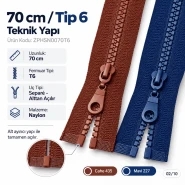
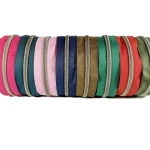
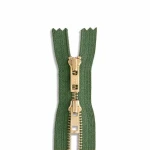
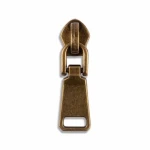
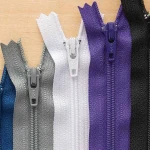
We produce zipper accessories custom to your brand, with logo pulls, custom shapes and a range of plating options.
Register and your discount coupon is added to your account right away.
Register and get 5% offI already have an accountSign in to see your coupons and use them in your cart with one tap.
Sign inI don't have an accountRegister with the same email and the code also appears in your account, ready to add to your cart in one tap.
RegisterI already have an account


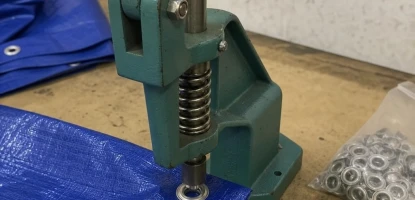
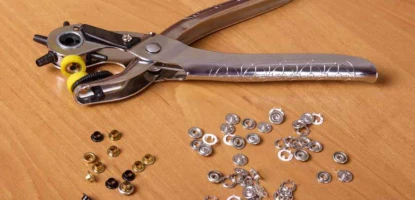
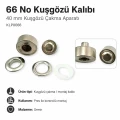
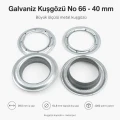
This Eyelet Punching Die prepares material holes before installing compatible large grommets in the 40 mm / 1.57 in inner diameter group. It is used on tarpaulins, tents, curtains, awnings, banners, vinyl prints, technical textiles, leather and reinforced fabrics.
The die performs the hole-preparation stage only. It does not set the eyelet or washer. Use a separate Eyelet Setting Die for final grommet installation.




E-Buttons produces custom accessories tailored to the needs of companies and brands. Size, shape, color and finish details can be planned individually based on a physical sample, a technical drawing, or your specific requirements.
Products prepared with your brand's own logo, text, color and surface finishes offer solutions that meet both your aesthetic and functional needs.
We produce zipper accessories custom to your brand, with logo pulls, custom shapes and a range of plating options.
We produce logo-branded, custom snap buttons in both press-on and sew-on options.
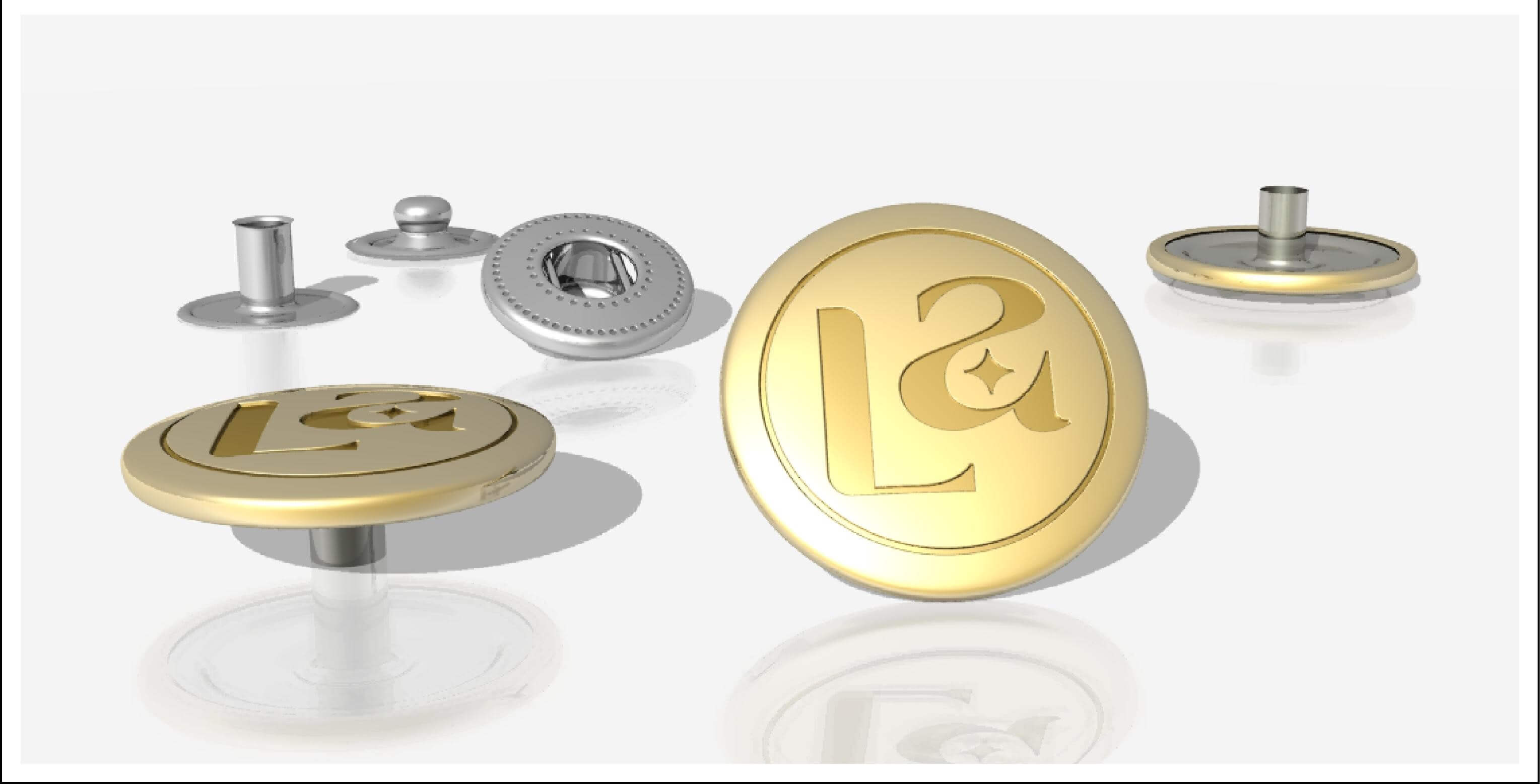
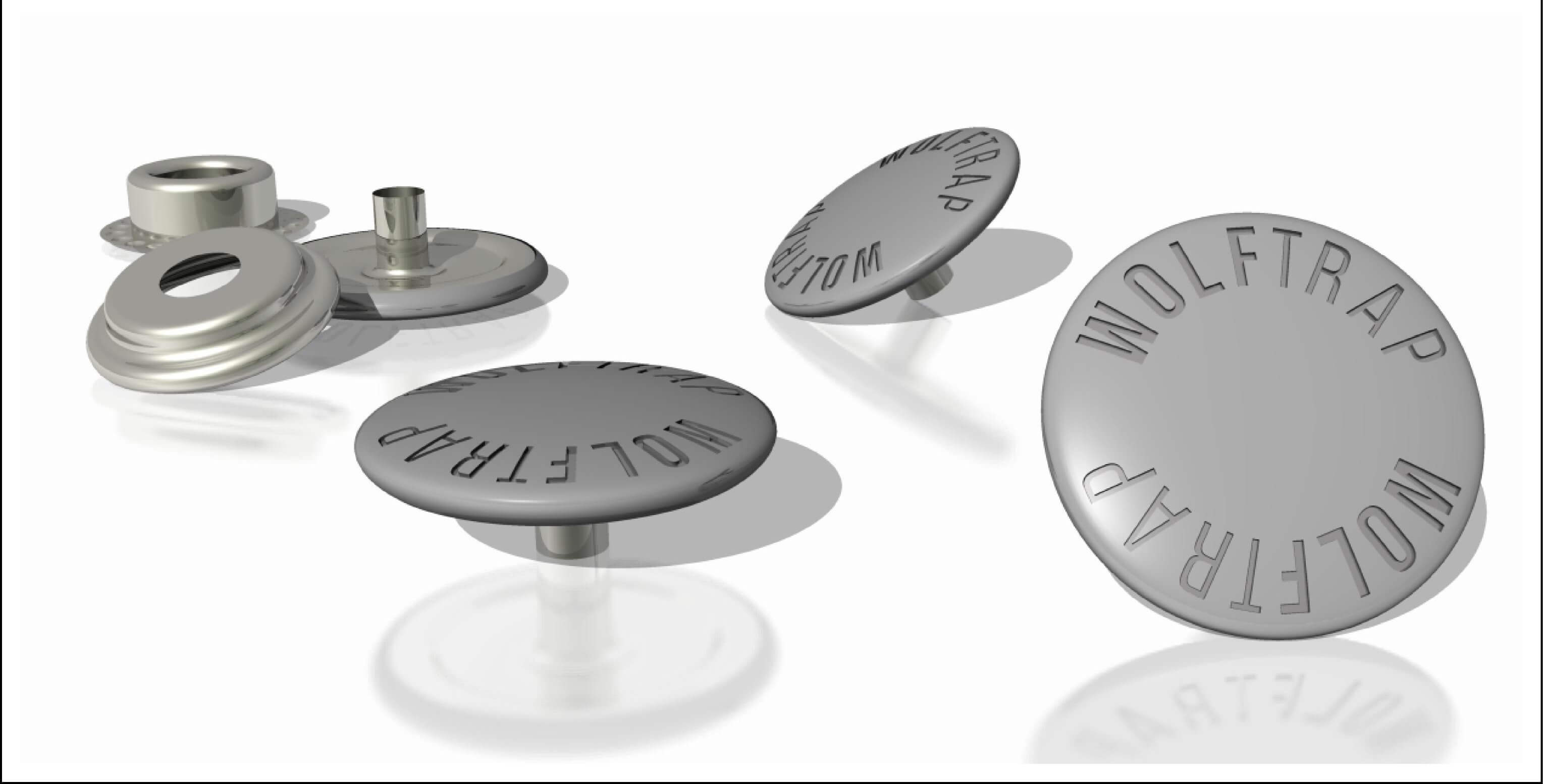
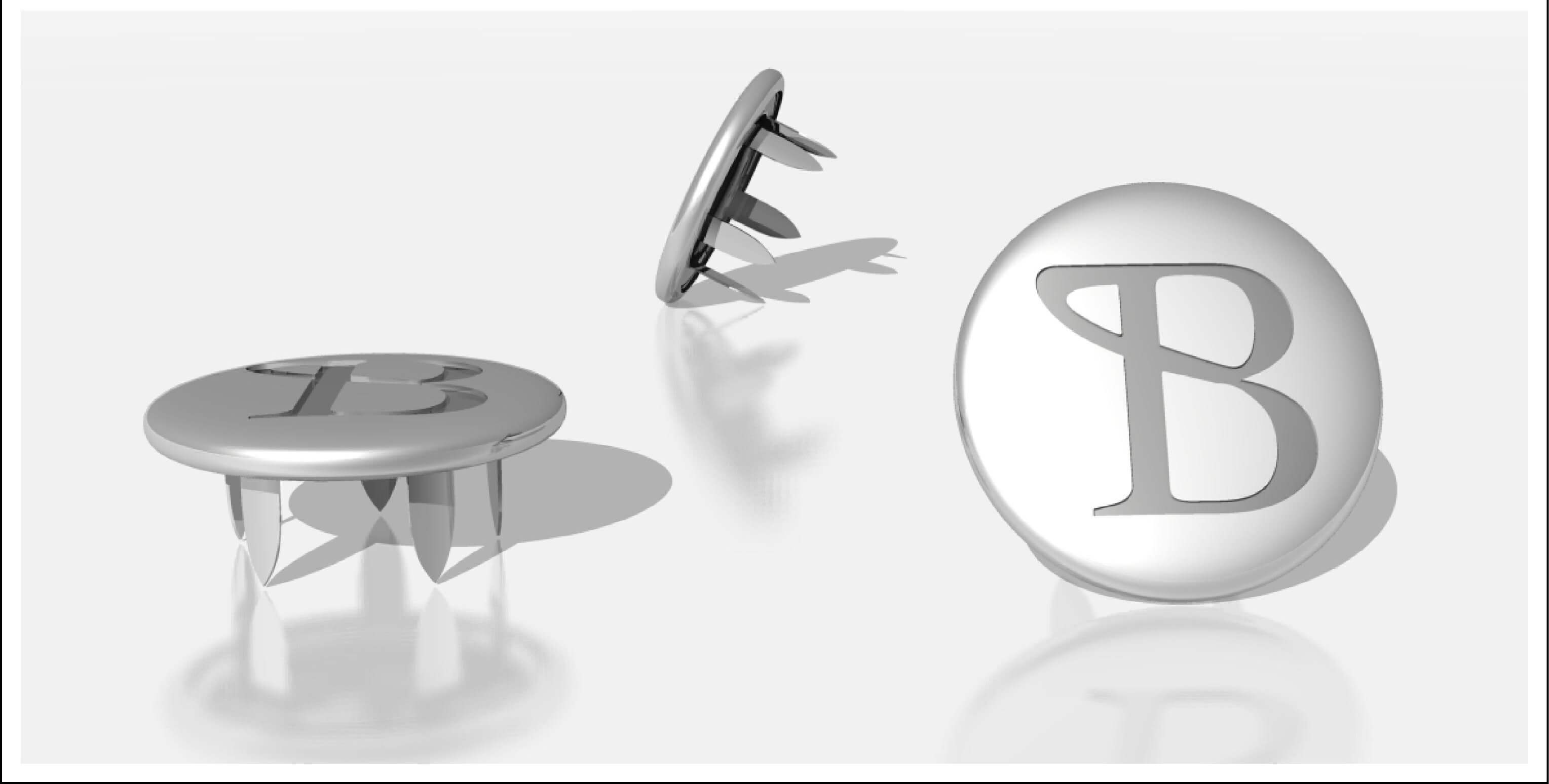
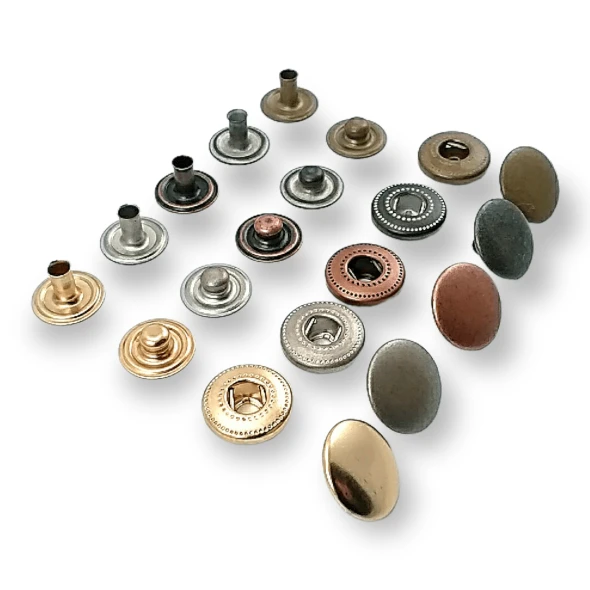
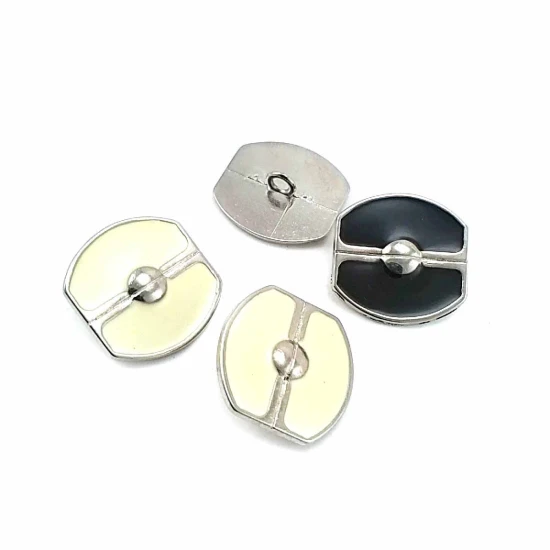
For both shank and sew-through button groups, production is available with your brand's logo, pattern and surface finish.
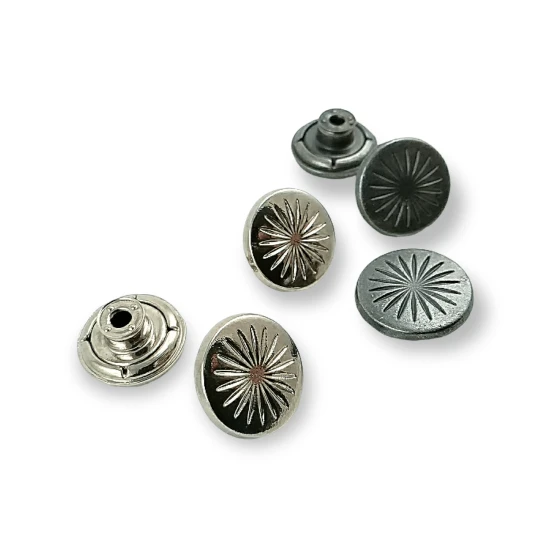
We offer logo-branded jeans buttons custom to your brand, made from zamak and brass.
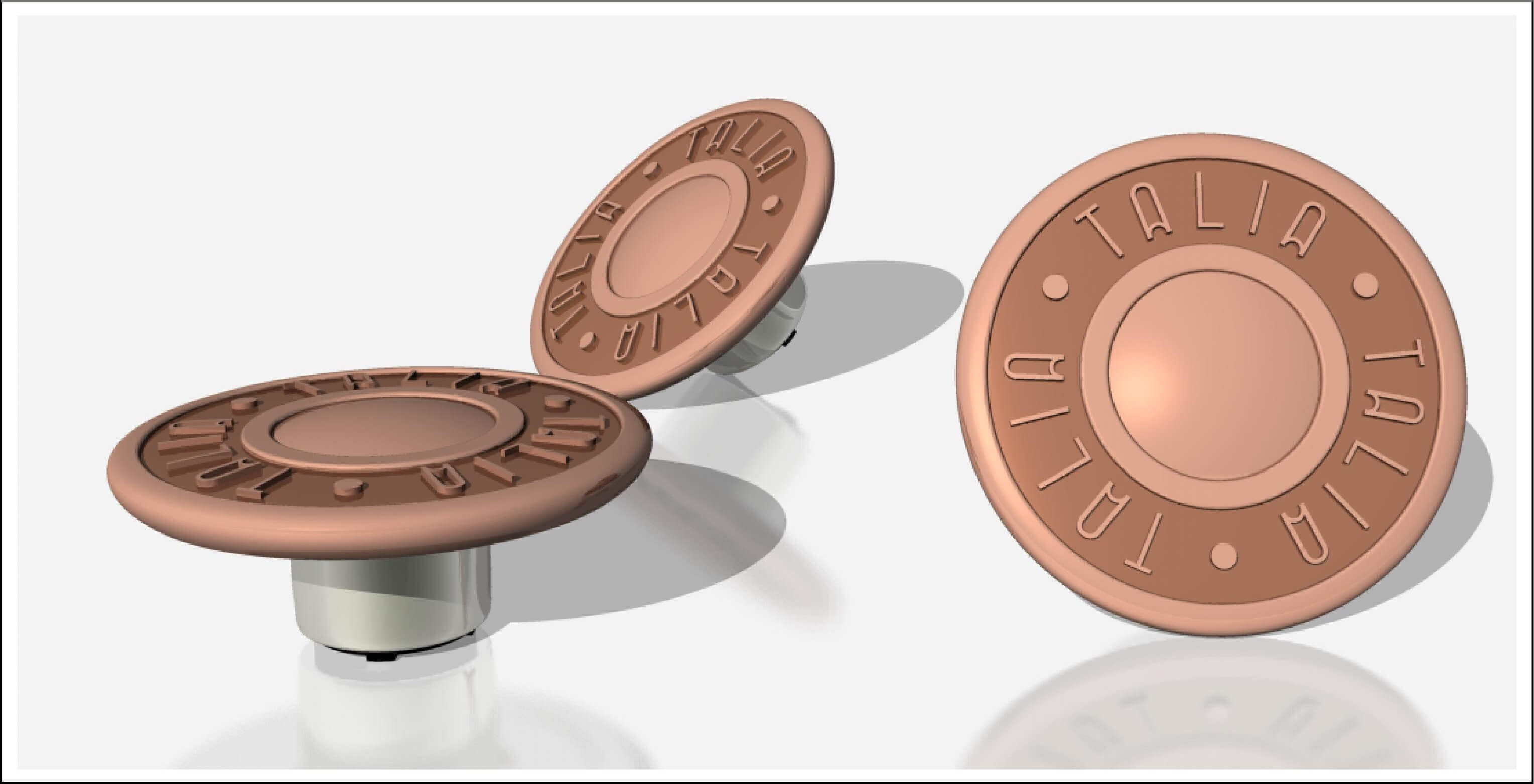
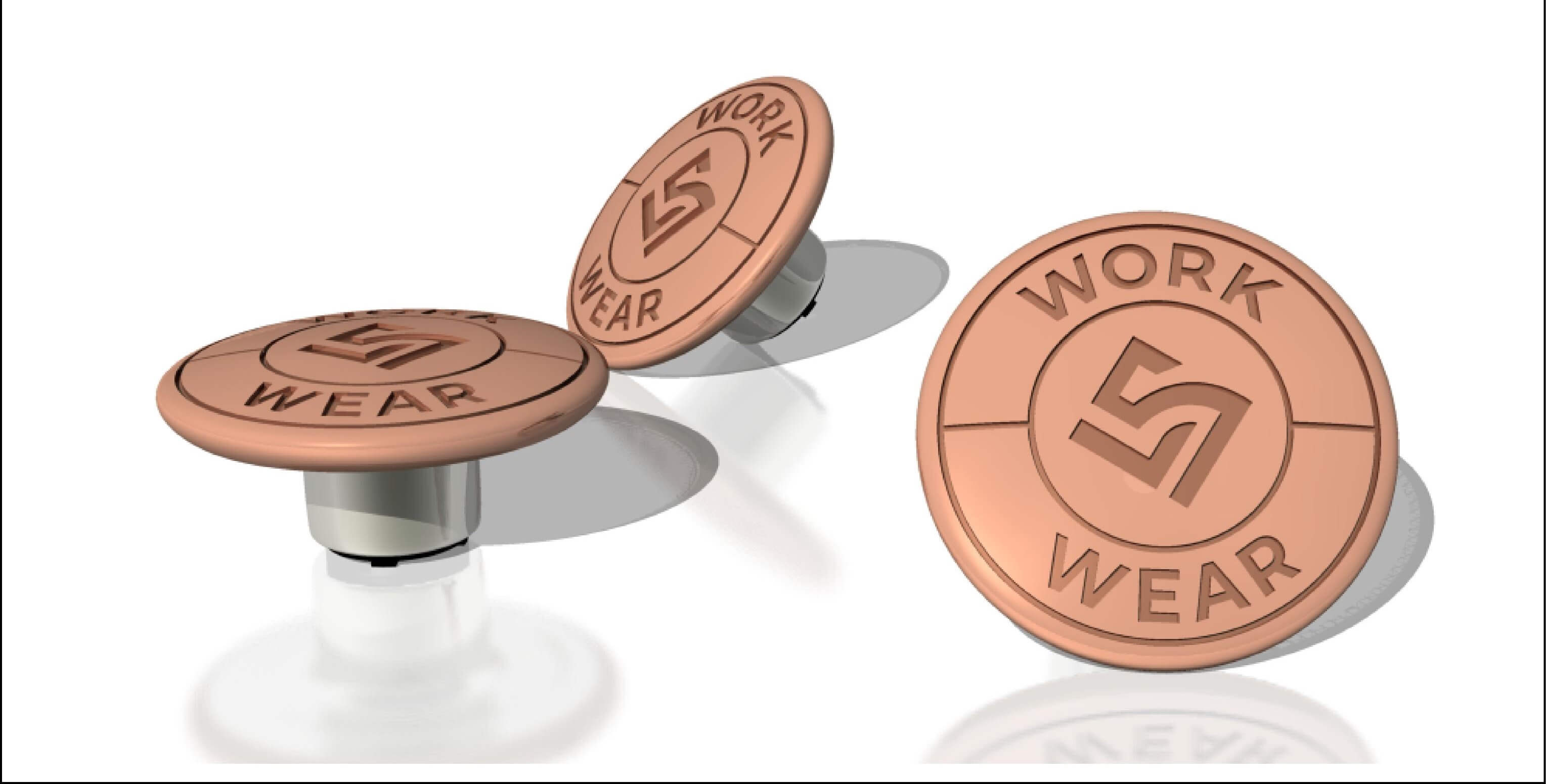
We produce branded, logo-marked rivets in a range of plating options, custom to your company.
Custom eyelets and grommets can be produced for your brand in a range of sizes, colors and surface finishes.
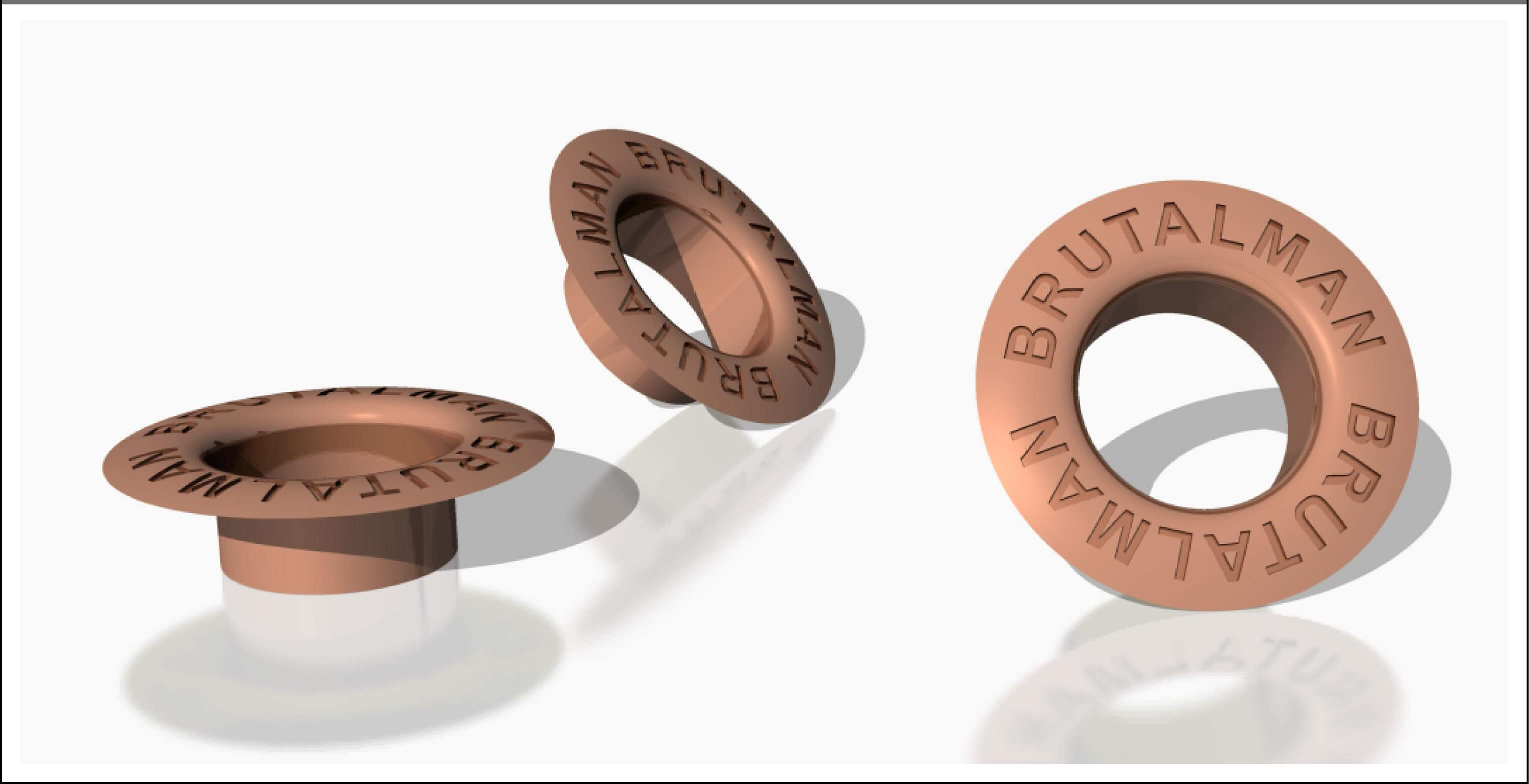
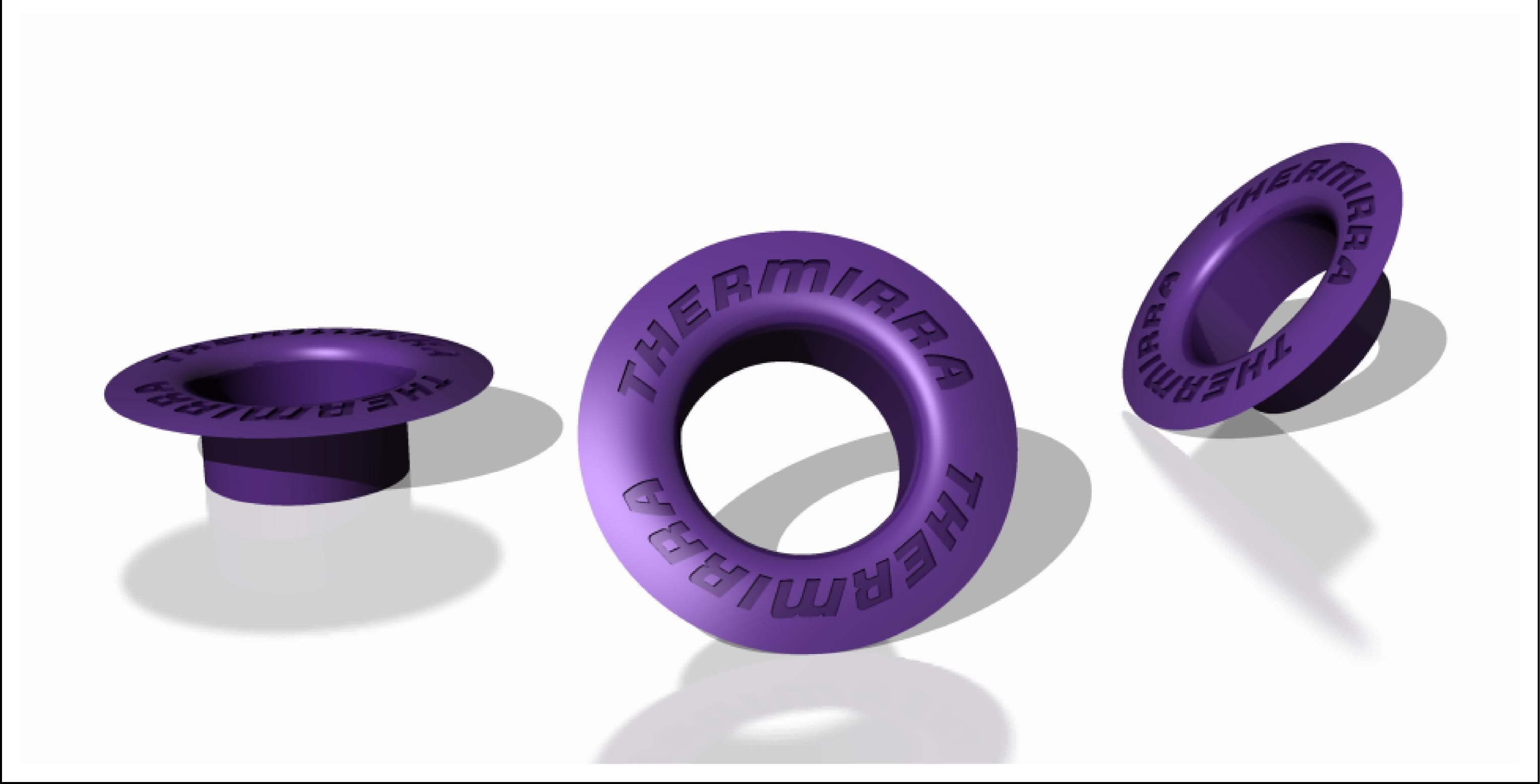
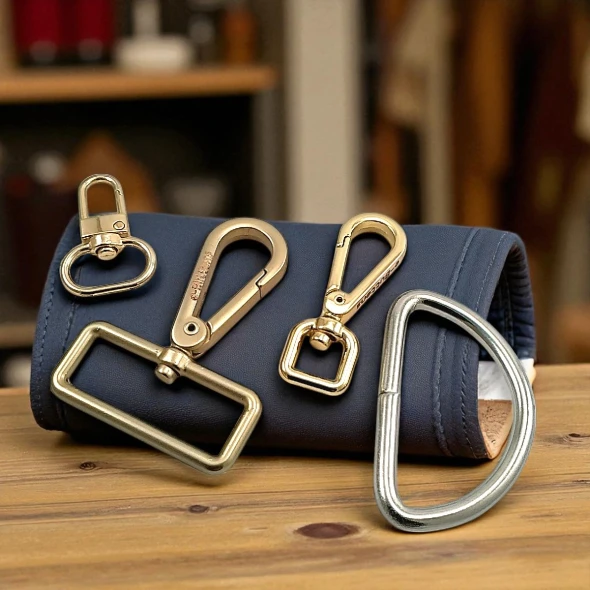
We offer buckle production in custom sizes and designs for your brand, for bra straps, belts and other applications.
Within our textile accessory groups, we provide custom production solutions that match your brand's design language.
For apparel, jewelry and accessory groups, we produce custom labels, ribbons and appliqués with your logo and text.
Before production begins, electronic mockups and sample work can be provided, depending on your request, to help with the approval process. Production and delivery times are planned according to the product group and the finish details involved.
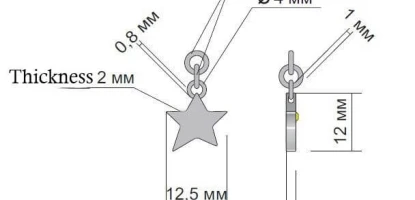
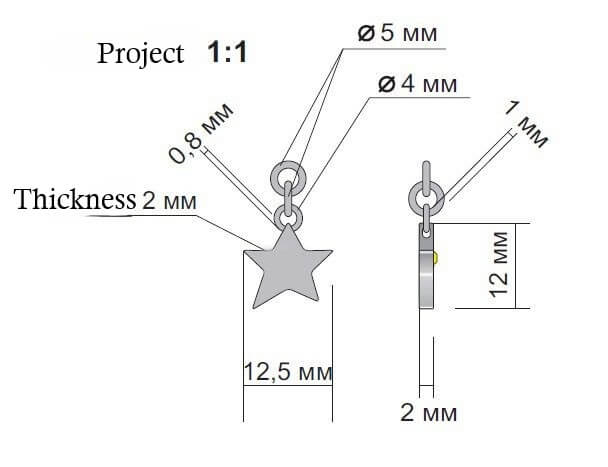
Sample drawings showing product materials, dimensions and finish details can be prepared upon request.
 Not sure about the size?Ask before you order — we'll help you pick the right size and matching setting tool.We're online · Mon–Fri 09:00–18:00, Sat 09:00–13:00 (GMT+3)Ask on WhatsApp☎ +90 530 520 40 09Get a bulk quote →★ 4.6 customer rating · 2,100+ orders · office & store in Istanbul