Zipper Parts and Accessories: Choosing a Compatible Slider
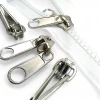
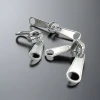
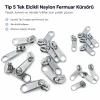
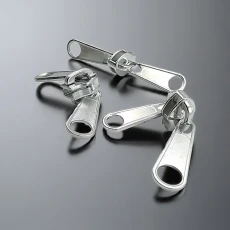
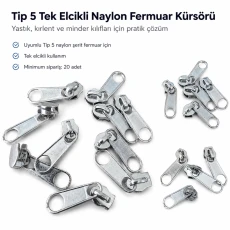
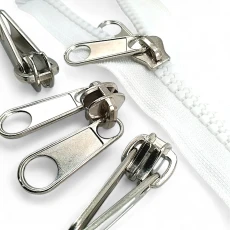
A zipper slider is the moving component that guides matching zipper elements into or out of engagement. Replacing a slider can be useful for repairing an existing closure or preparing zipper-chain assemblies for a production project. At E-Düğme, this category brings together single-pull and double-pull slider models associated with nylon coil zippers and molded-tooth zippers. They are not universally interchangeable. The zipper chain construction, the slider's channel geometry, size designation, pull arrangement and intended application must be considered before ordering.
When comparing zipper parts, begin with the actual zipper already sewn into the item or the zipper chain selected for production. A slider that appears similar in a photograph may have a different internal profile. The right match is determined by function and physical fit, not by finish color, the number on a model label, or the shape of the pull tab alone. Test-fitting a sample protects the zipper tape and helps avoid rework during assembly.
Know Your Zipper Construction Before Selecting a Part
Nylon coil zippers use continuous coil-style fastening elements sewn to zipper tape. A coil slider is shaped to guide that particular element structure. Molded-tooth zippers use individually formed teeth and require a slider designed for their tooth geometry. These categories should not be substituted for one another simply because their nominal sizes appear close. A metal-tooth zipper is another separate construction and must be checked independently; do not assume the slider in this category fits a metal-tooth chain.
Check how the zipper behaves when closed, whether the tape and teeth are still intact, and whether the slider is missing, loose, bent or jammed. A defective chain, broken tooth, detached tape or damaged stop can require more than a slider replacement. If the original part has no clear specification, keep a physical sample and compare its channel, contact surfaces and pull design with the proposed replacement.
Available Slider Families and Model Comparison
The active product records in this category include the following groups. Their names identify the listed family, not a blanket claim that every zipper with a similar number will fit. Follow the product link to check the currently offered option, package and technical description.
Single-Pull vs. Double-Pull Zipper Sliders
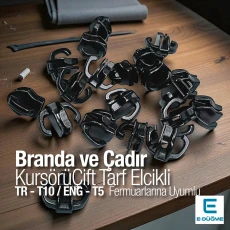
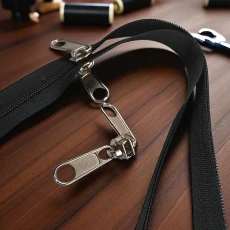
A single-pull slider is operated from its designed pull side. A double-pull slider has accessible pull components on two faces and can be useful where the zipper must be reached from either side of an item. This does not, by itself, make a zipper two-way, separating, reversible, waterproof or suitable for a particular load. Those characteristics depend on the entire zipper assembly and application. Check the direction of use, the position of the zipper opening and the exact slider construction before selecting a pull configuration.
For a cushion cover, the priority may be a compact, unobtrusive slider that works with the sewn zipper chain. For a tent flap, luggage opening or protective cover, accessibility and chain suitability may both matter. In each case, the supplied sample should travel smoothly along the intended tape without skipping teeth, leaving gaps or requiring excessive force.
Size Labels: Avoid Buying by Number Alone
Names such as N3, N5, Type 9, Type 10 and Type 20 identify product families within particular naming conventions. They should not be treated as universal measurements or as proof of cross-brand compatibility. Check the item-specific specifications, the coil or molded-tooth profile, and the relevant measurements in millimeters and inches where the listing provides them. A label that happens to contain the same number as another item can still describe a different internal slider channel.
When a replacement is required, compare a sample of the complete zipper and original slider if available. Check the orientation of the zipper elements, the space between the tapes and how the slider engages the chain. Avoid forcing an apparent near-match through the teeth, as the resulting damage can make the original zipper more difficult to repair.
Repair Projects: Determine What Actually Needs Replacing
Before removing a component, inspect the zipper along its full length. If the chain is intact but the pull has broken, the repair may differ from a situation where the slider body is worn or the teeth no longer meet. The placement of top and bottom stops, the ability to remove the slider without damaging the material, and whether the zipper is sewn into a seam all influence the repair approach. An experienced repair professional may be needed when removing or resetting stops could damage the fabric.
Do not assume that a replacement slider will fix teeth that are missing, separated from the tape or heavily distorted. In those cases, repairing or replacing the zipper chain may be the appropriate solution. The zippers category provides a broader starting point when an entire zipper assembly is needed rather than one moving component.
Production Checklist: From Sample Approval to Repeat Orders
- Record the zipper element construction: nylon coil, molded tooth or another verified type.
- Record the selected slider model and the matching zipper chain used in the test.
- Confirm access requirements: single-pull or double-pull operation.
- Check the zipper tape, teeth and stops before making adjustments.
- Assemble one physical sample on the actual fabric or finished item.
- Open and close the sample repeatedly to check movement and proper engagement.
- Confirm finish, package quantity, current availability and commercial terms on the live product page.
- Keep a reference sample or production note for repeat purchasing; do not rely on visual memory.
For workshops and production teams, keep a small parts record that links the zipper chain and its confirmed slider model. This can reduce order errors when several visually similar coils or molded-tooth styles are used in the same collection. A specific fit tested on one chain should not automatically be extended to other zipper manufacturers or production batches without checking.
Material, Finish and Application Surface
A slider's visible finish contributes to the finished product, but cosmetic appearance should be assessed only after functional compatibility. Compare samples under consistent lighting if the color must match other bag or garment hardware. The presence of a metal slider body does not establish a specific alloy grade, coating durability or corrosion-resistance rating. Use the model's verified specifications for any material or performance claim.
Consider the product's actual environment. Outdoor covers may face dirt, moisture or repeated handling; cushion covers may be opened primarily for cleaning. In both cases the correct zipper-chain match remains essential. An accessory cannot compensate for incorrect zipper sewing, damaged tape or an unsuitable overall zipper design.
Frequently Asked Questions
Can I use a Type 10 slider on any zipper described as size 10?
No. The numeral alone does not establish compatibility. Check the chain construction and the exact model against the physical zipper.
What is the difference between a coil slider and a molded-tooth slider?
They are designed to guide different fastening-element shapes. Do not assume that the two slider constructions can be swapped.
Does a double-pull slider make a zipper two-way?
No. Two accessible pull tabs are not the same as a two-slider or separating zipper system. The entire assembly must be checked.
Which slider is listed for pillow and cushion covers?
The N3 single-pull nylon coil model EKRSTT5 is listed for those applications. Compatibility with an existing zipper must still be verified.
Can a new slider repair a zipper with damaged teeth?
Not necessarily. Broken or damaged teeth and tape can require repair or replacement of the zipper assembly, not just the slider.
Should I check the zipper stops before replacing the slider?
Yes. Stops and access to the chain can determine how a replacement is installed without damaging the zipper or fabric.
Do slider listings include the zipper chain?
Do not assume so. Review each live product page for what is included, the unit of sale and any selectable options.
Is matching the finish color enough to choose a slider?
No. Functional fit and correct zipper construction take priority; finish color can be checked once a compatible model is identified.
Use the comparison table to narrow the group and continue to the matching product page for technical and purchasing details. When compatibility is uncertain, a physical sample is more reliable than choosing by a generic size label.