What Is a Water-Repellent Jacket Zipper?
A water-repellent jacket zipper is a zipper with a coated or protected surface designed to help reduce direct water entry through the zipper line. These zippers are commonly used in jackets, coats, parkas, rainwear, softshell garments, outdoor clothing, technical bags, equipment covers and selected textile accessories.
They may also be searched as water-resistant zippers, waterproof zippers, TPU-coated zippers, Aquaguard zippers or coated outdoor zippers. In practical product use, the zipper can help reduce water penetration at the zipper line, but it does not automatically make the entire finished garment, bag or technical product fully waterproof.
Overall water performance depends on the shell fabric, seam construction, needle holes, seam tape, lining, zipper flap, closure direction, zipper-end finishing and the complete product assembly. A water-repellent zipper should therefore be selected as one part of a complete weather-protection design.
For all outerwear zipper constructions, browse Jacket Zippers. For the full category range, see Water-Repellent Jacket Zippers.
Where Are Water-Repellent Zippers Used?
Water-repellent zipper constructions are useful when the zipper line may be exposed to rain, moisture, splashes or outdoor conditions. The final zipper selection should always match the product’s actual construction and intended use.
- Jackets and coats: For front closures on seasonal jackets, technical outerwear and weather-exposed garments.
- Parkas and long coats: For longer front openings that benefit from reduced direct water entry along the zipper line.
- Rainwear and softshell garments: For outerwear where the zipper surface is exposed to rain, wind and changing conditions.
- Outdoor garments: For hiking jackets, camping clothing, cycling outerwear, fishing garments and active outdoor products.
- Bags and cases: For sports bags, equipment bags, travel accessories, storage cases and weather-exposed compartments.
- Technical textile products: For protective covers, equipment pouches, transport cases and specialised textile construction.
Does a Water-Repellent Zipper Make the Entire Product Waterproof?
No. A water-repellent zipper can help reduce direct water entry through the zipper line, but the complete product may still allow water through seams, stitching holes, unsealed fabric edges, zipper ends or other construction points.
For genuinely high water-protection performance, the zipper must be considered together with water-resistant or waterproof fabric, seam sealing, construction details, flap design, lining and the intended exposure level. A coated zipper is a useful component, but it is not a complete waterproofing system by itself.
Open-End, Close-End and Two-Way Water-Repellent Zippers
The zipper end type is one of the most important factors when choosing a water-repellent zipper. The same coated zipper construction may be available in different end types, each designed for a different function.
| Zipper End Type | Typical Applications | Main Function |
|---|
| Open-End / Separating | Jackets, coats, parkas, rainwear, vests and front-opening outerwear | Allows both zipper tapes to detach completely at the lower end. |
| Close-End | Pockets, bags, pouches, organizers, technical cases and fixed closure areas | The lower end remains connected and the zipper does not separate fully. |
| Two-Way / Dual Slider | Parkas, long coats, softshell jackets, hooded outerwear and technical garments | Provides standard upper opening plus controlled lower opening for sitting, movement and access. |
| Combi Zipper | Long outerwear, parkas, coats and garment designs that need lower-opening flexibility | Uses a secondary slider to create controlled adjustment at the lower section. |
Open-End Water-Repellent Jacket Zippers
Open-end separating water-repellent zippers are used when the front of a jacket, coat, parka, vest or rainwear garment must open completely. The lower end has a starter box and insertion pin, allowing the two zipper tapes to detach when fully opened.
This construction is required for front-opening outerwear. A close-end zipper cannot replace an open-end zipper for a jacket front because its lower end remains permanently connected.
The 100 cm / 39.37 in Aquaguard Nylon Water-Repellent Jacket Zipper – Open End / Separating is suitable for long coats, parkas and outerwear products with extended front closure lines. The category also includes shorter open-end options for different jacket and outerwear lengths.
Close-End Water-Repellent Zippers
Close-end water-repellent zippers are suitable for fixed closure areas where the zipper tapes should remain connected at the lower end. Typical uses include jacket pockets, bag compartments, pouches, organisers, protective cases and certain short technical-textile closures.
A close-end zipper should not be used for the front of a jacket or coat that needs to open fully. For that purpose, use an open-end separating zipper instead.
The 20 cm / 7.90 in Aquaguard Nylon Water-Repellent Jacket Zipper – Close End is an example of a short fixed-end option for compatible pocket, bag, accessory and technical closure applications.
Two-Way and Combi Water-Repellent Zippers
Two-way and combi zipper systems use two sliders to offer more flexible opening control. They are especially useful in parkas, long coats, softshell jackets, hooded outerwear and technical garments where lower-opening adjustment improves sitting comfort, walking movement or access to inner layers.
The main slider closes the garment from the top as usual. The secondary slider can open the lower section when needed. This can be useful in longer garments where a fully fixed lower hem would restrict movement.
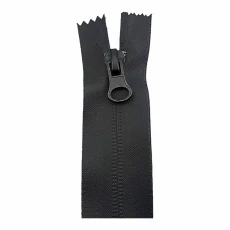
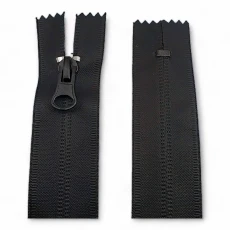
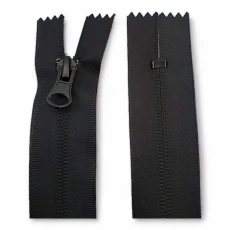
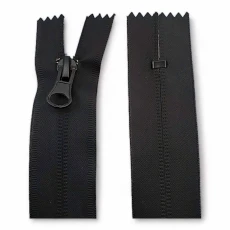
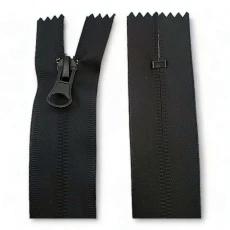
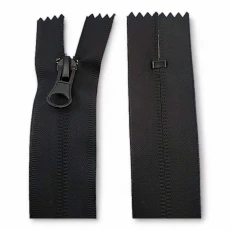
The 72 cm / 28.35 in N5 / #5 TPU-Coated Water-Resistant Combi Zipper is designed for parkas, long coats, softshell jackets, hooded outerwear and technical apparel that need a stable front closure with adjustable lower-hem comfort.
How to Choose Water-Repellent Zipper Length
Choose zipper length according to the actual closure line, not the total length of the garment or bag. When replacing an existing zipper, close it and measure from the top stop to the bottom separating component or bottom stop. For a new garment, measure the zipper placement line in the pattern and include construction allowances.
| Length Direction | Typical Applications | What to Check |
|---|
| Short Lengths | Pockets, bags, pouches, organisers, cases and short garment closures | Whether a close-end construction is required and how much opening access is needed |
| Medium Lengths | Jackets, vests, shorter rainwear, casual outerwear and technical upper garments | Actual front closure measurement, fabric thickness and intended opening movement |
| Long Lengths | Parkas, coats, long jackets, extended rainwear and long outerwear fronts | Comfort while sitting, walking and whether a two-way or combi zipper is required |
A zipper that is too short can leave the opening incomplete or reduce wearability. A zipper that is too long can create fitting problems at the neckline, hem or lower front construction. Test the selected length against the actual pattern before production.
How to Choose the Correct Zipper Construction
Water-repellent zippers in this category include coated nylon constructions and TPU-coated water-resistant zipper options. The correct choice depends on garment type, zipper line length, intended exposure to rain, required flexibility, slider arrangement and the visual design of the product.
| Construction Type | General Direction | What to Consider |
|---|
| Aquaguard-Style Nylon Water-Repellent Zipper | Jackets, coats, rainwear, pockets, bags and technical textile closures | End type, length, tape construction, garment fabric and zipper-line exposure |
| TPU-Coated Water-Resistant Combi Zipper | Parkas, long coats, softshell jackets and technical outerwear with lower-opening adjustment | Two-slider use, lower-hem movement, garment length and zipper placement |
| Open-End Water-Repellent Zipper | Jackets, parkas, coats, rainwear, vests and front-opening outerwear | Starter box, insertion pin, correct length and compatible front seam construction |
| Close-End Water-Repellent Zipper | Pockets, bags, pouches, cases, organisers and fixed closure areas | Required opening length, seam placement and slider accessibility |
Water-Repellent Zipper vs. Standard Nylon Coil Zipper
A standard nylon coil zipper is designed for general garment and accessory closure applications. A water-repellent zipper adds a coated or protected surface intended to help reduce water entry along the zipper line.
Choose a standard nylon zipper when flexibility, lighter construction and general closure use are the main priorities. Choose a water-repellent zipper when the zipper line will be exposed to rain, splash, moisture or technical outdoor conditions and the product benefits from added surface protection.
Water-Repellent Zipper vs. Molded Plastic Zipper
Molded plastic zippers have more visible, structured teeth and are often selected when the zipper should create a stronger outerwear appearance. Water-repellent zippers focus on reducing direct water entry through the zipper line.
The correct choice depends on the main requirement. For a visible structured tooth effect, a molded plastic zipper may be suitable. For rainwear, technical jackets, softshell garments and weather-exposed outerwear, a coated water-repellent zipper can be more appropriate.
Why Slider Type Matters
The slider controls how the zipper opens and closes. Single-slider zippers are often used for standard front closures, pockets and accessory compartments. Two-way or combi systems offer greater flexibility for long garments and products requiring lower-opening access.
Choose a slider configuration according to the actual product use. A two-way system can be valuable on a long parka, while it may be unnecessary for a short pocket, bag compartment or compact technical pouch.
How to Sew a Water-Repellent Zipper
Coated zippers should be installed carefully so that the zipper tape is not unnecessarily stretched, twisted or forced into a curved seam line that does not suit the construction. Uneven installation can affect the appearance of the coated surface and make slider movement less smooth.
- Mark the closure line on the pattern before sewing.
- Place the zipper tape evenly without over-stretching it.
- Check slider travel before final stitching.
- Confirm the direction of the starter box and insertion pin on open-end zippers.
- Plan lower-end finishing according to garment load and intended use.
- Test the zipper on the actual shell fabric, lining and seam construction before bulk production.
Common Mistakes When Choosing Water-Repellent Zippers
- Assuming that a coated zipper makes the entire garment or bag waterproof.
- Using a close-end zipper for a jacket or coat front that must open fully.
- Choosing zipper length from total garment length instead of the actual closure line.
- Using a two-way or combi zipper where the product does not need lower-opening adjustment.
- Selecting zipper construction without considering fabric thickness and intended exposure to weather.
- Stretching or forcing the coated zipper tape during installation.
- Ignoring slider access, lower-hem movement and garment construction.
- Starting production without testing the zipper on the actual fabric and seam structure.
Related Categories and Products
- Zippers – Browse zipper families by application, construction and end type.
- Jacket Zippers – Compare zipper options for jackets, coats, parkas, hoodies, vests and outerwear.
- Water-Repellent Jacket Zippers – Explore close-end, open-end and dual-slider coated zipper options.
- 72 cm / 28.35 in N5 / #5 TPU-Coated Water-Resistant Combi Zipper – For parkas, long coats, softshell jackets, hooded outerwear and technical apparel.
- 100 cm / 39.37 in Aquaguard Nylon Water-Repellent Jacket Zipper – Open End / Separating – For long coats, parkas and long front-opening outerwear.
- 20 cm / 7.90 in Aquaguard Nylon Water-Repellent Jacket Zipper – Close End – For pockets, pouches, bags, cases and compatible fixed closure areas.
Frequently Asked Questions
What is a water-repellent jacket zipper?
A water-repellent jacket zipper is a coated zipper designed to help reduce direct water entry through the zipper line. It can be used in jackets, parkas, rainwear, softshell garments, bags and technical textile products.
Does a water-repellent zipper make a jacket waterproof?
No. The zipper can help reduce direct water entry along the zipper line, but full waterproof performance also depends on the fabric, seams, needle holes, seam tape, lining and complete garment construction.
Should I choose an open-end or close-end water-repellent zipper for a jacket?
Choose an open-end separating zipper for a jacket, coat, parka or vest front that needs to open fully. Choose a close-end zipper for pockets, bags, pouches, cases and other fixed closure areas.
What is a two-way or combi water-repellent zipper?
A two-way or combi zipper has two sliders. The main slider closes the garment normally, while the secondary slider can open the lower section for improved movement, sitting comfort or access.
Which products benefit from a two-way water-repellent zipper?
Two-way or combi zippers are useful for long coats, parkas, softshell jackets, hooded outerwear and technical garments where lower-hem adjustment improves comfort and mobility.
How do I measure a water-repellent zipper?
Close the zipper and measure from the top stop to the bottom separating component or lower stop. For a new product, measure the actual zipper placement line in the pattern rather than the total garment length.
Can water-repellent zippers be used in bags?
Yes. They can be suitable for sports bags, outdoor bags, pouches, equipment covers, cases and technical compartments when the zipper length, end type, slider system and expected load match the product.
Can I sew a water-repellent zipper like a standard zipper?
Installation principles are similar, but coated zipper tape should not be unnecessarily stretched, twisted or forced into an unsuitable seam line. Test the zipper on the final fabric and lining before production.


-no5-k0010%20(3).jpg-590x590.webp "Eyelets and Grommets")
.jpg-590x590.webp "Rivets")
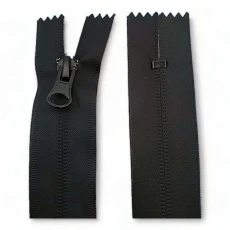
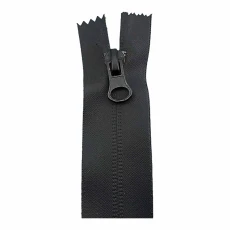
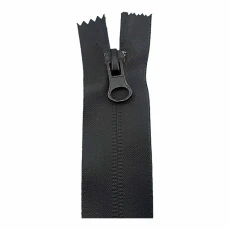
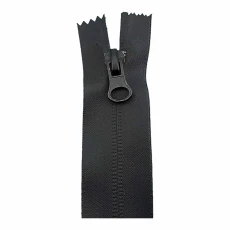
.png-230x230.webp "67 cm / 26.38 in N5 / #5 TPU-Coated Water-Resistant Two-Way Zipper ENC0067SG")
.png-230x230.webp "69 cm / 27.17 in N5 / #5 TPU-Coated Water-Resistant Combi Zipper ENC0069SG")
.png-230x230.webp "70 cm / 27.56 in N5 / #5 TPU-Coated Water-Resistant Combi Zipper ENC0070SG")