What Is Bra Elastic?
Bra elastic is a stretch textile band used to provide adjustment, recovery, edge control, connection or support in bras and related lingerie. Depending on its structure, it may be applied to shoulder straps, underbands, back bands, underarm edges, necklines, underwear waists, leg openings or elastic bindings.
Bra elastic is not one single product type. A narrow satin shoulder strap performs a different task from a wider underband elastic used below the bust. Picot-edge elastic, fold-over elastic and decorative straps also require different sewing and compatibility checks.
The E-Düğme category is structured to accommodate different widths, colours, surfaces and lingerie-elastic models as the range expands. Current availability and verified technical details must be checked on the individual product page.
Types of Bra and Lingerie Elastic
| Elastic Group |
Main Application |
Specification to Check |
| Bra strap elastic |
Elastic and adjustable shoulder straps |
Width, thickness, shoulder contact and slider passage |
| Matte strap elastic |
Low-sheen and understated strap designs |
Surface friction, colour and movement through hardware |
| Satin strap elastic |
Smooth and glossy lingerie straps |
Face direction, sewing orientation and slipping |
| Patterned or jacquard elastic |
Visible and decorative lingerie designs |
Pattern direction, repeat and colour coordination |
| Tubular or rounded strap |
Fine, cord-like shoulder straps |
Outside diameter, internal structure and attachment method |
| Split or double strap |
Multi-line or decorative strap systems |
Joint construction and distribution between strap lines |
| Wide or cushioned strap |
Products requiring a wider shoulder-contact area |
Width, padding, pattern and seam structure |
| Bra underband elastic |
Elastic support around the underbust and back |
Width, extension force, recovery and skin contact |
| Underarm or neckline elastic |
Controlled fit around lingerie edges |
Softness, edge pressure and sewing tension |
| Picot or scallop-edge elastic |
Decorative toothed edging with elastic control |
Visible-edge direction and application tension |
| Fold-over lingerie elastic |
Wraps and finishes both sides of a fabric edge |
Total width, fold line and finished binding width |
| Clear elastic tape |
Less visible straps or internal reinforcement |
Material, thickness, stretch and skin contact |
Not every construction is continuously available. The category may expand as new widths, surfaces and elastic types are added.
Which Bra Elastic Should Be Selected?
| Production Requirement |
Elastic to Consider |
Selection Priority |
| Standard adjustable shoulder strap |
Matte or satin strap elastic |
Elastic width, thickness and clear slider passage |
| Fine and delicate strap appearance |
Narrow strap elastic or tubular strap |
Required support and shoulder comfort |
| Wider shoulder-contact area |
Wide or cushioned strap elastic |
Garment pattern, strap width and hardware system |
| Sports bra or supportive bralette |
Wide strap and compatible underband elastic |
Extension force, recovery and completed-sample testing |
| Underbust and back section |
Bra underband elastic |
Band width, inner surface, pressure and seam construction |
| Underarm or neckline edge |
Soft edge elastic or picot elastic |
Skin contact and controlled edge fit |
| Underwear waist or leg opening |
Picot, scallop or fold-over elastic |
Fabric thickness, tension and application direction |
| Decorative lingerie collection |
Patterned, jacquard, metallic or striped elastic |
Pattern repeat, surface and colour batch |
| Swimwear production |
Elastic with product-specific wet-use verification |
Chlorine, saltwater, sunlight and recovery testing |
How Should Bra Strap Widths Be Evaluated?
Bra strap elastic may be produced in multiple widths according to garment design and manufacturer series. Use the verified metric and imperial width shown on each product page.
| Strap Width |
General Application Logic |
Compatibility Check |
| 6–8 mm / 0.24–0.31 in |
Fine straps, lightweight lingerie and decorative applications |
Test with narrow rings and strap sliders. |
| 9–10 mm / 0.35–0.39 in |
Common bra, bralette, camisole and nightwear straps |
Check thickness and controlled movement inside the slider. |
| 11–12 mm / 0.43–0.47 in |
Medium-width straps and more visible connections |
Test with compatible rings, hooks and sliders. |
| 13–15 mm / 0.51–0.59 in |
Wider straps, bustiers, corsetry and decorative designs |
Check the relationship between strap width and garment pattern. |
| 16–18 mm / 0.63–0.71 in |
Straps requiring a wider contact or support area |
Evaluate hardware, seam allowance and shoulder comfort together. |
| 19–20 mm / 0.75–0.79 in |
Wide straps, sports bras and supportive lingerie |
Test extension force and pattern construction, not width alone. |
| Above 20 mm / 0.79 in |
Special support straps, sports products and wide elastic sections |
Confirm whether the product is a strap, underband or technical elastic. |
A wider elastic is not automatically stronger or more supportive. Construction, thickness, extension force, recovery, sewing and garment pattern all influence performance.
Matte, Satin and Decorative Strap Surfaces
| Surface Structure |
Appearance and Application |
Specification to Check |
| Matte surface |
Low-sheen and understated appearance |
Friction inside the slider and skin contact |
| Satin surface |
Smooth, glossy and decorative face |
Face direction and slipping through hardware |
| Soft or plush backing |
May provide a softer skin-contact surface. |
Completed-sample comfort and surface after washing |
| Ribbed surface |
Longitudinal lines or channelled texture |
Rib direction and slider movement |
| Jacquard or patterned surface |
Motif or lettering formed during production |
Pattern repeat at cutting points |
| Metallic-yarn surface |
Decorative shimmer or metallic appearance |
Skin contact and abrasion behaviour |
| Picot or scalloped edge |
Decorative toothed edge construction |
Correct visible-edge direction |
Bra Strap Elastic and Underband Elastic Compared
| Feature |
Bra Strap Elastic |
Bra Underband Elastic |
| Application area |
Shoulder straps and adjustable connections |
Underbust and back circumference |
| Main function |
Creates the shoulder connection and adjustable strap length. |
Helps the garment sit around the torso. |
| Common structure |
Narrow, matte, satin or decorative |
Wider, soft-backed or support-oriented |
| Related component |
Ring, hook and strap slider |
Hook-and-eye closure, side band and main fabric |
| Main selection risk |
Jamming or slipping inside the slider |
Excess pressure, rolling or insufficient recovery |
Strap elastic and underband elastic should not be treated as direct substitutes. Their extension force, width and intended position may differ.
Picot and Scallop-Edge Lingerie Elastic
Picot or scallop-edge elastic combines elastic edge control with a decorative toothed finish. It may be used around bra underarms, necklines, underwear waists and leg openings.
The visible decorative edge must be positioned correctly during sewing. The flat section should be attached with controlled and reasonably even tension throughout the seam.
Excessive tension may create rippling or excessive gathering. Insufficient tension may prevent the garment edge from fitting as intended.
What Is Fold-Over Lingerie Elastic?
Fold-over elastic wraps both the front and back of a fabric edge to create a clean elastic binding. It may be used on lingerie, bralettes, bodysuits, camisoles and product-specific swimwear edges.
The total width and finished width after folding are different measurements. A 20 mm / 0.79 in fold-over elastic may create a finished binding of approximately half that width, depending on its fold line and the thickness of the fabric.
Technical Features to Check
| Technical Feature |
Why It Matters |
Recommended Check |
| Relaxed width |
Determines hardware and sewing compatibility. |
Measure several points without stretching. |
| Elastic thickness |
Affects slider movement and folded-seam thickness. |
Measure without excessively compressing the elastic. |
| Stretch percentage |
Shows how far a defined length can extend. |
Extend a measured sample under controlled conditions. |
| Extension force |
Explains why elastics with similar extension can feel different. |
Compare equal lengths at the same extension. |
| Recovery |
Shows how closely the elastic returns to its initial length. |
Measure after repeated extension cycles. |
| Curling or rolling |
Affects whether the strap or band remains flat. |
Observe during extension and sample sewing. |
| Surface direction |
Affects appearance and comfort on satin, plush or decorative products. |
Identify the face and backing before sewing. |
| Roll length |
Determines sampling and production quantity. |
Use the verified package information on the product page. |
How to Select Compatible Rings, Hooks and Strap Sliders
An adjustable bra strap requires rings, hooks and strap sliders compatible with the actual elastic width and thickness. The critical dimension is the clear internal passage rather than the outside size of the hardware.
| Component |
Main Function |
Compatibility Check |
| Strap slider |
Helps shorten or lengthen the strap. |
Clear passage, centre bar and elastic thickness |
| Bra ring |
Connects the strap to the garment body. |
Clear opening, wire thickness and free movement |
| Bra hook |
Creates a detachable or open-close connection. |
Hook opening, connection security and elastic width |
| Two-piece hardware set |
Combines a ring and strap slider. |
Compatibility of both parts with the same elastic |
| Three-piece hardware set |
Combines ring, slider and hook functions. |
Measurement, material, finish and colour consistency |
Nominal size does not guarantee compatibility. Two sliders with the same stated width may have different clear passages because of wire thickness or centre-bar construction.
Review lingerie accessories and bra hardware and bra rings, hooks and strap sliders for compatible components.
How to Assemble an Adjustable Bra Strap
- Select the strap width according to the garment pattern and intended use.
- Measure the clear internal passage of the ring, hook and strap slider.
- Confirm that the elastic moves without jamming or uncontrolled slipping.
- Calculate the finished strap length and folded sewing allowances.
- Identify the face and backing of the elastic.
- Thread the elastic through the slider and ring in the required sequence.
- Secure the folded ends using a suitable sewing structure.
- Extend and release the strap repeatedly to check movement and recovery.
- Confirm that hardware edges and seams do not abrade the elastic.
Colours, Rolls and Custom Production
Depending on the product, bra elastics may be offered in black, white, beige, ecru, nude, grey, pink, red, burgundy, navy and other collection colours. Not every colour, width and roll format is continuously available.
Compare the main fabric, lace, elastic, rings, sliders, hooks, sewing thread and other visible trims together when colour accuracy is important.
Custom colours, non-standard widths, patterns, jacquard structures or special surfaces may require minimum production quantities, sample approval, colour tolerances and product-specific lead times.
Production planning should include finished elastic consumption, folded sewing allowances, sampling, cutting loss and quality-control allowance.
Real-World Applications
- Bra shoulder straps
- Bra underbands and back elastics
- Bralette and bustier straps
- Corsetry and supportive lingerie
- Camisoles, nightwear and fine-strap tops
- Underwear waists and leg openings
- Bodysuits and lingerie edge bindings
- Sports bras and wide support straps
- Swimwear approved through product-specific testing
- Lingerie repairs and replacement straps
Incorrect Selection and Application Warnings
- Do not select bra elastic by width alone.
- Test the actual elastic with the actual ring, hook and strap slider.
- Elastic that is too thick may jam inside a slider.
- Elastic that is too thin or smooth may slip during use.
- A wider elastic is not automatically stronger or more supportive.
- An excessively firm strap may create shoulder pressure.
- An overly soft elastic may not provide sufficient recovery.
- Do not reverse the face and backing of satin elastic.
- Incorrect picot orientation may hide the decorative edge.
- Do not confuse total fold-over width with finished binding width.
- Cut ends may unravel if they are not secured correctly.
- Do not assume fibre composition from appearance.
- Do not apply chlorine, saltwater, sunlight, heat or machine-wash suitability to the whole category.
- Do not treat photographed hardware as included unless the package description confirms it.
- Prepare a sample using the actual fabric, elastic, hardware and sewing method before mass production.
Related E-Düğme Categories
Frequently Asked Questions About Bra Elastics
What is bra elastic?
Bra elastic is a narrow stretch textile used for shoulder straps, underbands, elastic edges, connections or support sections in bras and lingerie.
Which widths are available for bra strap elastic?
Bra strap elastic may be produced in different metric and imperial widths, ranging from fine decorative straps to wider support straps. Check current sizes on the product page.
What is the difference between matte and satin bra elastic?
Matte elastic has a lower-sheen surface, while satin elastic has a smoother and glossier face. Selection depends on the design, skin contact and movement through the slider.
Are bra strap elastic and underband elastic the same?
No. Strap elastic is used for shoulder connections and adjustable straps, while underband elastic provides stretch and recovery around the underbust and back.
How do I select a compatible strap slider?
Compare the actual elastic width and thickness with the clear internal passage of the slider. Matching nominal width alone is not sufficient.
Why does bra elastic slip inside the slider?
The elastic may be too thin, smooth or soft for the slider. The clear passage and centre-bar structure also affect slipping.
Why does bra elastic jam inside the slider?
The elastic may be too thick, wide or folded. Check its actual thickness against the usable internal hardware passage.
Where is picot or scallop-edge elastic used?
Picot and scallop-edge elastic may be used around bra underarms, necklines, underwear waists and leg openings requiring a decorative elastic edge.
What does fold-over lingerie elastic do?
Fold-over elastic wraps both sides of a fabric edge and creates a clean elastic binding for lingerie, bralettes, bodysuits and compatible swimwear.
Can bra elastic be used in swimwear?
Only when product-specific testing confirms acceptable performance with water, chlorine, saltwater, sunlight, colour and recovery.
Are stretch percentage and recovery the same?
No. Stretch percentage describes how far the elastic extends, while recovery describes how closely it returns to its initial length.
Is sample testing required before wholesale production?
Yes. A sample helps verify width, thickness, extension force, recovery, hardware compatibility, sewing, colour and wearer comfort.
Last updated: 30 July 2026
Business and brand: E-Düğme – Istanbul, Türkiye
Technical verification note: Refer to the individual product page for exact metric and imperial width, thickness, surface, fibre composition, colour, roll length, package contents, stretch, recovery and care conditions.

.jpg-40x40.webp "Magnetic Snaps Buttons")

.jpg-40x40.webp "Prong Snap Fasteners for Baby Clothes")


.jpg-40x40.webp "Curved Snaps Buttons")


.jpg-40x40.webp "Snap Fasteners Half Dome type")
-no5-k0010%20(3).jpg-40x40.webp "Eyetlets")


-K0014.png-40x40.webp "Steel Eyelets and Iron Metal Grommets")

.jpg-40x40.webp "Flat Brass Eyelets and Grommets")

.jpg-40x40.webp "Aluminum Eyelets and Grommets")


.jpg-40x40.webp "Galvanized Eyelets and Grommets")


.jpg-40x40.webp "Hole Cutter Tools and Punching Dies")

.jpg-40x40.webp "Grommet Punching Dies")


.jpg-40x40.webp "Pearls Types")


.jpg-40x40.webp "Rivets")


.jpg-40x40.webp "Water-Repellent Jacket Zippers")


.jpg-40x40.webp "Tires")

.jpg-40x40.webp "Round Braided Elastic Cord")


.png-40x40.webp "Enameled Buttons")


.png-40x40.webp "Two Hole Sewing Buttons")


.jpg-40x40.webp "Carabiner Clips, Snap Hooks and Bag Hooks")


-PhotoRoom.png-40x40.webp "Spring Rings, Key Rings and Snap Clamps")


.png-40x40.webp "Hook and Eye Closures Sew-On")


.png-40x40.webp "Bag Making Kits")

.png-40x40.webp "Continuous Zipper Sets")


.jpg-40x40.webp "Bra Underwires")




-no5-k0010%20(3).jpg-590x590.webp "Eyelets and Grommets")
.jpg-590x590.webp "Rivets")
.jpeg-100x100.webp "Bra Elastic and Bra Clasps 3-Piece Set - Pink 1cm - 0,39\" Elastic 100m/Roll SUT0010Pink")
.jpeg-100x100.webp "Bra Elastic and Bra Clasps 3-Piece Set - Beige 1 cm - 0,39\" Elastic 100 mt/Roll SUT0010Biege")
.jpg-100x100.webp "1 cm - 0,39\" Ring - Chain Link Ring 5000 pcs/ Pack A000H1")
.webp-100x100.webp "1 cm / 0.39 in Oval Eyelet Setting Die for Oval Grommet Installation KLPK0010OVLNO2")
.webp-100x100.webp "1–15 mm / 0.039–0.591 in Padova Hole Cutter Collection with 18 Cutter Sets and Long-Handle Striking Tool PDVSET0015EL")
.webp-100x100.webp "1.5 cm / 0.59 in Oval Eyelet Setting Die for Oval Grommet Installation KLPK0015OVLNO3")
.jpeg-100x100.webp "10 mm / 0.39 in Gold Zamak Bra Strap Slider and Ring Set, 500 Pairs PBT0006PROMO")
.webp-100x100.webp "10 mm / 0.39 in Inner Diameter Antique Brass-Tone Stainless Metal Eyelet Capsule, 250 pcs/Pack ER0024PPKAS")
.webp-100x100.webp "10 mm / 0.39 in Inner Diameter Antique Silver-Tone Stainless Metal Eyelet Capsule, 250 pcs/Pack ER0024PPKKO")
.jpeg-230x230.webp "Bra Elastic and Bra Clasps 3-Piece Set - Beige 1 cm - 0,39\" Elastic 100 mt/Roll SUT0010Biege")
.jpeg-230x230.webp "Bra Elastic and Bra Clasps 3-Piece Set - Pink 1cm - 0,39\" Elastic 100m/Roll SUT0010Pink")
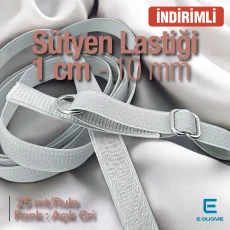
.jpeg-230x230.webp "Bra Elastic 10 mm - 0,39\" - 100 mt/Roll SUT0010")