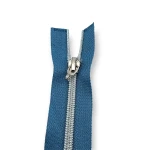
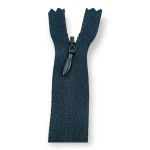
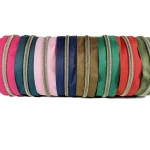
PLASTIC JACKET ZIPPERS FOR JACKETS, SPORTSWEAR, OUTDOOR GEAR AND MORE.
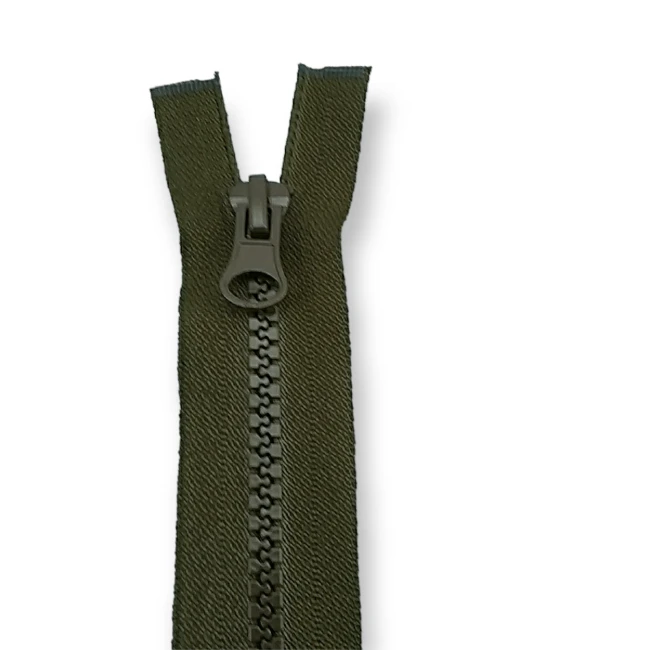
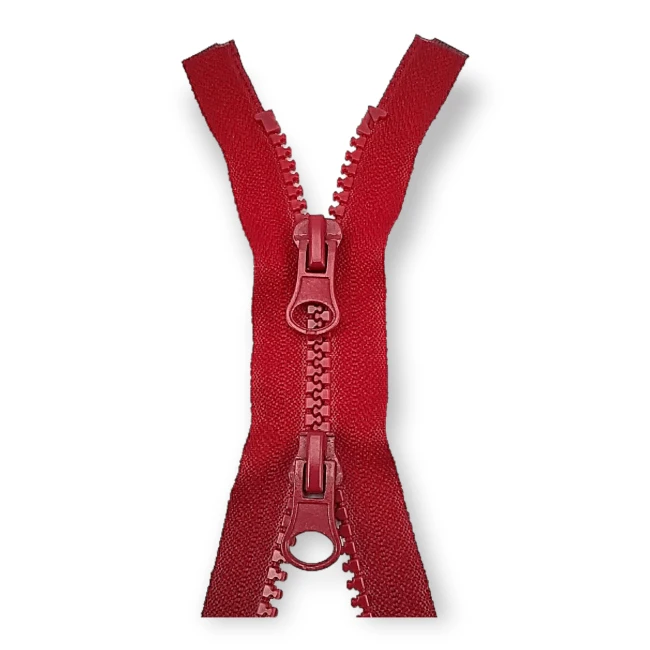
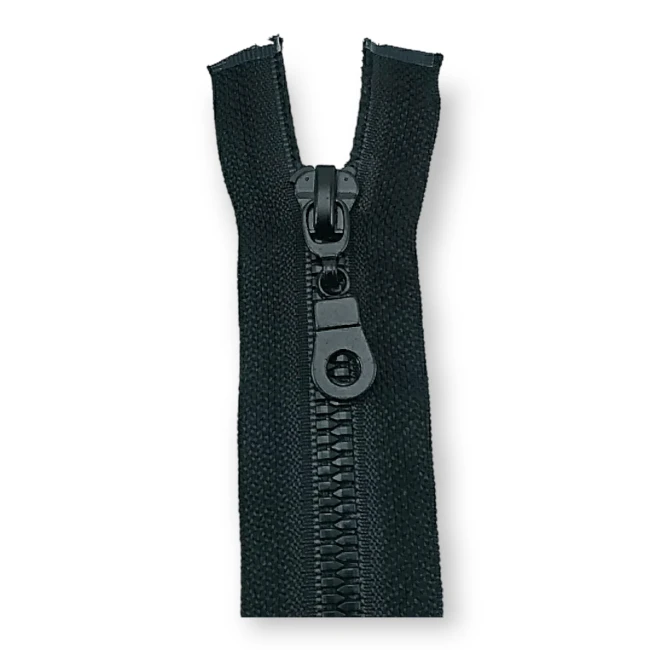
Molded plastic jacket zippers are zipper systems with individually shaped plastic teeth rather than a continuous coil construction. They are commonly used when the zipper should provide a more visible, structured and durable closure line on jackets, coats, parkas, vests, sportswear, bags and selected outdoor equipment.
This category is also searched under terms such as plastic jacket zipper, plastic coat zipper, chunky zipper, molded zipper and molded plastic coat zipper. The product group includes standard molded teeth, corn teeth, metal-look teeth and metalized finishes in a broad range of ready lengths and zipper end types.
Do not choose a molded plastic zipper only by length or colour. The correct product depends on whether the zipper must separate at the bottom, how much load the garment or accessory will carry, the fabric thickness, the zipper tooth profile, the tape width, the slider style and the intended visual effect.
For the complete outerwear zipper range, browse Jacket Zippers. For flexible coil constructions, compare the relevant nylon zipper options in the main jacket zipper category. For coated technical styles designed to help reduce direct water entry through the zipper line, see Water-Repellent Jacket Zippers.
What Is a Molded Plastic Jacket Zipper?
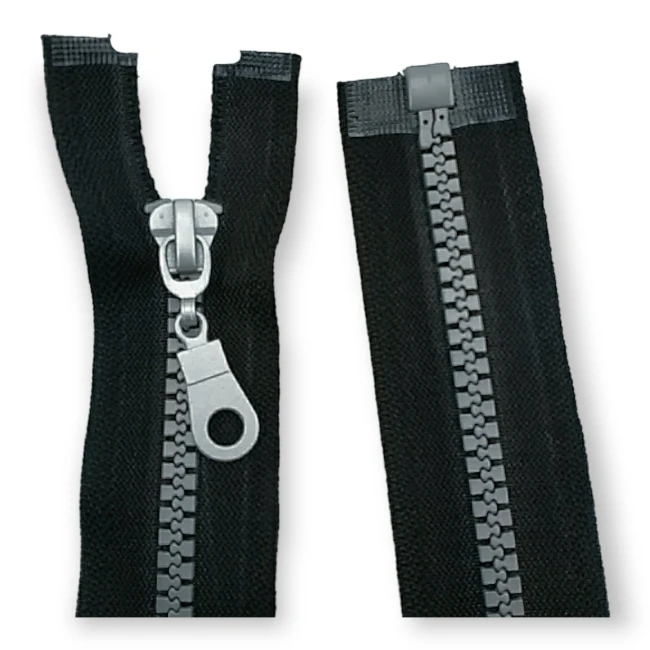
A molded plastic jacket zipper uses visible formed plastic teeth attached along the zipper tape. Compared with a nylon coil zipper, the tooth profile is more defined and can create a stronger design line on the garment or accessory.
Molded plastic zippers are suitable when the zipper should remain visible as part of the product design. They are frequently used in jackets, coats, parkas, puffer jackets, vests, sportswear, children’s outerwear, bags, luggage, cases and selected technical textile products.
The zipper does not need to be used only on clothing. A close-end molded plastic zipper can also suit compartments, bag pockets, organizers, pouches and certain accessories. An open-end separating version is normally required for garments that must open fully at the front.
Molded Plastic Zipper Types
The appearance and function of a molded plastic zipper can change according to tooth shape, surface finish, zipper size, end type and slider construction. The right combination should be selected according to the product’s intended use.
Standard Molded Teeth
Standard molded teeth create a clean, balanced and structured zipper line. They are suitable for everyday jackets, casual coats, vests, children’s outerwear, sportswear and bag applications where the zipper should be visible but not overly decorative.
This group is useful for products that need a practical closure with a clear tooth profile. The final result depends on tape colour, tooth colour, garment fabric and the position of the zipper on the product.
Corn Teeth / Crocodile Teeth Zippers
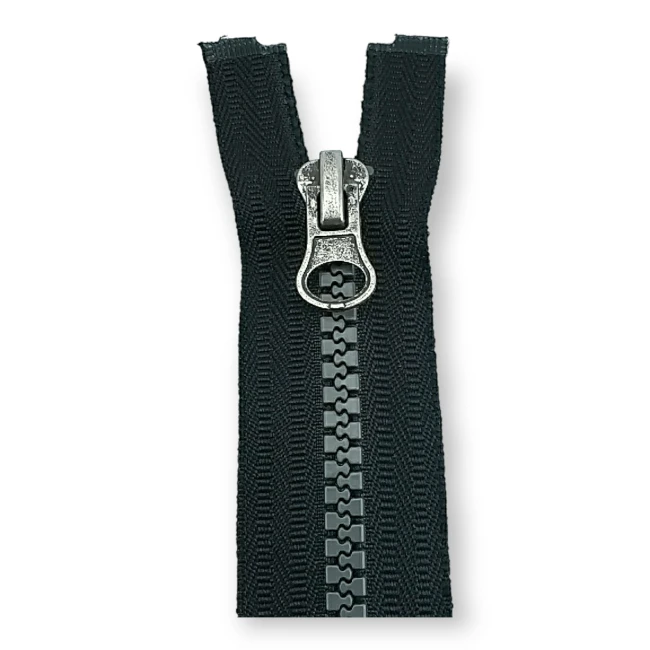
Corn teeth molded zippers have a more distinctive tooth profile than standard molded teeth. In the zipper market, this structure is also commonly called a crocodile teeth zipper because of its more pronounced, segmented appearance.
Corn teeth or crocodile teeth zippers can be suitable for parkas, sports jackets, children’s outerwear, bags, outdoor textiles and products where the zipper is intended to become a noticeable design detail. Their stronger tooth profile should be matched with the fabric thickness and front seam construction.
On very light fabrics, a large or highly structured tooth profile can make the zipper line appear too heavy. On puffer jackets, parkas, heavier coats and outdoor equipment, the same tooth structure can create a more balanced visual result.
Metal-Look Molded Plastic Zippers
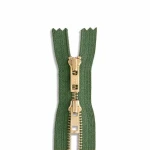
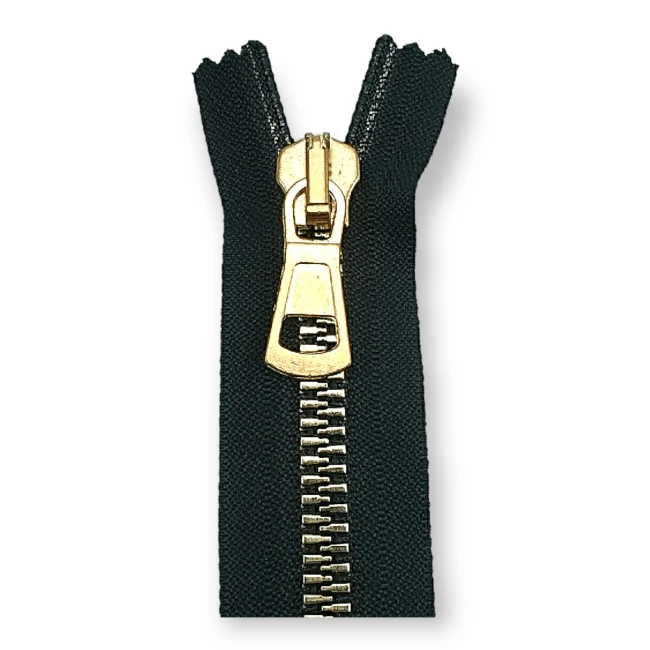
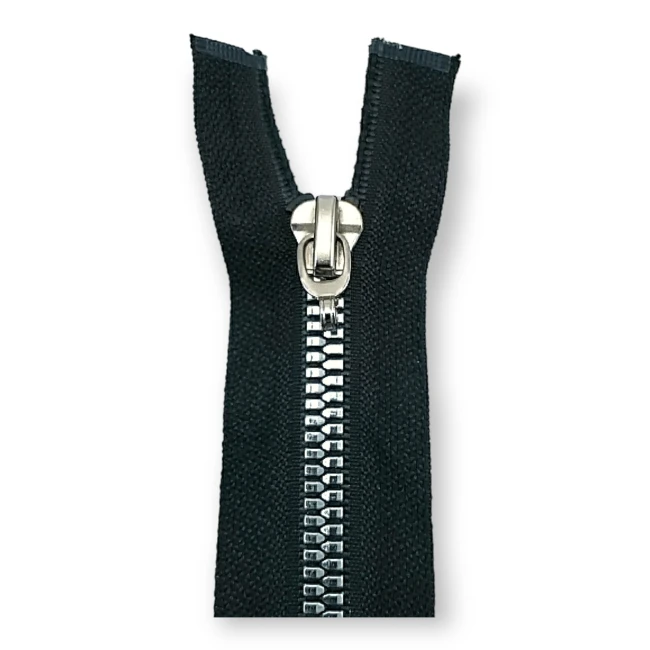
Metal-look molded plastic zippers combine the structured form of plastic teeth with a finish designed to create a metallic visual effect. They are useful when the design calls for a more striking zipper appearance without selecting a conventional metal zipper construction.
Metal-look zipper teeth can suit coats, parkas, denim jackets, workwear, bags, outerwear and products where the zipper is intended to stand out visually. Compare the tooth finish, tape colour and slider colour with the actual garment fabric before production.
The 85 cm / 33.47 in #9 Metal-Look Molded Zipper – Open End / Separating is an example of a longer molded plastic zipper intended for jacket, coat and outerwear front applications.
Metalized Teeth Zippers
Metalized teeth zippers use a surface finish that gives the zipper teeth a more decorative or metallic-style appearance. They can be selected for fashion outerwear, bags, footwear accessories, sportswear and design-led products where the zipper plays a visible role in the final look.
Metalized finishes should be evaluated as part of the complete colour palette. The zipper tape, teeth, slider and main fabric can either blend together or create deliberate contrast depending on the design objective.
Open-End, Closed-End, Two-Way and Reversible Zippers
The end construction is one of the most important factors when choosing a molded plastic zipper. The same tooth style can be sold as a closed-end zipper, an open-end separating zipper, a two-way zipper or a reversible zipper. These constructions are not interchangeable.
| Zipper End Type |
Typical Applications |
Main Function |
| Open-End / Separating |
Jackets, coats, parkas, vests, hoodies and front-opening outerwear |
Allows both zipper tapes to detach fully at the lower end. |
| Closed-End |
Pockets, bags, pouches, wallets, organizers and fixed closure areas |
The lower end remains connected and the zipper does not separate completely. |
| Two-Way |
Long coats, parkas, technical outerwear and long garment fronts |
Allows opening from the top and additional adjustment from the lower section. |
| Reversible |
Reversible garments, double-sided products and specialised design applications |
Supports use from different garment sides, depending on the zipper system. |
When Should You Choose an Open-End Molded Plastic Zipper?
Choose an open-end separating molded plastic zipper when the garment front needs to open completely. This applies to jackets, coats, parkas, vests, hoodies, fleece jackets and many front-opening outerwear products.
An open-end zipper includes a bottom starter box and insertion pin. When the zipper is opened fully, both zipper tapes detach from each other. A closed-end zipper cannot provide the same function because its lower end remains permanently connected.
For a jacket or coat replacement, check that the old zipper is open-end before ordering. A zipper with the same length but the wrong end construction will not work as a replacement for a fully opening garment front.
When Should You Choose a Closed-End Molded Plastic Zipper?
Choose a closed-end molded plastic zipper for applications where the lower end must remain fixed. Common uses include pockets, bag compartments, pouches, organizers, wallets, textile cases and certain short closure areas.
Closed-end zippers may also be used in selected garment details, but they are not appropriate for a jacket or coat front that needs to separate fully. Always match the zipper end type with the intended opening function.
How to Choose Molded Plastic Zipper Length
Select zipper length according to the actual closure line rather than the total length of the garment or bag. For replacement work, close the existing zipper and measure from the top stop to the relevant lower-end component. For new production, measure the zipper placement line in the pattern or product construction.
| Length Direction |
Typical Applications |
What to Check |
| Short Lengths |
Pockets, children’s garments, short jackets, vests, bags and compact accessory compartments |
Closure opening, seam position and whether a closed-end or open-end system is needed |
| Medium Lengths |
Standard jackets, sweatshirts, hoodies, vests, bags and casual outerwear |
Actual front closure line, garment fit and fabric thickness |
| Long Lengths |
Coats, parkas, long hoodies, long jackets and outdoor front closures |
Movement comfort, sitting position and whether a two-way zipper is needed |
A zipper that is too short can leave the closure incomplete or make the garment difficult to wear. A zipper that is too long can create fitting problems at the neckline, hem or lower front construction. Test the zipper length against the real pattern before bulk production.
How to Choose Molded Plastic Zipper Size
Molded plastic zipper size affects tooth visibility, zipper bulk, expected usage level and how the zipper sits on the fabric. This category includes different zipper size groups such as #5, #6 and #9, depending on the product.
| Zipper Size Group |
General Direction |
What to Consider |
| #5 |
Light to medium outerwear, vests, short jackets, children’s products, bags and everyday zipper applications |
Fabric thickness, intended frequency of use and desired zipper visibility |
| #6 |
Sportswear, jackets, hoodies, medium outerwear, bags and more visible zipper applications |
Tooth profile, zipper bulk, tape width and seam construction |
| #9 |
Parkas, coats, heavy outerwear, longer front closures, larger bags and prominent zipper designs |
Garment weight, tooth visibility, zipper load and ease of movement |
A larger zipper size is not automatically the best choice. Large teeth can look too heavy on lightweight fabrics, while a lighter zipper construction may not create the required appearance or support on thick outerwear. Choose according to the complete garment or accessory construction.
Molded Plastic Zipper vs. Nylon Coil Zipper
Molded plastic zippers have individually formed teeth that create a structured, visible zipper line. Nylon coil zippers use flexible coil teeth and can create a softer, lighter and more adaptable closure line.
Choose molded plastic zippers when the product needs more visible teeth, a stronger outerwear look or a defined zipper detail. Choose nylon coil zippers when flexibility, softer drape and a lighter zipper line are priorities.
Both zipper types can be suitable for jackets and outerwear when the size, end construction, tape width and intended use are correctly matched with the garment.
Molded Plastic Zipper vs. Water-Repellent Zipper
A standard molded plastic zipper is designed for general closure applications in garments, bags and accessories. A water-repellent zipper uses a coated or specialised surface construction intended to help reduce direct water entry along the zipper line.
For rainwear, softshell garments, technical outerwear and products exposed to moisture, a water-repellent zipper may be more suitable. However, a water-repellent zipper does not make the complete product waterproof on its own.
Overall water performance also depends on the fabric, seam construction, needle holes, seam sealing, lining, storm flap design and the full product assembly. Browse Water-Repellent Jacket Zippers when the zipper line requires additional protection against direct water entry.
Where Are Molded Plastic Zippers Used?
- Jackets and coats: For open-front closures where structured zipper teeth are desired.
- Parkas and puffer jackets: For outerwear requiring a more visible zipper profile and compatible opening structure.
- Vests and fleece garments: For front-opening garments where zipper visibility and fabric balance are important.
- Sportswear and tracksuits: For garments requiring a practical closure and clear zipper appearance.
- Children’s outerwear: For jackets, coats, vests and hooded garments when the tooth size and slider are appropriate for the design.
- Bags and cases: For compartments, pockets, organizers, travel accessories and structured textile products.
- Outdoor gear: For suitable zipper systems used in outdoor bags, covers, textile equipment and compatible product designs.
- Tarpaulins and tents: Only when the zipper system, tape construction, slider setup and size are designed for the expected load and outdoor conditions.
Why Tape Colour, Tooth Finish and Slider Style Matter
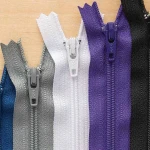
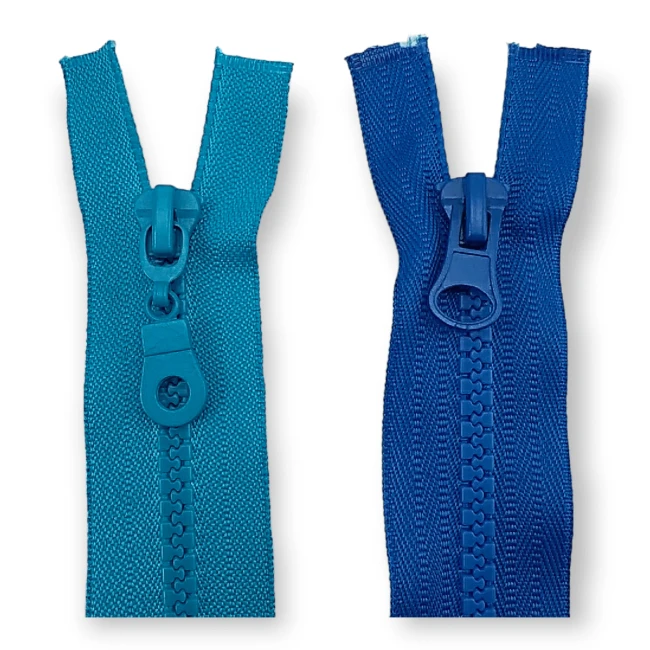
A molded plastic zipper is often visible on the front of a jacket, coat or bag. The tape colour, tooth finish and slider style can either blend into the product or become a major design detail.
For a discreet appearance, choose a zipper tape close to the main fabric colour and a tooth finish that does not create strong contrast. For a more distinctive look, use corn teeth, metal-look teeth, metalized teeth or a contrasting tape colour as part of the visual design.
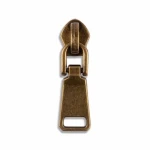
The slider also affects everyday use. A larger pull can be useful for parkas, outdoor jackets, children’s outerwear and products used while wearing gloves. A more compact slider may suit light jackets, bags and garments where a reduced visual profile is preferred.
How to Replace a Molded Plastic Jacket Zipper
When replacing a zipper in a jacket, coat or parka, matching the length alone is not enough. The replacement zipper must also have the correct end type, tape width, tooth profile, slider configuration and lower separating components.
- Confirm whether the existing zipper is open-end, closed-end, two-way or reversible.
- Measure the zipper while closed from the top stop to the relevant lower-end component.
- Compare the replacement tape width with the original seam allowance and stitching line.
- Check the fabric thickness, lining structure and front-placket construction.
- Compare the tape colour, tooth finish and slider style with the garment.
- Test the zipper placement with pins or basting before final sewing.
Common Mistakes When Choosing Molded Plastic Zippers
- Using a closed-end zipper for the front of a jacket or coat that must open fully.
- Choosing zipper length by estimating from the total garment length.
- Selecting a molded zipper only by colour without checking the end type, tooth size and tape width.
- Using large teeth on lightweight fabric without checking how the zipper affects the seam and drape.
- Assuming that all #5, #6 and #9 zippers have identical tape widths, slider types or end constructions.
- Selecting corn teeth or metal-look teeth without considering the fabric thickness and desired design balance.
- Assuming that a water-repellent zipper makes the entire garment or bag waterproof.
- Starting bulk production without testing the zipper on the actual fabric, lining and seam construction.
Related Categories and Products
Frequently Asked Questions
What is a molded plastic jacket zipper?
A molded plastic jacket zipper is a zipper with individually shaped plastic teeth. It is used for jackets, coats, parkas, vests, bags, sportswear and outdoor products where a structured and visible zipper line is required.
Are plastic jacket zippers and molded plastic zippers the same thing?
In zipper product searches, plastic jacket zipper, molded plastic zipper, chunky zipper and molded zipper are often used for the same general product family. The exact tooth shape, zipper size, end type and intended use can still vary by product.
What is the difference between corn teeth and crocodile teeth zippers?
They usually refer to the same molded tooth style. Corn teeth describes the tooth form, while crocodile teeth is a common market term used because the profile looks more pronounced and segmented than standard molded teeth.
Can I use a closed-end molded plastic zipper for a jacket front?
No. A jacket, coat, parka or vest front that must open fully requires an open-end separating zipper. Closed-end zippers are more suitable for pockets, bags, pouches, organizers and fixed closure areas.
Which molded plastic zipper size should I use for a parka?
A #6 or #9 molded plastic zipper can be suitable for many parka designs, depending on fabric thickness, garment length, expected use and the desired tooth appearance. Check the complete garment construction before choosing the size.
Are metal-look molded zippers made from real metal teeth?
Not necessarily. A metal-look or imitating metal teeth zipper is designed to create a metallic visual effect while retaining molded plastic tooth construction. Check the individual product specification for the exact material and surface finish.
Can molded plastic zippers be used for bags and outdoor gear?
Yes, provided the zipper size, end type, tape construction, slider system and expected load are suitable for the product. Heavy-duty outdoor, tent and tarpaulin applications require a zipper designed specifically for that level of use.
Does a water-repellent molded zipper make the whole product waterproof?
No. A water-repellent zipper can help reduce direct water entry through the zipper line. The product’s overall water performance also depends on fabric, seams, needle holes, seam sealing and full construction.