Rivets for Bags, Leather Goods, Belts and Textile Accessories
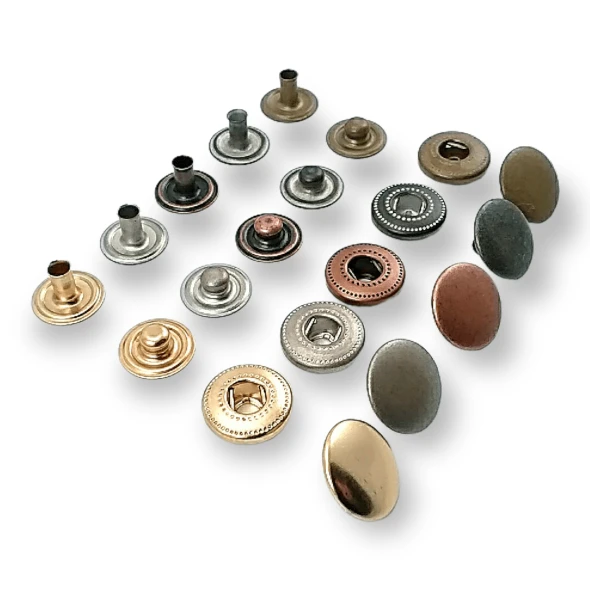
Rivets are permanent fastening components used to secure two or more layers of leather, artificial leather, canvas, fabric, webbing or reinforcement material. They are widely used for bag handles, belt ends, wallets, card holders, shoe details, straps, pouches, textile accessories and decorative fashion products.
The terms rivet, leather rivet, bag rivet and metal fastener may be used for similar product groups. The correct rivet should be selected according to the product structure, total layer thickness, cap visibility, expected load, post length and setting die compatibility.
Single Cap, Double Cap, Pin and Long-Post Rivets
| Rivet Type | Construction | When to Choose It | Typical Uses |
|---|
| Single Cap Rivets | A decorative cap is visible on one side, while the reverse side has a simpler fastening finish. | Choose when only one side of the product needs a visible decorative metal cap. | Bags, belts, wallets, leather goods, shoes, textile accessories and strap connections. |
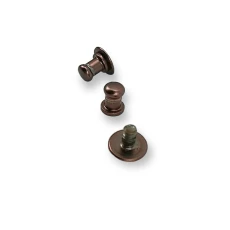
| Double Cap Rivets | Finished caps are visible on both sides of the material. | Choose when both sides of the product remain visible and need a balanced finished appearance. | Bag handles, wallets, belts, card holders, organizers, leather accessories and double-sided products. |
| Pin Rivets / Nail Rivets | A cap and pin structure form the fastening connection. | Choose when the product design uses a cap-and-pin rivet system and the material thickness suits the selected pin length. | Bags, belts, leather goods, wallets, canvas products and textile accessories. |
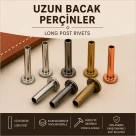
| Long-Post Rivets | Longer post or pin structure for thicker material combinations. | Choose for thick leather, reinforced bag handles, layered canvas, belts and multi-layered products. | Thick leather goods, belts, bags, pouches, cases, technical textile and reinforced strap connections. |
| Decorative Rivets | Rivet structures designed to add a visible decorative, cast or coloured accessory detail. | Choose when the fastening point should also support the product design, brand identity or decorative style. | Fashion accessories, bags, footwear, decorative leather goods and branded products. |
What Is the Difference Between Single Cap and Double Cap Rivets?
Single cap rivets have one visible decorative cap. They are suitable for applications where the reverse side of the connection is hidden, covered by lining or not visually important. They are commonly used on bag handles, belts, pocket corners, strap connections and leather accessories.
Double cap rivets provide a finished cap appearance on both the front and reverse sides. They are a practical option for wallets, card holders, belts, bags and leather goods where both surfaces remain visible. The result is cleaner and more balanced than a standard single-cap fastening point.
Rivet Size Guide: Cap Diameter and Post Length
Every rivet has two key size values: cap diameter and post length. The cap diameter determines the visible metal area on the finished product. The post length must suit the combined thickness of all joined layers.
When calculating total material thickness, include not only the main leather or fabric but also lining, interfacing, webbing, reinforcement leather, foam, cardboard support and any additional layers. A post that is too short may not grip the material securely. A post that is too long may create a loose, uneven or poorly seated fastening result.
Rivet System and Size Reference
| System / Type | Cap Diameter | Typical Post Length | Common Material Options | Recommended Applications |
|---|
| 00 Rivet | 5 mm / 0.20 in | 5.5 mm / 0.22 in | Brass | Small wallets, card holders, fine leather goods, keyrings and compact accessories. |
| 0 Rivet | 6 mm / 0.24 in | 6–6.5 mm / 0.24–0.26 in | Steel or brass | Thin leather, small bag details, belt ends, compact textile accessories and general fastening points. |
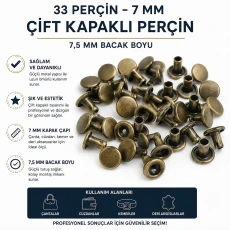
| 33 Rivet | 7 mm / 0.28 in | 7–7.5 mm / 0.28–0.30 in | Steel or brass | Wallets, bags, belts, shoes, leather accessories and standard textile applications. |
| 33.5 Rivet | 9–9.5 mm / 0.35–0.37 in | Usually 7.5 mm / 0.30 in in standard models; check the individual product specification. | Steel, brass or cap-and-pin combinations | Bags, belts, wallets, leather products and applications requiring a more visible cap. |
| 123 Rivet | 11 mm / 0.43 in | Long-post construction; check the individual product for the exact post length. | Steel | Thick leather, reinforced bag parts, layered canvas and special accessory production. |
| 54 / 75 Rivet | 12 mm / 0.47 in | 7 mm, 7.5 mm or 11 mm / 0.28, 0.30 or 0.43 in, depending on the model. | Steel or brass | Bags, belts, medium-to-thick leather, textile accessories and workshop production. |
| Intermediate Sizes | Approximately 12.5 mm / 0.49 in and product-specific dimensions. | Varies by product. | Steel or brass | Special bag, belt, leather and textile accessory applications outside standard rivet systems. |
| 61 Rivet | 15 mm / 0.59 in front cap; double-cap versions may use a 12 mm / 0.47 in back cap. | Steel models: 7 mm or 11 mm / 0.28 or 0.43 in. Brass models: 7 mm / 0.28 in. | Steel or brass | Large bags, thick leather goods, belts, visible decorative connections and high-impact accessory areas. |
Important: The table is a selection guide. Rivet construction can vary between single-cap, double-cap, pin and long-post products. Always use the individual product page as the final reference for cap diameter, back-cap size, post length, material composition and compatible setting die.
How to Choose the Right Post Length
Post length should be selected according to the total thickness of the joined materials, not according to one leather or fabric layer alone. Thin leather wallets and compact accessories usually need shorter posts. Bag handles, belts, reinforced leather and layered canvas may require longer posts.
- Short-post rivets: Suitable for thin leather, card holders, wallets, small accessories and compact textile details.
- Standard-post rivets: Suitable for general bag, belt, leather accessory and textile fastening applications.
- Long-post rivets: Suitable for thick leather, layered canvas, belt construction, padded bag handles and reinforced connection points.
Examples of longer post structures can be found in products such as the 9 mm / 0.35 in double-cap long-post rivet with a 15 mm / 0.59 in post. For standard 12 mm / 0.47 in applications, the 54 single-cap rivet with a 7.5 mm / 0.30 in post is an example of a more compact fastening format.
Rivet Materials: Steel, Brass, Stainless Steel, Aluminum Pin, Zamak and Plastic
| Material | General Characteristics | When to Choose It | Typical Uses |
|---|
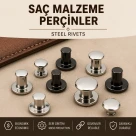
| Steel Rivets | Widely used metal rivet option with a practical cost structure and different plated finish possibilities. | Choose for standard workshop production, bags, belts, textile accessories and general leather applications. | Bags, belts, shoes, wallets, textile accessories and general fastening points. |
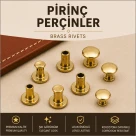
| Brass Rivets | Suitable for products where a refined metal appearance, finish quality and long-term accessory value are important. | Choose for premium leather goods, bags, belts, wallets, footwear and visible accessory details. | Leather products, premium bags, belts, wallets, shoes and branded accessories. |
| Stainless Steel Rivets | Suitable for applications where moisture, outdoor exposure, washing conditions or corrosion resistance need closer consideration. | Choose for outdoor products, technical textile, cases, bags and applications exposed to demanding conditions. | Outdoor bags, tarpaulin products, technical textile, covers, cases and moisture-prone environments. |
| Aluminum Pin Rivets | Pin-rivet systems may use an aluminum pin together with a brass, steel or another metal cap. | Check both cap material and pin material when selecting a pin rivet. | Bags, wallets, belts, leather accessories and textile fastening applications. |
| Zamak Rivets | Cast zinc-alloy structures are suitable for decorative forms, logos, embossed surfaces and special accessory designs. | Choose when the rivet should work as a visible design, branding or decorative detail. | Fashion accessories, logo details, bags, shoes and decorative leather goods. |
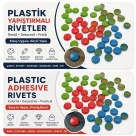
| Decorative Plastic Rivets | Suitable for lightweight, coloured or non-metallic decorative applications. | Choose when product design requires colour coordination, lower weight or a plastic visual effect. | Fashion accessories, lightweight bags, textile decoration and selected craft projects. |
Why Material Information Matters in Pin Rivets
In pin rivets, the cap and the pin may not be made from the same material. A product can combine a brass cap with an aluminum pin, or use a different cap material and pin structure depending on the rivet system. For this reason, check the individual product description rather than selecting a pin rivet based only on the cap finish or general product name.
For example, the 33.5 rivet range includes 9.5 mm / 0.37 in cap options for bag, leather, belt and wallet applications. Select the exact model according to cap type, post structure, finish and material composition.
Rivet Setting Dies and Installation Tools
Correct installation requires a setting die matched to the exact rivet system. Cap diameter alone is not enough to select a die. Single-cap, double-cap, pin-rivet and long-post constructions may have different seating forms, back-cap structures and setting requirements.
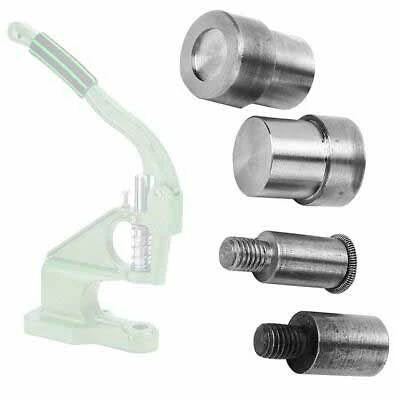
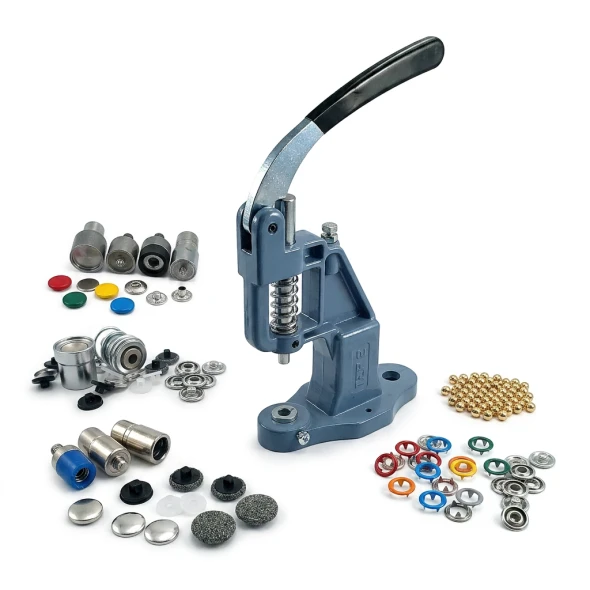
Browse setting dies, fastening molds and application tools before installation. The Rivet Setting Tool KLP0098 is available as a rivet installation tool, but the selected die and press connection must match the specific rivet system.
Compatible rivet dies can be used with hand-hit tools, hand presses, impact presses, electric machines and pneumatic machines when the die connection, press compatibility, rivet system and material thickness are suitable for the application.
Choosing Rivets for Bags, Leather, Belts and Textile Products
For wallets, card holders and small leather accessories, smaller cap diameters such as 5 mm / 0.20 in, 6 mm / 0.24 in or 7 mm / 0.28 in can provide a more balanced appearance. For bags, belts and visible leather connections, larger cap diameters such as 9.5 mm / 0.37 in, 12 mm / 0.47 in or 15 mm / 0.59 in may offer a stronger visual effect.
For bag handles, belt ends and reinforced leather areas, evaluate expected pull load together with material thickness and post length. For products where both sides are visible, double-cap rivets usually provide a more finished appearance. For thick leather or layered construction, choose a suitable long-post rivet rather than forcing a short post through a thick material stack.
Frequently Asked Questions
What is the difference between a rivet and a leather rivet?
Leather rivet is an application-based name for a rivet used on leather goods. The correct rivet is selected according to cap size, post length, material thickness, cap style and compatible setting die.
What do rivet system numbers such as 0, 33, 54 and 61 mean?
These system names help identify the rivet size group and cap diameter range. For example, 0 rivets are generally around 6 mm / 0.24 in, 33 rivets around 7 mm / 0.28 in, 54 rivets around 12 mm / 0.47 in and 61 rivets around 15 mm / 0.59 in front-cap size.
How do I choose the correct rivet post length?
Choose the post length according to the combined thickness of every layer being joined. Include leather, lining, webbing, canvas, reinforcement layers and interfacing. A post that is too short may not close securely; a post that is too long may create a loose or uneven fastening.
Should I choose a single-cap or double-cap rivet?
Choose a single-cap rivet when one side of the product needs a decorative cap and the reverse side is hidden or less visible. Choose a double-cap rivet when both sides of the product remain visible and need a clean finished appearance.
When should I use a long-post rivet?
Use a long-post rivet for thick leather, layered canvas, reinforced bag handles, belts, padded straps and multi-layered material structures where a standard post is too short.
Can a pin rivet have a brass cap and an aluminum pin?
Yes. Pin rivets may use different materials for the cap and pin. Check both component materials, the pin length and the compatible setting tool on the individual product page.
Which rivet material is suitable for leather bags?
Steel rivets are commonly used for standard bag production. Brass can be selected for a more premium metal finish. Stainless steel can be evaluated when moisture, outdoor exposure or higher corrosion resistance are important.
Which rivet is suitable for thick leather belts?
Long-post rivets are generally more suitable for thick leather belts and layered materials. Select the exact post length after measuring the total thickness of the belt layers and confirming setting-die compatibility.
Do I need a rivet setting die?
Yes. A compatible setting die helps the rivet close evenly, protects the cap shape and supports a more secure fastening result.
Can rivets be used on fabric and textile products?
Yes. Rivets can be used on canvas, webbing, layered textile accessories, bag details and selected garment components when the material structure, reinforcement requirement, post length and setting method are suitable.
Are rivets opening and closing fasteners?
No. Rivets are permanent fastening components. For applications that need repeated opening and closing, choose a snap fastener, magnetic snap, buckle, hook-and-bar closure or another suitable closure system.


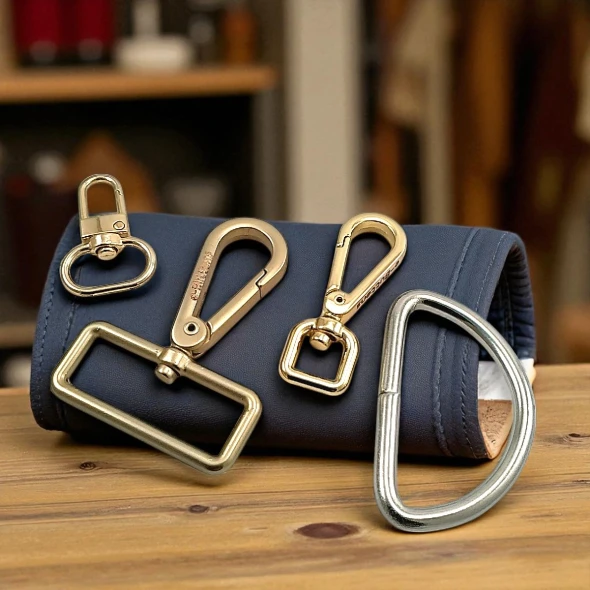
-no5-k0010%20(3).jpg-590x590.webp "Eyelets and Grommets")
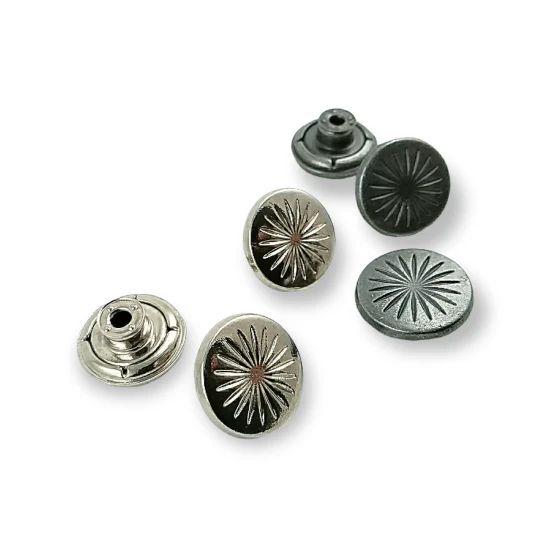
.jpg-590x590.webp "Rivets")
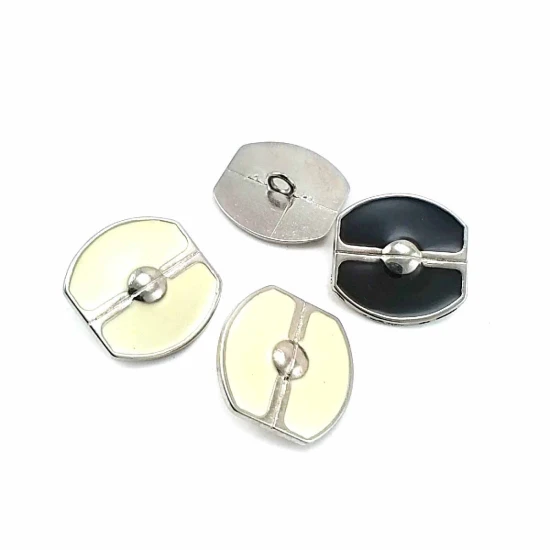
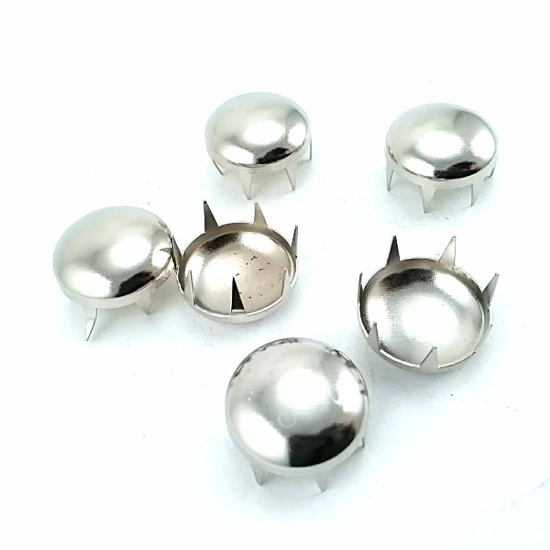
.jpg-100x100.webp "1 cm - 0,39")
.jpeg-100x100.webp "10 mm / 0.39 in Gold Zamak Bra Strap Slider and Ring Set, 500 Pairs PBT0006PROMO")
_7_11zon.jpg-100x100.webp "10 mm / 0.394 in Ball-Tip Sew-On Hook Fastener, 50 Pieces E 1879 PROMO")
-s1351%20(1%20(6).jpeg-100x100.webp "10 mm 0,39")

.png-100x100.webp "10.5 mm / 0.41 in Frosted Pearl Stainless Prong Snap Fasteners, 100 Sets/Pack ERBCLK0008BBSD")

.webp-230x230.webp "0 Double Cap Rivet 6 mm (0.24")
_1_11zon.webp-230x230.webp "0 Rivet 6 mm (0.24")
.webp-230x230.webp "11 mm (0.43")
-E-2236.jpg-230x230.webp "11,5 mm Zamak Rivet Housefly Logo E 2236")
_10_11zon.png-230x230.webp "33 Series Brass Double-Cap Rivet, 7 mm / 0.276 in Caps, 7.5 mm / 0.295 in Post, 1000 Pieces R0033PR")
.webp-230x230.webp "33.5 Double Cap Rivet 9.5 mm (0.37")
.jpg-230x230.webp "33.5 Nail Rivet 9 mm (0.35")
.webp-230x230.webp "33.5 Pin Rivet 9.5 mm (0.37")
.webp-230x230.webp "33.5 Pin Rivet 9.5 mm (0.37")
.jpeg-230x230.webp "33.5 Pin Rivet 9.5 mm (0.37")
.webp-230x230.webp "33.5 Pin Rivet 9.5 mm (0.37")
.webp-230x230.webp "33.5 Rivet 9.5 mm (0.37")
.png-230x230.webp "33.5 Single Cap Rivet 9.5 mm (0.37")
.webp-230x230.webp "54 Double Cap Rivet 12 mm (0.47")