Zinc Alloy Jeans Buttons: A Practical Selection Guide
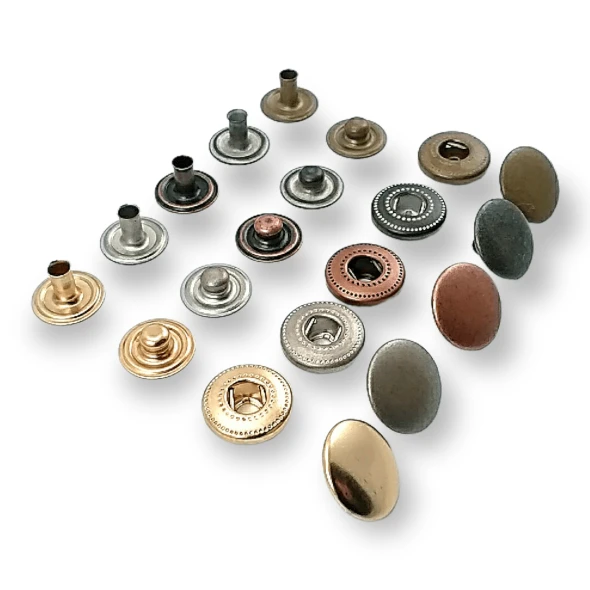
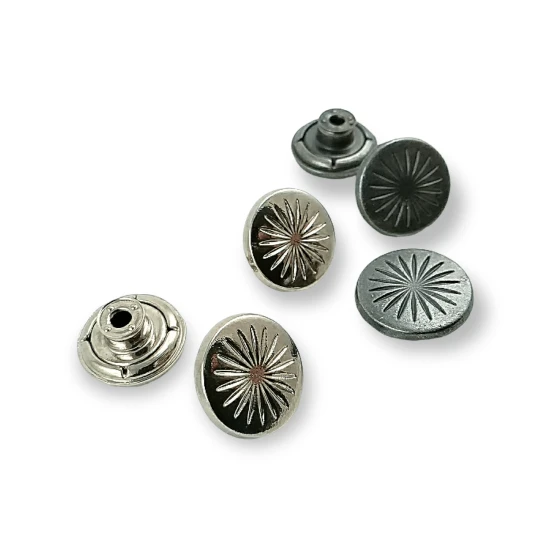
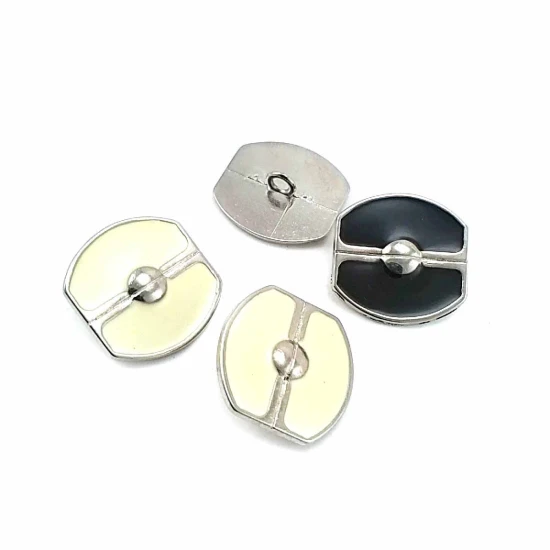
Zinc alloy jeans buttons are metal tack buttons designed for waistbands, fly closures, denim jackets, skirts, shorts, and other structured fabric applications. Their cast alloy construction supports a wide range of face designs and plated finishes, allowing the button to serve as both a functional closure and a visible design detail. This page is the zinc alloy section within the broader jeans button category.
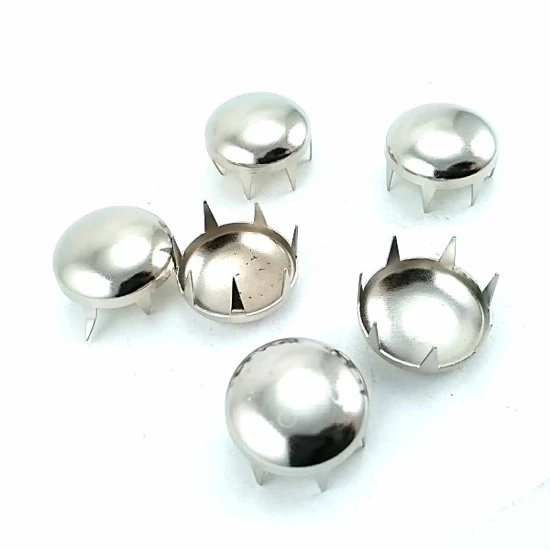
A successful choice depends on more than the face design. Button diameter, tack construction, total fabric thickness, the number of layers at the attachment point, and setting-die compatibility must be considered together. A tack that is unsuitable for the material stack or a mismatched die can leave the button loose, damage the fabric, or deform the hardware during installation.
Common Uses for Zinc Alloy Jeans Buttons
- Jeans and denim pants: For a recognizable metal waistband closure.
- Denim jackets, vests, skirts, and shorts: To coordinate the closure with other metal trims.
- Workwear and structured garments: When the selected button, tack, and setting system suit the actual fabric layers.
- Bags and textile projects: As a decorative or functional metal detail after compatibility has been confirmed.
- Sampling and collection development: For comparing size, face design, finish, and installation results.
How to Choose the Right Zinc Alloy Jeans Button
Check the actual diameter
Use the millimeter measurement stated on the product page rather than estimating size from photographs. Diameter affects visual proportion, handling, and the setting tooling required for the button.
Measure the full fabric stack
Fabric weight alone does not determine tack suitability. Waistband seams, interfacing, folded edges, and overlapping layers change the thickness at the exact setting point. Test the complete production stack before placing a large order.
Match the button, tack, and setting die
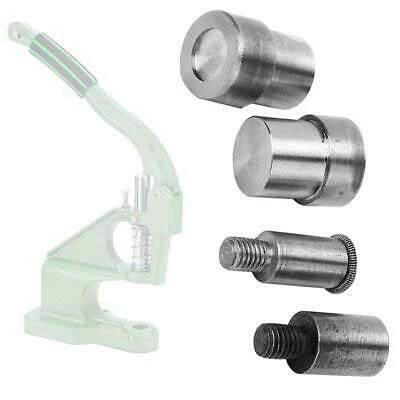
Buttons with a similar face diameter may use different rear geometry or tack systems. Do not assume that an existing die is compatible based on diameter alone. Confirm the exact button model and installation components before production.
Plan the finish with the full trim package
Nickel-tone, antique, oxide, and other plated appearances can vary slightly with lighting, screen settings, and production lots. If the button must match rivets, zippers, or other hardware, compare physical samples under the same lighting.
Zinc Alloy Compared with Brass and Stainless Steel
Zinc alloy, brass, and stainless steel identify material families; the material name alone does not guarantee corrosion resistance, wash performance, or suitability for every manufacturing process. Evaluate the base material together with plating, garment use, laundering, finishing treatments, and care requirements. Pre-production testing is especially important for stone washing, enzyme washing, bleaching, or other demanding treatments.
Installation Checklist Before Production
- Build a test piece using the exact fabric, interfacing, and seam layers.
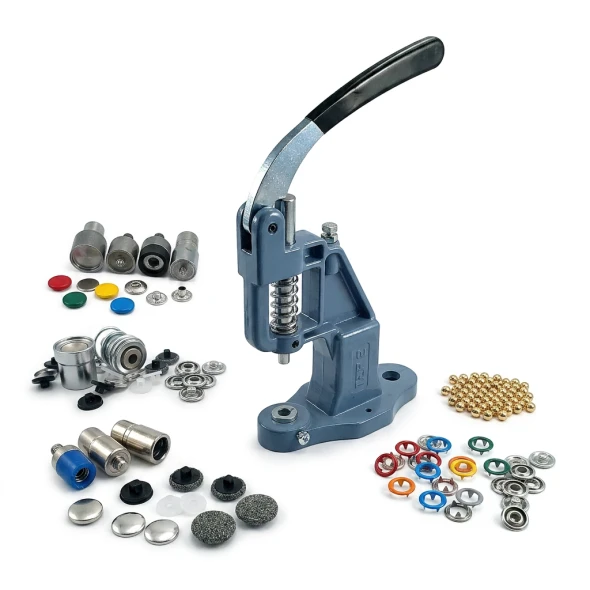
- Confirm that the button, tack, and die belong to the same installation system.
- Begin with controlled press pressure and increase it gradually.
- Inspect the installed button for rotation, pull resistance, deformation, and fabric damage.
- Test the assembled sample through the intended wash and finishing process.
Important: Tack size and setting-die compatibility can vary by button model. If you are unsure, provide the button reference, finished fabric thickness, planned quantity, and the press or hand tool you intend to use before ordering.
Frequently Asked Questions
Are zinc alloy jeans buttons sewn onto the garment?
No. This button family is generally attached with a tack and a compatible setting die or tool. Verify the included components and installation requirements on the individual product page.
Can every jeans button be installed with the same die?
No. Similar diameters do not guarantee identical rear profiles or tack systems. Die compatibility should be confirmed for the exact model.
How do I choose the correct tack length?
The correct tack depends on the complete thickness of the fabric, interfacing, seams, and folded layers at the attachment point. Test the real production stack before bulk installation.
Are zinc alloy buttons suitable for garment washing?
Wash performance depends on the base material, plating, chemicals, temperature, and finishing process. Run a production-representative wash test when special treatments are planned.
Will the finish match what I see on screen?
Lighting, display settings, and production lots can create slight color differences. Request or compare samples when an exact match with other hardware is required.
What information is useful for a wholesale inquiry?
Provide the preferred diameter, quantity, finish, fabric type, total material thickness, and available setting equipment so compatibility can be assessed more accurately.