
.jpg-40x40.webp "Magnetic Snaps Buttons")

.jpg-40x40.webp "Prong Snap Fasteners for Baby Clothes")


.jpg-40x40.webp "Curved Snaps Buttons")


.jpg-40x40.webp "Snap Fasteners Half Dome type")
-no5-k0010%20(3).jpg-40x40.webp "Eyetlets")


-K0014.png-40x40.webp "Steel Eyelets and Iron Metal Grommets")

.jpg-40x40.webp "Flat Brass Eyelets and Grommets")

.jpg-40x40.webp "Aluminum Eyelets and Grommets")


.jpg-40x40.webp "Galvanized Eyelets and Grommets")


.jpg-40x40.webp "Hole Cutter Tools and Punching Dies")

.jpg-40x40.webp "Grommet Punching Dies")


.jpg-40x40.webp "Pearls Types")


.jpg-40x40.webp "Rivets")


.jpg-40x40.webp "Water-Repellent Jacket Zippers")


.jpg-40x40.webp "Tires")

.jpg-40x40.webp "Round Braided Elastic Cord")


.png-40x40.webp "Enameled Buttons")


.png-40x40.webp "Two Hole Sewing Buttons")


.jpg-40x40.webp "Carabiner Clips, Snap Hooks and Bag Hooks")


-PhotoRoom.png-40x40.webp "Spring Rings, Key Rings and Snap Clamps")


.png-40x40.webp "Hook and Eye Closures Sew-On")


.png-40x40.webp "Bag Making Kits")

.png-40x40.webp "Continuous Zipper Sets")


.jpg-40x40.webp "Bra Underwires")




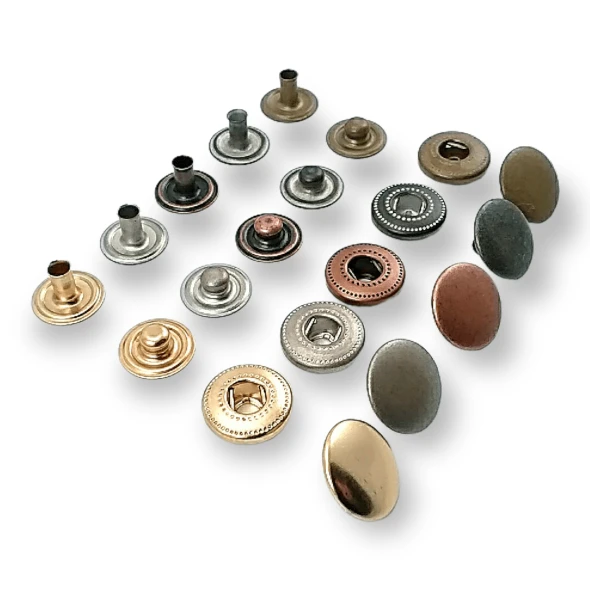
-no5-k0010%20(3).jpg-590x590.webp "Eyelets and Grommets")
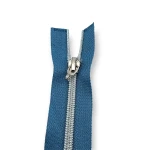
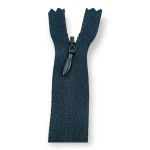
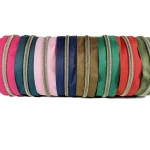
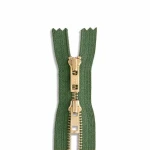
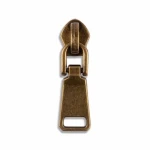
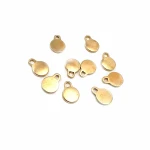
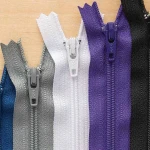
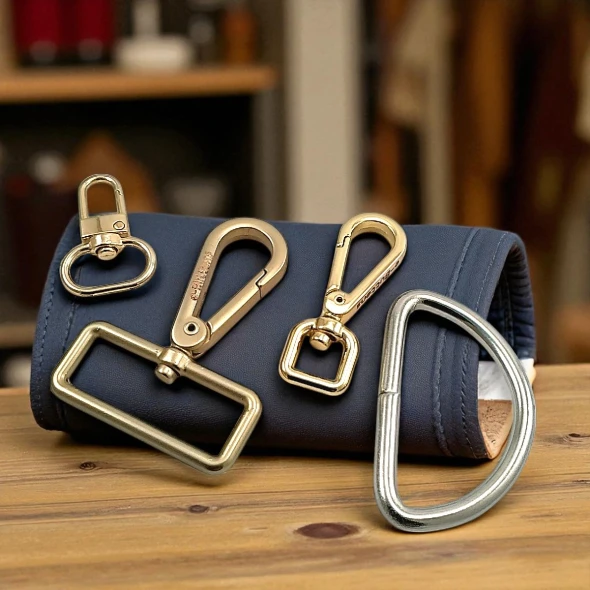
.jpg-590x590.webp "Rivets")
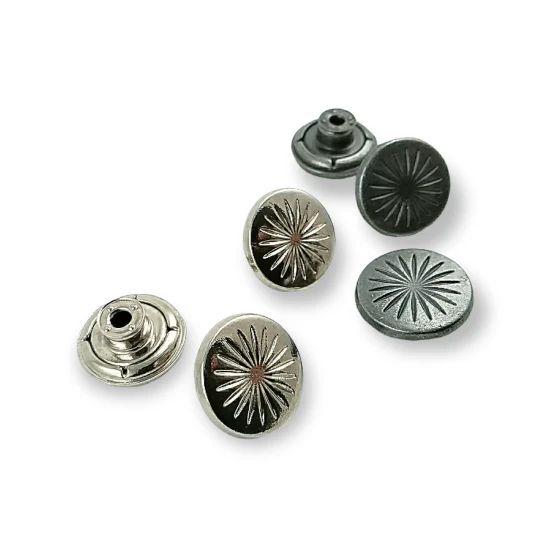
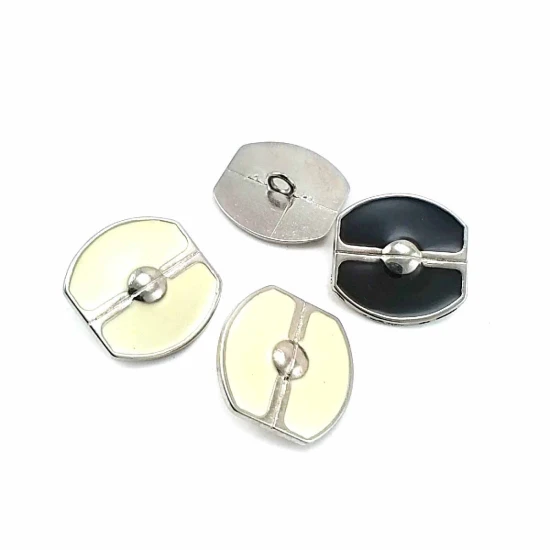
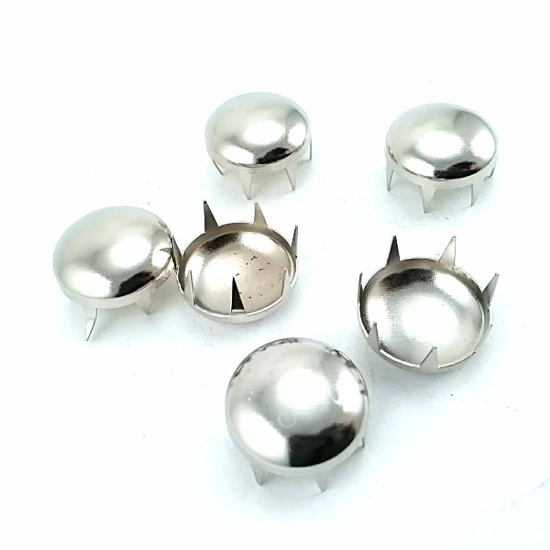
.jpg-100x100.webp "1 cm - 0,39\" Ring - Chain Link Ring 5000 pcs/ Pack A000H1")
.webp-100x100.webp "1 cm / 0.39 in Oval Eyelet Setting Die for Oval Grommet Installation KLPK0010OVLNO2")
.webp-100x100.webp "1–15 mm / 0.039–0.591 in Padova Hole Cutter Collection with 18 Cutter Sets and Long-Handle Striking Tool PDVSET0015EL")
.webp-100x100.webp "1.5 cm / 0.59 in Oval Eyelet Setting Die for Oval Grommet Installation KLPK0015OVLNO3")
.jpeg-100x100.webp "10 mm / 0.39 in Gold Zamak Bra Strap Slider and Ring Set, 500 Pairs PBT0006PROMO")
.webp-100x100.webp "10 mm / 0.39 in Inner Diameter Antique Brass-Tone Stainless Metal Eyelet Capsule, 250 pcs/Pack ER0024PPKAS")
.webp-100x100.webp "10 mm / 0.39 in Inner Diameter Antique Silver-Tone Stainless Metal Eyelet Capsule, 250 pcs/Pack ER0024PPKKO")
.webp-230x230.webp "2 cm / 0.79 in Slide-On Zamak Palaska Buckle – Custom Production SB 25690")
2 cm / 20 mm Slide-On Zamak Palaska Buckle
This slide-on zamak palaska buckle is a metal fastening component for 2 cm / 20 mm webbing, straps and belt-style connections. It can be used in bags, belts, workwear, accessories, pet-collar style products and textile strap systems where a compact metal..
1.31 USD
Ex Tax:1.09 USD
.webp-230x230.webp "Bandolier Buckle 2 cm / 0.78 in Snap-On Zamak Buckle Special Production SB 12426")
Snap-On Zamak Bandolier Buckle for 20 mm Webbing
This 2 cm / 0.78 in snap-on zamak bandolier buckle is designed for 20 mm webbing, belts, workwear straps, bag accessories and pet collar applications. The palaska-style structure helps secure the strap in a compact metal buckle body and gives the f..
0.60 USD
Ex Tax:0.50 USD
.webp-230x230.webp "Bandolier Buckle 2.5 cm / 1 in Snap-On Zamak Buckle Special Production SB 25692")
Snap-On Zamak Bandolier Buckle for 25 mm Webbing
This 2.5 cm / 1 in snap-on zamak bandolier buckle is used to connect and release strap ends in belts, uniforms, workwear, pet collars, bags and textile accessory products. The snap-on palaska structure provides a practical open-and-close fastening ..
1.68 USD
Ex Tax:1.40 USD
.webp-230x230.webp "Snap Plastic Bandolier Buckle 1 cm / 0.39 in Lock Snap Plastic Buckle AL005492")
Compact Snap Plastic Buckle for 11 mm Webbing
This 1 cm / 0.39 in snap plastic bandolier buckle is designed for small strap systems that need a practical open-and-close fastening function. It can be used on small bag straps, handbags, waist bags, mini sports bags, pet collars, belts, children’s s..
0.12 USD
Ex Tax:0.11 USD
.webp-230x230.webp "Plastic Bandolier Buckle 3 cm / 1.18 in Top Button Plastic Buckle H007012")
Top Button Plastic Buckle for Secure Strap Fastening
This 3 cm / 1.18 in plastic bandolier buckle is designed for strap systems that need a secure open-and-close fastening point. Its top button lock structure makes it suitable for backpacks, tactical belts, outdoor accessories, hiking gear, campi..
0.46 USD
Ex Tax:0.41 USD
.webp-230x230.webp "Bandolier Buckle 2.5 cm / 1 in Snap-On Plastic Buckle Special Production H009074SPC25")
Special Production Plastic Side-Release Buckle for 25.4 mm Webbing
This 2.5 cm / 1 in plastic side-release bandolier buckle is used to connect and release strap systems in bags, outdoor equipment, technical textile products, workwear and promotional accessories. The side-release locking mechanism..
0.33 USD
Ex Tax:0.30 USD
.webp-230x230.webp "Bandolier Buckle 2 cm / 0.79 in Snap-On Plastic Buckle Special Production H009074SPC")
Special Production Plastic Side-Release Buckle for 20 mm Webbing
This 2 cm / 0.79 in plastic side-release bandolier buckle is used to connect and release strap systems in bags, outdoor equipment, technical textile products, workwear, promotional products and functional textile accessories. The si..
0.26 USD
Ex Tax:0.24 USD
.webp-230x230.webp "5 cm / 1.97 in Top-Lock Plastic Side-Release Bandolier Buckle A000PL5")
5 cm / 1.97 in Top-Lock Plastic Side-Release Buckle
This top-lock plastic side-release bandolier buckle is a fastening component for 5 cm / 50 mm webbing, straps and belt-style textile connections. It is used where a strap needs to be opened, closed and adjusted as part of a bag, belt, workwear, ..
0.31 USD
Ex Tax:0.28 USD
.webp-230x230.webp "Snap Plastic Buckle 1 cm / 0.4 in Plastic Bandolier Buckle H009070")
Compact Plastic Bandolier Buckle for 10.6 mm Webbing
This 1 cm / 0.4 in plastic bandolier buckle is designed for light strap systems that need a practical open-and-close fastening point. It can be used on small bags, shoes, promotional products, printed items, textile accessories, jackets, coats,..
0.13 USD
Ex Tax:0.12 USD
.webp-230x230.webp "1.5 cm / 0.59 in Plastic Bandolier Buckle Snap Plastic Buckle H009071")
Compact Plastic Bandolier Buckle for 15.4 mm Webbing
This 1.5 cm / 0.59 in plastic bandolier buckle is designed for light strap systems that need a practical open-and-close fastening point. It can be used on small bags, shoes, promotional products, printed items, textile accessories, jackets, coa..
0.13 USD
Ex Tax:0.12 USD
.webp-230x230.webp "4 cm / 1.57 in Snap Bandolier Buckle Snap Plastic Buckle H005503")
Plastic Snap Bandolier Buckle for 40 mm Webbing
This 4 cm / 1.57 in plastic snap bandolier buckle is designed for wider strap systems that need a practical open-and-close fastening point. It can be used on bags, backpacks, school bags, work bags, sports bags, belts, aprons, workwear, tarpaulins, ..
0.23 USD
Ex Tax:0.21 USD
.png-230x230.webp "Snap Plastic Buckle 3 cm / 1.18 in Plastic Bandolier Buckle H007001")
Plastic Snap Buckle for 28.5 mm Webbing
This 3 cm / 1.18 in plastic bandolier buckle is used to create an open-and-close fastening point in strap-based products. It is suitable for bags, backpacks, school bags, work bags, sports bags, belts, aprons, workwear, tarpaulins, promotional products and ..
0.15 USD
Ex Tax:0.13 USD
.webp-230x230.webp "Plastic Bandolier Buckle 2 cm / 0.79 in Snap-On Plastic Buckle for Bags and Webbing H009074")
Plastic Snap-On Bandolier Buckle for Strap Systems
This 2 cm / 0.79 in plastic bandolier buckle is designed to connect and release strap ends in bags, backpacks, work bags, belts, aprons, tarpaulins and textile accessory products. It creates a practical open-and-close fastening point for webbing-..
0.14 USD
Ex Tax:0.13 USD
.webp-230x230.webp "Side-Release Buckle 2.5 cm / 1 in Curved Plastic Snap Buckle for Bags and Webbing AL00010")
What Is a 2.5 cm / 1 in Curved Plastic Side-Release Buckle Used For?
A 2.5 cm / 1 in curved plastic side-release buckle is used to connect and release two strap ends in a webbing system. It is suitable for bags, backpacks, school and work bags, belts, aprons, workwear, promotional products, tarpa..
0.13 USD
Ex Tax:0.12 USD
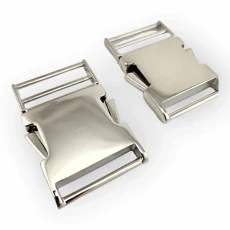
This product, known in the market as the snap buckle (bandolier buckle), is used functionally in different sectors such as belt parts of clothes, camouflage, work clothes and pet collars. Please contact us for your special color and brand work requests.
Belt Usage Width: 4 cm / 40 mm
Buckle Oute..
7.26 USD
Ex Tax:6.60 USD
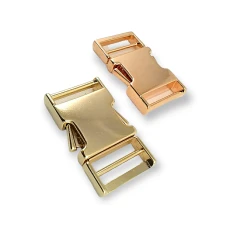
This product, known in the market as the snap buckle (bandolier buckle), is used functionally in different sectors such as belt parts of clothes, camouflage, work clothes and pet collars. Please contact us for your special color and brand work requests.
Belt Usage Width: 2 cm / 20.2 mm
Buckle Ou..
2.97 USD
Ex Tax:2.70 USD