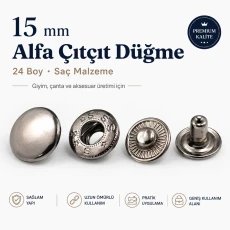
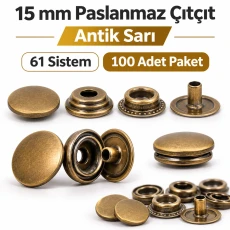
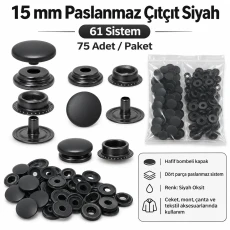
Curved Snaps Buttons and Domed Snap Fasteners
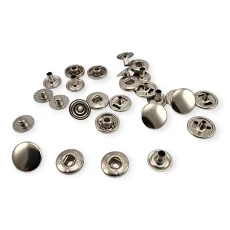
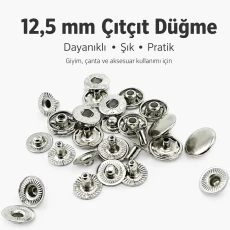
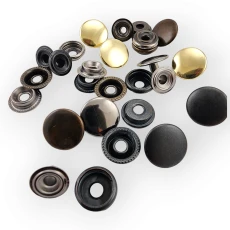
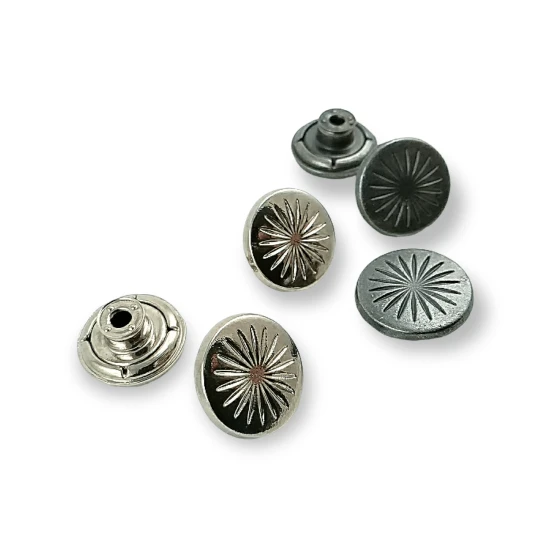
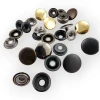
Curved snaps buttons, also known as domed snap fasteners or half dome snap buttons, are practical closure components used in garments, jackets, coats, bags, leather goods, home textiles, craft projects and accessory applications. Their slightly raised cap shape creates a rounder, fuller and more decorative appearance compared with flat snap button styles.
In the E-Düğme curved snaps buttons category, buyers can compare different snap systems such as 54 System, 61 System, Alpha, Deluxe series, magnetic curved snaps, coin type snap fasteners and double cap snap fasteners. Depending on the product model, material options may include brass, stainless steel, iron, steel, zamak, zinc alloy or plastic cap structures. A single material or system claim should not be made for the entire category because the cap, socket, stud and bottom parts may vary by product.
What Are Curved Snap Buttons?
A curved snap button is a snap fastener with a slightly raised or rounded visible cap. This cap form gives the finished product a fuller and more accessory-like closure detail. Curved snap buttons can be used on shirts, jackets, coats, bags, wallets, leather goods, children’s clothing, home textiles, craft projects and decorative closure points.
The curved cap shape is only one part of the selection process. The working system, material, bottom parts, size and application surface should also be checked before ordering. Two snap buttons with a similar cap diameter may have different systems, different materials or different setting die requirements.
Types of Curved Snap Buttons
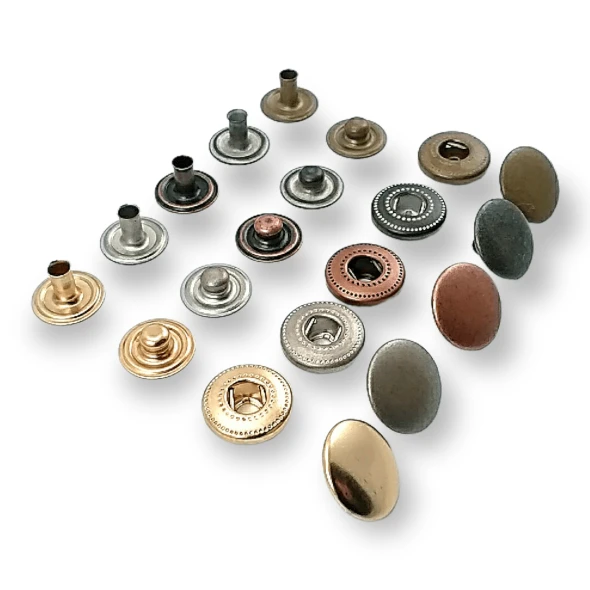
The curved snap category includes more than one product structure. Some products are 54 System curved snaps for garments and light textiles. Some are 61 System or Alpha snap buttons for outerwear, bags and stronger closure points. Deluxe series curved snaps may have a more distinctive cap form and system structure. Magnetic curved snaps, coin type curved snaps and double cap snap fasteners can also be selected depending on the application.
| Curved Snap Type |
Typical Application |
Selection Note |
| 54 System Curved Snap Buttons |
Garments, shirts, children’s clothing, home textiles, bags and light accessories |
Suitable for light to medium applications; size, material and die compatibility should be checked. |
| 61 System Curved Snap Buttons |
Coats, jackets, workwear, canvas, bags and thicker textile products |
Can be evaluated when a firmer closure feel is required. |
| Alpha Curved Snap Buttons |
Jackets, coats, denim shirts, bags, leather goods and outdoor textile products |
Alpha system products should be matched with the correct application die. |
| Deluxe Series Curved Snap Buttons |
Outerwear, leather goods, bags, premium accessories and professional garment projects |
Series number, cap form and matching setting die should be checked on the product page. |
| Magnetic Curved Snap Buttons |
Bags, wallets, flap accessories and magnetic closure applications |
Magnetic structure, flap weight and mounting method should be evaluated together. |
| Double Cap Snap Fasteners |
Textile, bag and accessory products where both sides may remain visible |
Visible side, mounting direction and working system should match the product design. |
How to Choose Curved Snap Button Size
Size affects both the appearance and the application area of a curved snap button. Smaller sizes can be used for shirts, children’s clothing, light textiles and compact accessories. 12 mm / 0.47 in, 12.5 mm / 0.49 in and 15 mm / 0.59 in sizes are common for garments, bags, jackets and general textile applications. Larger sizes such as 17 mm / 0.67 in, 18 mm / 0.71 in, 20 mm / 0.79 in, 25 mm / 0.98 in and 30 mm / 1.18 in can be evaluated for outerwear, canvas, bags and more visible closure points.
| Size Group |
Typical Application |
Selection Tip |
| 6 mm - 11 mm / 0.24 in - 0.43 in |
Wallets, card holders, small accessories, bodysuits, shirts and light textiles |
For compact closure points, check the working system and setting die carefully. |
| 12 mm - 12.5 mm / 0.47 in - 0.49 in |
Shirts, children’s clothing, accessories, bags, light textiles and craft projects |
Can be considered when a small to medium domed cap appearance is needed. |
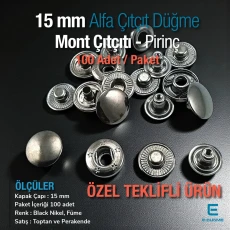
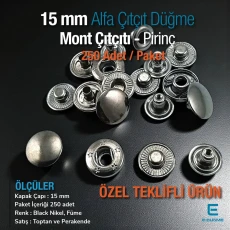
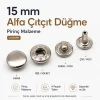
| 15 mm / 0.59 in / 24L |
Garments, jackets, coats, bags, home textiles, workwear and general textile projects |
One of the key commercial sizes; working system information should be checked. |
| 16 mm - 18 mm / 0.63 in - 0.71 in |
Outerwear, leather goods, bags, thicker textiles and accessories |
Can be selected when a more visible cap and firmer closure feel are required. |
| 19 mm - 20 mm / 0.75 in - 0.79 in |
Bags, canvas, outdoor textiles, leather goods and visible closure points |
Surface thickness, press force and application tool compatibility should be evaluated together. |
| 25 mm - 30 mm / 0.98 in - 1.18 in |
Large cap designs, canvas, bags, outdoor products and decorative applications |
Large sizes require a matching die and controlled installation method. |
Curved Snap Buttons vs. Coin Type Snap Fasteners
The main difference between curved snap buttons and coin type snap fasteners is the visible cap form. Curved snap buttons have a more rounded and raised cap. Coin type snap fasteners have a flatter and simpler cap appearance. Both product groups should be selected according to size, material, working system, surface thickness and application method.
| Comparison Point |
Curved Snap Buttons |
Coin Type Snap Fasteners |
| Cap Appearance |
Rounded, raised and more visible cap form. |
Flatter, simpler and more minimal cap form. |
| Design Effect |
Creates a fuller and more accessory-like closure detail. |
Creates a cleaner and more understated closure appearance. |
| Typical Use |
Garments, bags, jackets, coats, outerwear, craft and accessory projects. |
Bags, wallets, leather goods, accessories and flat cap textile applications. |
Material and Finish Selection
Curved snap buttons may be available in brass, stainless steel, iron, steel, zamak, zinc alloy, plastic cap or mixed part structures depending on the product model. For this reason, all curved snap buttons should not be described with one single material. Before ordering, the material type, bottom parts, cap form, working system and package content should be checked on the individual product page.
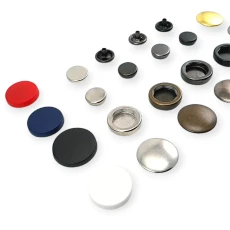
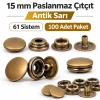
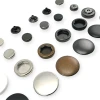
Finish colours may include free nickel, black nickel, gold, antique brass, gun metal, black, white, antique silver and other colour options depending on the product. Gold and antique brass finishes can create a classic appearance on leather goods and bags. Free nickel, black nickel, gun metal and antique silver finishes can be suitable for modern, darker or more technical garment designs.
Plastic Cap and Metal Bottom Part Curved Snaps
Some curved snap models may have a plastic visible cap, while the bottom connection parts may be made from brass, stainless steel, iron or sheet metal depending on the product model. Therefore, plastic cap curved snap buttons should not automatically be considered fully plastic snap fasteners. The top cap material and bottom 3 parts material should be checked separately.
Plastic cap curved snaps can be evaluated for colour-matched jackets, children’s garments, shirts, bodysuits, home textiles and bag applications. Cap colour, bottom parts material, working system and setting die compatibility should be reviewed before ordering.
Setting Die and Application Tool Compatibility
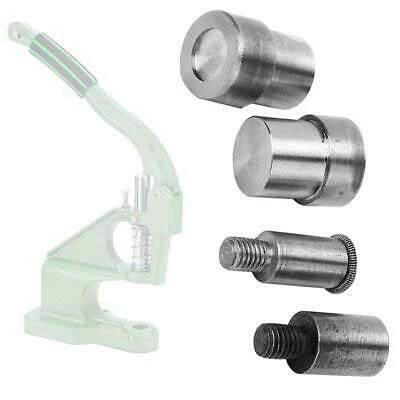
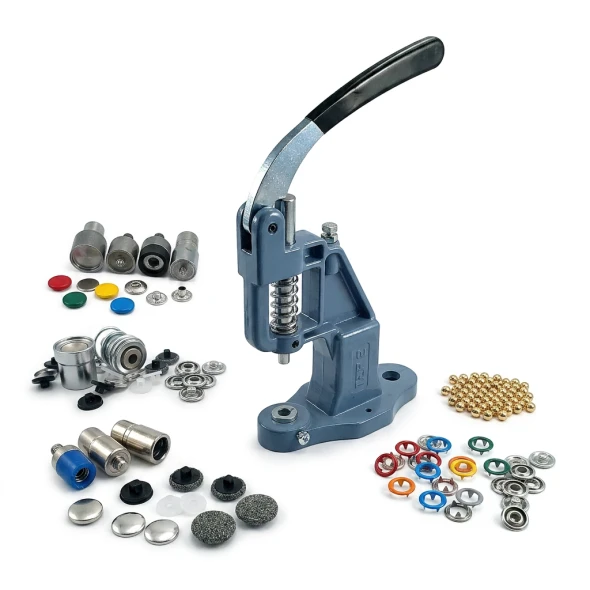
Curved snap buttons should be installed with a setting die that matches the product size, working system and cap form. 54 System, 61 System, Alpha, Deluxe, magnetic, coin type and double cap snap fasteners should not be treated as one universal application system. The cap, socket, stud and bottom parts must be aligned correctly during installation.
For compatible molds, dies and application equipment, visit the setting dies, fastening molds and application tools category. Depending on the product group and production volume, curved snap button dies can be used with hand striking tools, hand presses, impact presses, electric machines or pneumatic machines.
Related Snap Fastener Categories
For a broader comparison of snap button types, visit the snap fasteners and snap buttons category. For premium outerwear, leather goods and bag applications, Deluxe series snap buttons can also be evaluated. Coin type, coat, plastic cap, magnetic, prong, stainless, brass, iron and zinc alloy snap fastener groups may be compared according to project type, surface thickness and desired closure appearance.
Wholesale and Retail Curved Snap Buttons
E-Düğme offers curved snap buttons for garment manufacturers, bag makers, leather workshops, outerwear producers, craft suppliers, home textile producers and textile accessory buyers. Different sizes, finishes, working systems and pack options allow buyers to select the correct snap fastener for small production, workshop use or wholesale purchasing.
When buying wholesale curved snap buttons, unit price should not be the only criterion. Size consistency, finish continuity, material information, system compatibility, die availability and repeat supply should also be reviewed. The correct curved snap button improves the closure function, visual balance and professional finish of garments, bags, jackets, coats, leather goods and accessory products.
System and product comparison
| Family | Size examples | Construction |
|---|
| 54 system domed | 10 to 30 mm | Brass, selected steel and stainless models |
| 61 system | 15 mm | Stainless, brass and steel examples |
| Alpha | 15 and 17 mm | Steel, brass, stainless and selected plastic caps |
| Deluxe | 12.5 / 15 mm and other coat sizes | Brass series and Italian-style cap options |
| VT2 mini | 6 to 11 mm | Mini brass and stainless variants |
| Magnetic | 12.5, 15, 18 mm | Magnetic closing mechanism |
| Lower three parts | 54 system | Sold without cap |
Models, sizes and fitting advice
The 54 system for everyday garment closures
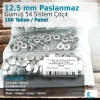
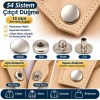
In the brass 54 system family, the visible cap is available in a broad selection of nominal diameters, from 11.5 mm through to 30 mm on different listings. This makes it easier to compare a small detail on a shirt with a larger rounded cap on a jacket or bag flap. The 54 system still describes the actual fastening mechanism. It must be paired with components intended for that system, even where another cap looks the same. Choose the diameter on a finished sample, then compare the material, finish and selling quantity for the chosen product code. If the item is for an existing garment, keep an original component available to help match the fitting.
61 system snaps and the 15 mm range
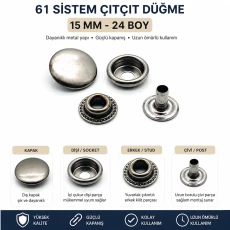
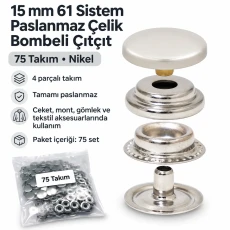
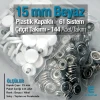
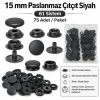
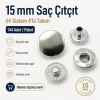
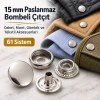
Several of the 61 system products have a 15 mm visible cap. The category contains stainless steel, brass and steel variations, with some steel items listed in 144-set packages and selected stainless versions in smaller packs. The 61 system is separate from the 54 system, and that difference applies to the matching parts and installation method. For a coat opening, select the right parts as a complete assembly and make a sample using the same lining and reinforcement as the finished item. Check the front face after pressing for visible dents, then test the socket and stud through repeated fastening and release. A cap of the same size from another system should not be substituted without verified compatibility.
Alpha snaps for garments and accessories
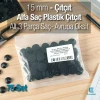
The Alpha range includes 15 mm fasteners in more than one material, together with selected 17 mm stainless options. Some listings describe steel or brass metal bodies; others specify stainless components or a plastic cap. Do not use the term Alpha to infer that every item has the same material or pack quantity. These products may suit jacket fronts, textile accessories and other projects that need a rounded metal fastening, provided the actual fabric holds the setting securely. A 75-set stainless Alpha pack and a different 144-unit metal version have different purchasing implications. Use the product number and complete set description to choose the right one and keep the die model with the production record.
Deluxe coat snaps and Italian-style caps
Deluxe coat snap fasteners include brass PR-series designs, Italian-style 1200 products and the separately named 501, 503 and 884 families. The material of the cap should be distinguished from the material of the three working pieces. Stainless-capped and zinc-alloy-capped alternatives can appear under closely related series names. This is particularly important when ordering a matching finish for a coat collection. Compare the actual cap silhouette with the fabric and check the specific series before choosing the installation die. The 501 range has a larger configuration than the 503 family, so their product codes should remain distinct. A 15 mm cap alone does not tell the whole story.
Choosing between 501, 503 and 884
The Deluxe 501 line includes a 15 mm stainless-cap model. The 503 range offers smaller configurations with 12.5 mm and 15 mm cap choices on selected listings. The 884 is a further Italian-style family with its own cap options. Each model has a corresponding arrangement of mating components. If an existing jacket uses a 503 model, replacing only the visible part with a cap from another series may cause a fitting mismatch. For new production, compare the complete sample of each candidate. Note the specific cap material, finished appearance and fastening parts before placing a bulk order. The same advice applies to the zinc-alloy cap variants.
Mini VT2 closures
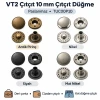
Small accessories often have too little space for an ordinary coat snap. The VT2 range offers compact brass styles at 6, 7, 8 and 11 mm, with a 10 mm stainless example also listed. Wallet tabs, small textile pockets and narrow straps may be suitable projects to test these fasteners. Their reduced visible diameter does not guarantee that an unsupported fabric can hold the attachment. Check the material around the mounting point and allow enough clearance for the tool. Use the matching VT2 components and fitting equipment. If replacing an existing mini snap, measure it accurately and check the closure mechanism before choosing a similar-looking item from a different family.
Magnetic and mechanical snap differences
Some raised-cap products in the category are magnetic. They close through magnetic attraction and follow a separate construction from mechanical 54 system, 61 system and Alpha snap buttons. Brass domed magnetic options appear in nominal sizes including 12.5, 15 and 18 mm. A magnetic snap should be chosen for a project that specifically needs that closing action. Check the mating component sizes, attachment and setting requirements in its own listing. The diameter of a cap is not a measured statement about its holding force. If a handbag or garment needs a particular closing feel, test the complete magnetic assembly on the actual material and opening.
Plastic caps with metal mechanisms
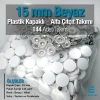
Plastic-cap products are listed alongside the metal domed snap range. Some use a coloured plastic visible top with steel or stainless lower pieces. They are therefore different from closures manufactured wholly from plastic. A plain black plastic cap and a black plated metal cap can produce different results against the same fabric. Choose the design according to the appearance needed and confirm the materials in the individual product description. For repeat production, keep the exact plastic colour and model code. Also check whether the required colour is a stocked variant or a separately ordered finish. The compatible snap system remains as important as the colour choice.
Lower three components are not complete snaps
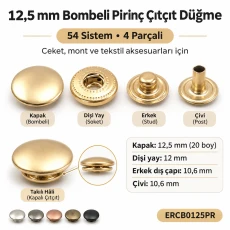
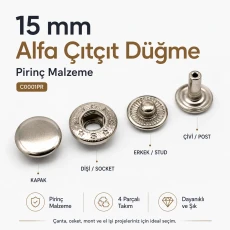
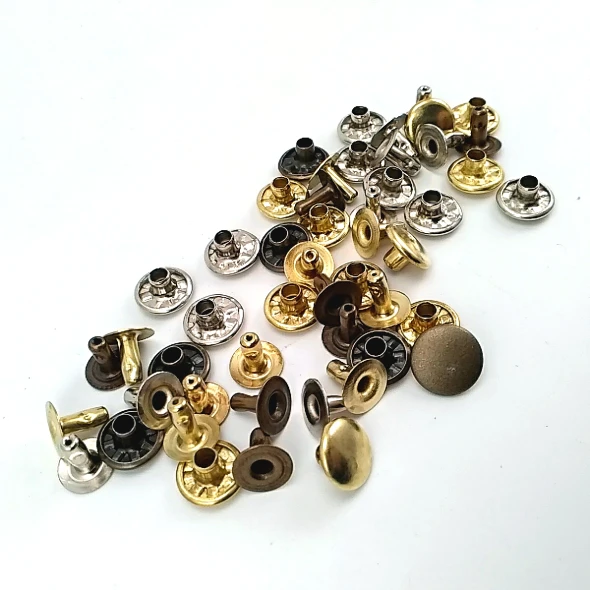
A conventional four-part snap contains a cap, socket, stud and post. Some products in this category are sold as the three working components without a visible top cap. These packs are useful when a workshop needs matching lower pieces, but they cannot be counted as complete closures by themselves. Several lower-part listings specify steel, brass or stainless options in particular finishes. A product named as a 54 system lower three-part pack should only be matched to an appropriate 54 system cap. Check the pack's unit and the existing cap before ordering. This distinction matters when calculating the number of finished garment fastening positions.
Cap shape and material selection
A rounded or lightly domed cap is visible from the side of the finished garment. This makes the cap shape a design choice as well as part of the setting-tool requirement. Brass, stainless steel and steel options can have different available coatings, and some Deluxe caps use zinc alloy. The appearance alone cannot identify the metal underneath. Check the exact material description for the selected product. For a black jacket, a nickel cap and a gunmetal cap create different contrast; either may work depending on the rest of the hardware. Compare a physical sample under normal lighting before ordering hundreds of identical closures.
Nickel, gunmetal and black oxide finishes
Nickel is a silver-coloured finish. Gunmetal is also described as Black Nickel in this catalogue, while black oxide is offered separately on selected products. Gold and antique brass colours appear across certain families. Not every finish is available for every cap diameter or system. When a clothing range has zip pulls, rings and buckles in the same finish, compare the metal samples together. A colour photograph is useful for initial selection, but can differ from the physical result. Save the product code, finish and approved sample for repeat orders so that a later purchase is not made by colour name alone.
Understanding the diameter
The number in a snap name usually draws attention to the visible cap, but different components in a snap set can measure differently. This is especially important when the cap is part of a specialised Deluxe or magnetic mechanism. For international size comparison, 10 mm is about 0.39 in, 12.5 mm about 0.49 in, 15 mm about 0.59 in, 17 mm about 0.67 in, 18 mm about 0.71 in, 20 mm about 0.79 in and 25 mm about 0.98 in. These are rounded cap-diameter conversions, not measurements of the post length. The product's millimetre dimensions remain the primary reference.
Choosing snaps for a coat
A coat front contains more than the visible outer fabric. Interfacing, seams and lining may add layers at the attachment point. The cap should fit the intended design without pulling at the edge or interfering with a nearby zip. Start by marking the fastener positions on the completed garment panel. Fit a sample with a matching die, then check both the visible face and the mating mechanism. Open and close it several times. If the material puckers or the metal face tips to one side, review the position and attachment method. A larger cap may look appropriate for a coat, but its fitting still needs to suit the total material thickness.
Shirts, wallets and small textile accessories
Lightweight garments and small accessory flaps need an appropriately sized closure and enough fabric support. The 54 system range includes smaller cap sizes, while the VT2 group offers even more compact options. The fastening should be easy to use without placing excessive stress on the material. On a shirt placket, consider the distance from the stitched edge. On a wallet tab, check the leather layers and room for the die. For children's garments, ensure the completed article meets its applicable attachment safety requirements. Make a sample in the planned fabric and inspect it after repeated opening before selecting a production quantity.
Setting die selection
A setting die supports the domed cap and forms the connection between the working pieces. The correct die depends on the system, diameter, cap profile and press interface. A flat-cap die may not support a raised face properly, and an Alpha fitting should not automatically be used for a 61 system product. Check the tool specification against the original product model. Install one complete set on a production material sample and inspect both faces. If the cap is marked, the stud sits crooked or the fabric bunches, stop and review the equipment. Increasing pressure will not compensate for the wrong die or parts.
Counting sets before ordering
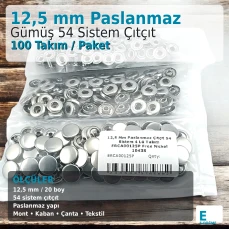
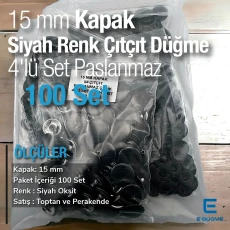
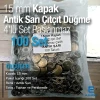
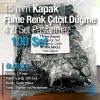
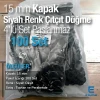
Package sizes depend on the exact model. Selected Alpha and 61 system products are listed in 75-set packs, some stainless variations in 100-set packs, steel styles in 144-set packs and certain Deluxe lines in larger quantities. A four-part set normally provides one completed fastening position. If a jacket needs six snaps and the order is for 80 jackets, the basic requirement is 480 complete sets, excluding samples and spares. If the selected item is sold in 250-set packs, two packs would cover that base quantity. A lower three-part pack is different because it does not include the cap. Read each product's selling unit before calculating.
Replacing an old snap
To repair an existing jacket or bag, examine both halves of the damaged snap. Measure the cap and identify the closing system wherever possible. A 15 mm Alpha, a 15 mm 61 system and a 15 mm Deluxe snap may look similar on the outer face but use different parts. If a matching component is unavailable, replacing the complete snap can be more practical than mixing unrelated pieces. The surrounding fabric must also be sound enough for a new fitting. Save the original model information when available; it can prevent another mismatch during a later repair.
A practical buying order
Decide which fastening system your garment needs before choosing a cap finish. Compare the visible diameter with the completed product, then choose a suitable material and colour. Check the quantity of complete sets in the exact listing and match the corresponding die. If the item is intended for a coat or bag, install a sample in the final material layers and assess its closing feel. Keep the sample with the product code for repeat orders. This approach is useful across brass 54 system snaps, Alpha or 61 system items and specialised Deluxe designs without treating them as interchangeable.
Frequently Asked Questions
What are curved snap buttons?
Curved snap buttons are snap fasteners with a slightly raised or rounded visible cap. They are used in garments, bags, jackets, coats, leather goods, home textiles and accessory applications.
What is the difference between curved snap buttons and coin type snap fasteners?
Curved snap buttons have a rounded and raised cap appearance. Coin type snap fasteners have a flatter and simpler cap form.
Where are 15 mm / 0.59 in curved snap buttons used?
15 mm / 0.59 in curved snap buttons can be used in garments, jackets, coats, bags, home textiles, workwear and general textile applications. The working system and compatible setting die should be checked before use.
Which materials can curved snap buttons be made from?
Depending on the product model, curved snap buttons may be made from brass, stainless steel, iron, steel, zamak, zinc alloy or plastic cap structures. Product-level material information should always be checked.
Are plastic cap curved snap buttons fully plastic?
Not always. Some plastic cap curved snap buttons have a plastic visible cap while the bottom parts may be brass, stainless steel, iron or sheet metal depending on the product model.
Do curved snap buttons require a setting die?
Yes. Press-fit curved snap buttons should be installed with a setting die that matches the size, working system and cap form. 54 System, 61 System, Alpha and Deluxe products may require different dies.
E-Düğme Curved Snaps Buttons Category
In the E-Düğme curved snaps buttons category, buyers can compare 54 System, 61 System, Alpha, Deluxe, magnetic, coin type, double cap, stainless, brass, iron, steel, plastic cap and zamak curved snap button options in different sizes, finishes and pack alternatives. With the correct size, correct working system and compatible setting tool, garments, bags, jackets, coats, leather goods, home textiles and accessory applications can achieve a cleaner and more professional closure result.
%20(7).webp-230x230.webp "10 mm Snap Fastaners 16L / 25/64")