


.jpg-40x40.webp "Water-Repellent Jacket Zippers")


.jpg-40x40.webp "Round Braided Elastic Cord")

.png-40x40.webp "Enameled Buttons")


.png-40x40.webp "Two Hole Sewing Buttons")


.png-40x40.webp "Bag Making Kits")

.png-40x40.webp "Continuous Zipper Sets")

.jpg-40x40.webp "Bra Underwires")



-no5-k0010%20(3).jpg-590x590.webp "Eyelets and Grommets")
.jpg-590x590.webp "Rivets")
Zippers
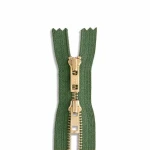
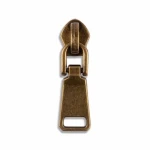
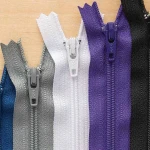
We produce zipper accessories custom to your brand, with logo pulls, custom shapes and a range of plating options.
 Snap Fastener
.jpg-40x40.webp "Magnetic Snaps Buttons") Magnetic Snaps Buttons0
Magnetic Snaps Buttons0
 Coin Type Snap Fasteners0
.jpg-40x40.webp "Prong Snap Fasteners for Baby Clothes") Prong Snap Fasteners for Baby Clothes0
Prong Snap Fasteners for Baby Clothes0
 Plastic Snap Fasteners0
 Brass Snap Fasteners0
 Wallet Snaps Buttons - VT2 Snaps Buttons0
.jpg-40x40.webp "Curved Snaps Buttons") Curved Snaps Buttons0
Curved Snaps Buttons0
 Stainless Snap Fasteners0
 Deluxe Series Snap Buttons0
 Coat Snap Buttons0
 Sew-On Snap Fasteners0
 Snap Fasteners - Iron Metal0
 Zinc Alloy Snap Fasteners0
 Hidden Snap Fasteners0
.jpg-40x40.webp "Snap Fasteners Half Dome type") Snap Fasteners Half Dome type0
Snap Fasteners Half Dome type0
-no5-k0010%20(3).jpg-40x40.webp "Eyetlets") Eyetlets
Eyetlets
 Stainless Steel Eyelets0
 Brass Eyelets0
 Domed Brass Eyelets and Grommets0
 Oval Eyelets and Grommets0
 Pleated Fly Screen and Pleated Blind Eyelets0
-K0014.png-40x40.webp "Steel Eyelets and Iron Metal Grommets") Steel Eyelets and Iron Metal Grommets0
Steel Eyelets and Iron Metal Grommets0
 Plastic Eyelets and Grommets0
.jpg-40x40.webp "Flat Brass Eyelets and Grommets") Flat Brass Eyelets and Grommets0
Flat Brass Eyelets and Grommets0
 Double-Sided Eyelets0
.jpg-40x40.webp "Aluminum Eyelets and Grommets") Aluminum Eyelets and Grommets0
Aluminum Eyelets and Grommets0
 Zamak Zinc Alloy Eyelets and Grommets0
 Coin Type Eyelets0
Contoured Brass Eyelets and Grommets0
Coin Type Eyelets0
Contoured Brass Eyelets and Grommets0
 Long Barrel Eyelets and Grommets0
 Mesh Eyelets and Ventilation Grommets0
 Short Barrel Eyelets and Grommets0
.jpg-40x40.webp "Galvanized Eyelets and Grommets") Galvanized Eyelets and Grommets0
Galvanized Eyelets and Grommets0
 Narrow-Edged Eyelets0
 Application Mold
Snap Fasteners Installation Tools and Dies0
Application Mold
Snap Fasteners Installation Tools and Dies0
 Grommet Dies & Setting Tools0
Setting Tools and Machines0
Grommet Dies & Setting Tools0
Setting Tools and Machines0
.jpg-40x40.webp "Hole Cutter Tools and Punching Dies") Hole Cutter Tools and Punching Dies0
Hole Cutter Tools and Punching Dies0
 Rivet Assembly Tools0
.jpg-40x40.webp "Grommet Punching Dies") Grommet Punching Dies0
Grommet Punching Dies0
 Fabric Covered Button Tools0
 Jeans Button Assembly Tools0
 Pearl Mounting Accessories0
 Trouser and Skirt Hook and Bar Assembly Patterns0
.jpg-40x40.webp "Pearls Types") Pearls Types
Pearls Types
 Fabric Covered Buttons
.jpg-40x40.webp "Rivets") Rivets
Rivets
 Jeans Buttons
 Zippers
 Zipper Pullers
.jpg-40x40.webp "Tires") Tires
Tires
 Buttons
 Stopers - CordEnd
 Buckles
.jpg-40x40.webp "Carabiner Clips, Snap Hooks and Bag Hooks") Carabiner Clips, Snap Hooks and Bag Hooks0
Carabiner Clips, Snap Hooks and Bag Hooks0
 D Rings, O Rings and Strap Adjustment Buckles0
 Pin Buckles, Center Bar Buckles, Belt and Bag Strap Buckles0
 Locking Rings and Openable Metal Rings0
-PhotoRoom.png-40x40.webp "Spring Rings, Key Rings and Snap Clamps") Spring Rings, Key Rings and Snap Clamps0
Spring Rings, Key Rings and Snap Clamps0
 Side Release Buckles and Slide Adjusters0
 Coat, Jacket and Garment Hanger Chains0
 Hook and Bar Closure Clasp No Sew0
.png-40x40.webp "Hook and Eye Closures Sew-On") Hook and Eye Closures Sew-On0
Hook and Eye Closures Sew-On0
 Metal Labels
 Brooch Types
 Ornamental Trowels
 Clearance Sale
 Ready-Made Kits
Buckles
Carabiner Clips, Snap Hooks and Bag Hooks0
D Rings, O Rings and Strap Adjustment Buckles0
Pin Buckles, Center Bar Buckles, Belt and Bag Strap Buckles0
Locking Rings and Openable Metal Rings0
Spring Rings, Key Rings and Snap Clamps0
Side Release Buckles and Slide Adjusters0
Coat, Jacket and Garment Hanger Chains0
Hook and Bar Closure Clasp No Sew0
Hook and Eye Closures Sew-On0
Zippers Types
Snap Fasteners & Snap Buttons
Magnetic Snaps Buttons0
Coin Type Snap Fasteners0
Prong Snap Fasteners for Baby Clothes0
Plastic Snap Fasteners0
Brass Snap Fasteners0
Wallet Snaps Buttons - VT2 Snaps Buttons0
Curved Snaps Buttons0
Stainless Snap Fasteners0
Deluxe Series Snap Buttons0
Coat Snap Buttons0
Sew-On Snap Fasteners0
Snap Fasteners - Iron Metal0
Zinc Alloy Snap Fasteners0
Hidden Snap Fasteners0
Snap Fasteners Half Dome type0
Eyelets & Grommets
Stainless Steel Eyelets0
Brass Eyelets0
Domed Brass Eyelets and Grommets0
Oval Eyelets and Grommets0
Pleated Fly Screen and Pleated Blind Eyelets0
Steel Eyelets and Iron Metal Grommets0
Plastic Eyelets and Grommets0
Flat Brass Eyelets and Grommets0
Double-Sided Eyelets0
Aluminum Eyelets and Grommets0
Zamak Zinc Alloy Eyelets and Grommets0
Coin Type Eyelets0
Contoured Brass Eyelets and Grommets0
Long Barrel Eyelets and Grommets0
Mesh Eyelets and Ventilation Grommets0
Short Barrel Eyelets and Grommets0
Galvanized Eyelets and Grommets0
Narrow-Edged Eyelets0
Tools - Dies and Molds
Snap Fasteners Installation Tools and Dies0
Grommet Dies & Setting Tools0
Setting Tools and Machines0
Hole Cutter Tools and Punching Dies0
Rivet Assembly Tools0
Grommet Punching Dies0
Fabric Covered Button Tools0
Jeans Button Assembly Tools0
Pearl Mounting Accessories0
Trouser and Skirt Hook and Bar Assembly Patterns0
Fabric Covered Buttons
Mounted Pearl Varieties
Ready-Made Kits
Buckles
Carabiner Clips, Snap Hooks and Bag Hooks0
D Rings, O Rings and Strap Adjustment Buckles0
Pin Buckles, Center Bar Buckles, Belt and Bag Strap Buckles0
Locking Rings and Openable Metal Rings0
Spring Rings, Key Rings and Snap Clamps0
Side Release Buckles and Slide Adjusters0
Coat, Jacket and Garment Hanger Chains0
Hook and Bar Closure Clasp No Sew0
Hook and Eye Closures Sew-On0
Zippers Types
Snap Fasteners & Snap Buttons
Magnetic Snaps Buttons0
Coin Type Snap Fasteners0
Prong Snap Fasteners for Baby Clothes0
Plastic Snap Fasteners0
Brass Snap Fasteners0
Wallet Snaps Buttons - VT2 Snaps Buttons0
Curved Snaps Buttons0
Stainless Snap Fasteners0
Deluxe Series Snap Buttons0
Coat Snap Buttons0
Sew-On Snap Fasteners0
Snap Fasteners - Iron Metal0
Zinc Alloy Snap Fasteners0
Hidden Snap Fasteners0
Snap Fasteners Half Dome type0
Eyelets & Grommets
Stainless Steel Eyelets0
Brass Eyelets0
Domed Brass Eyelets and Grommets0
Oval Eyelets and Grommets0
Pleated Fly Screen and Pleated Blind Eyelets0
Steel Eyelets and Iron Metal Grommets0
Plastic Eyelets and Grommets0
Flat Brass Eyelets and Grommets0
Double-Sided Eyelets0
Aluminum Eyelets and Grommets0
Zamak Zinc Alloy Eyelets and Grommets0
Coin Type Eyelets0
Contoured Brass Eyelets and Grommets0
Long Barrel Eyelets and Grommets0
Mesh Eyelets and Ventilation Grommets0
Short Barrel Eyelets and Grommets0
Galvanized Eyelets and Grommets0
Narrow-Edged Eyelets0
Tools - Dies and Molds
Snap Fasteners Installation Tools and Dies0
Grommet Dies & Setting Tools0
Setting Tools and Machines0
Hole Cutter Tools and Punching Dies0
Rivet Assembly Tools0
Grommet Punching Dies0
Fabric Covered Button Tools0
Jeans Button Assembly Tools0
Pearl Mounting Accessories0
Trouser and Skirt Hook and Bar Assembly Patterns0
Fabric Covered Buttons
Mounted Pearl Varieties
 Bra Buckles & Underwaer Accessories
Sewing Buttons - Shank Buttons
Jeans Buttons
Rivets
Cord Ends & Cord Locks - Stoppers
Bra Buckles & Underwaer Accessories
Sewing Buttons - Shank Buttons
Jeans Buttons
Rivets
Cord Ends & Cord Locks - Stoppers
 Types of Cords
Types of Tires
Types of Cords
Types of Tires
.webp-576x576w.webp "8 mm / 0.31 in Zamak Bra Strap Ring PIR720008Z")
.webp-576x576.webp "8 mm / 0.31 in Zamak Bra Strap Ring PIR720008Z")
.webp-576x576w.webp "8 mm / 0.31 in Zamak Bra Strap Ring PIR720008Z")
.webp-576x576.webp "8 mm / 0.31 in Zamak Bra Strap Ring PIR720008Z")
.webp-576x576.webp "8 mm / 0.31 in Zamak Bra Strap Ring PIR720008Z")
.webp-576x576.webp "8 mm / 0.31 in Zamak Bra Strap Ring PIR720008Z")
.webp-576x576.webp "8 mm / 0.31 in Zamak Bra Strap Ring PIR720008Z")
.webp-576x576w.webp "8 mm / 0.31 in Zamak Bra Strap Ring PIR720008Z")
.webp-576x576.webp "8 mm / 0.31 in Zamak Bra Strap Ring PIR720008Z")
.webp-576x576.webp "8 mm / 0.31 in Zamak Bra Strap Ring PIR720008Z")
.webp-576x576.webp "8 mm / 0.31 in Zamak Bra Strap Ring PIR720008Z")
.webp-576x576.webp "8 mm / 0.31 in Zamak Bra Strap Ring PIR720008Z")
.webp-576x576.webp "8 mm / 0.31 in Zamak Bra Strap Ring PIR720008Z")
.webp-576x576.webp "8 mm / 0.31 in Zamak Bra Strap Ring PIR720008Z")
.webp-576x576.webp "8 mm / 0.31 in Zamak Bra Strap Ring PIR720008Z")
.webp-576x576.webp "8 mm / 0.31 in Zamak Bra Strap Ring PIR720008Z")
.webp-80x80w.webp "8 mm / 0.31 in Zamak Bra Strap Ring PIR720008Z")
.webp-80x80.webp "8 mm / 0.31 in Zamak Bra Strap Ring PIR720008Z")
.webp-80x80w.webp "8 mm / 0.31 in Zamak Bra Strap Ring PIR720008Z")
.webp-80x80.webp "8 mm / 0.31 in Zamak Bra Strap Ring PIR720008Z")
.webp-80x80.webp "8 mm / 0.31 in Zamak Bra Strap Ring PIR720008Z")
.webp-80x80.webp "8 mm / 0.31 in Zamak Bra Strap Ring PIR720008Z")
.webp-80x80.webp "8 mm / 0.31 in Zamak Bra Strap Ring PIR720008Z")
.webp-80x80w.webp "8 mm / 0.31 in Zamak Bra Strap Ring PIR720008Z")
.webp-80x80.webp "8 mm / 0.31 in Zamak Bra Strap Ring PIR720008Z")
.webp-80x80.webp "8 mm / 0.31 in Zamak Bra Strap Ring PIR720008Z")
.webp-80x80.webp "8 mm / 0.31 in Zamak Bra Strap Ring PIR720008Z")
.webp-80x80.webp "8 mm / 0.31 in Zamak Bra Strap Ring PIR720008Z")
.webp-80x80.webp "8 mm / 0.31 in Zamak Bra Strap Ring PIR720008Z")
.webp-80x80.webp "8 mm / 0.31 in Zamak Bra Strap Ring PIR720008Z")
.webp-80x80.webp "8 mm / 0.31 in Zamak Bra Strap Ring PIR720008Z")
.webp-80x80.webp "8 mm / 0.31 in Zamak Bra Strap Ring PIR720008Z")
8 mm / 0.31 in Zamak Bra Strap Ring is hardware for strap connection and direction-change points. Key Features: 8 mm / 0.31 in size; Zamak; single ring; lingerie and swimwear use; 500-piece minimum order.
| Qty | 1+ Each | 500+ | 2000+ |
| Price | 0.03 USD | 0.02 USD | 0.01 USD |
| Save | — | 25.32% | 41.63% |
.webp-185x185.webp "8 mm / 0.31 in Zamak Bra Strap Slider PIR710008Z")
.webp-185x185.webp "8 mm / 0.31 in Zamak Bra Strap Hook PIR750008Z")
.webp-185x185.webp "8 mm / 0.31 in Zamak Bra Strap Slider and Ring 2-Piece Set PIR700008Z")
.webp-185x185.webp "8 mm / 0.31 in Zamak Bra Strap Slider, Ring and Hook 3-Piece Set PIR770008Z")
.webp-185x185.webp "8 mm / 0.31 in Zamak Double-Loop Bra Strap Slider PIR711008Z")
E-Buttons produces custom accessories tailored to the needs of companies and brands. Size, shape, color and finish details can be planned individually based on a physical sample, a technical drawing, or your specific requirements.
Products prepared with your brand's own logo, text, color and surface finishes offer solutions that meet both your aesthetic and functional needs.
We produce zipper accessories custom to your brand, with logo pulls, custom shapes and a range of plating options.
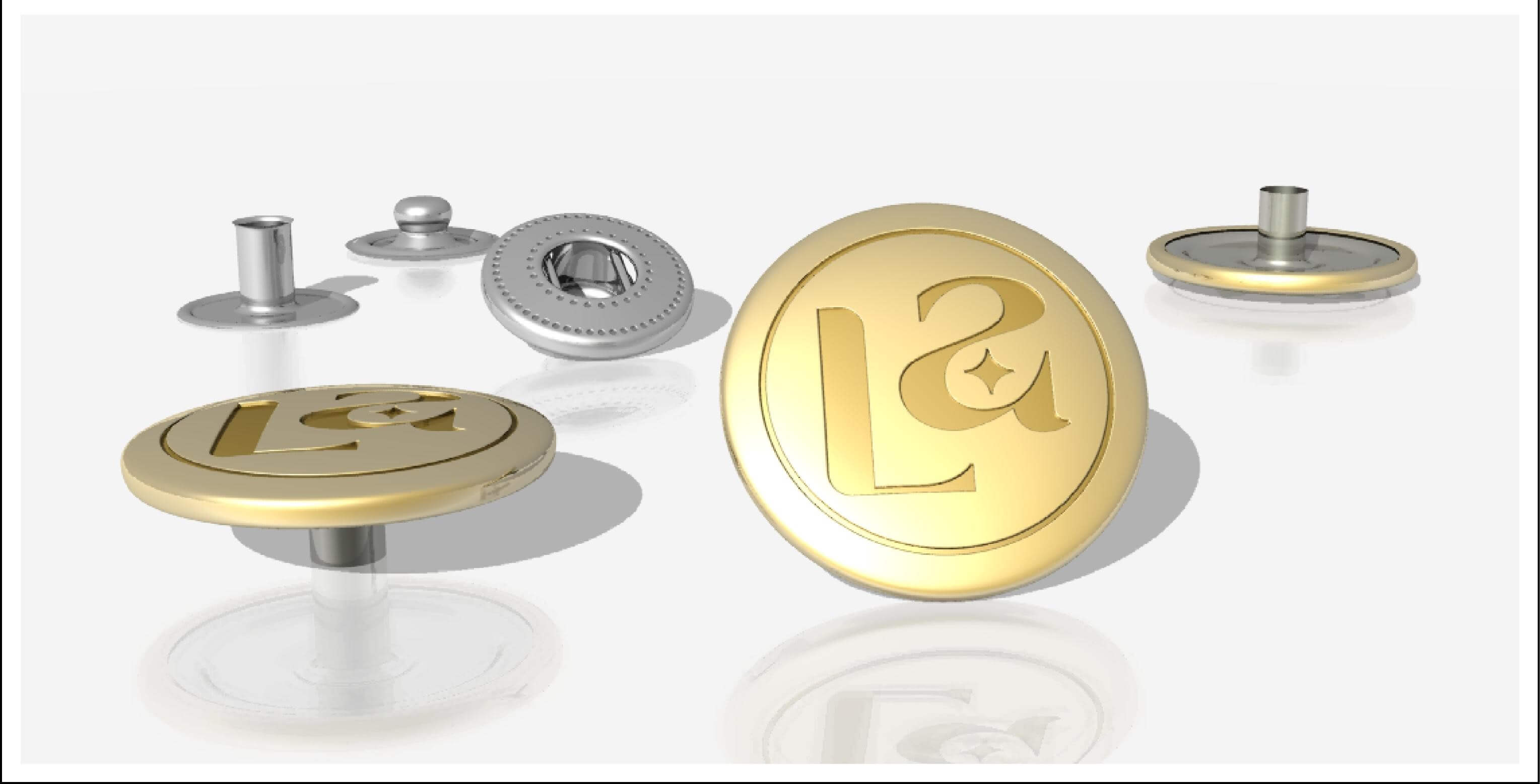
We produce logo-branded, custom snap buttons in both press-on and sew-on options.
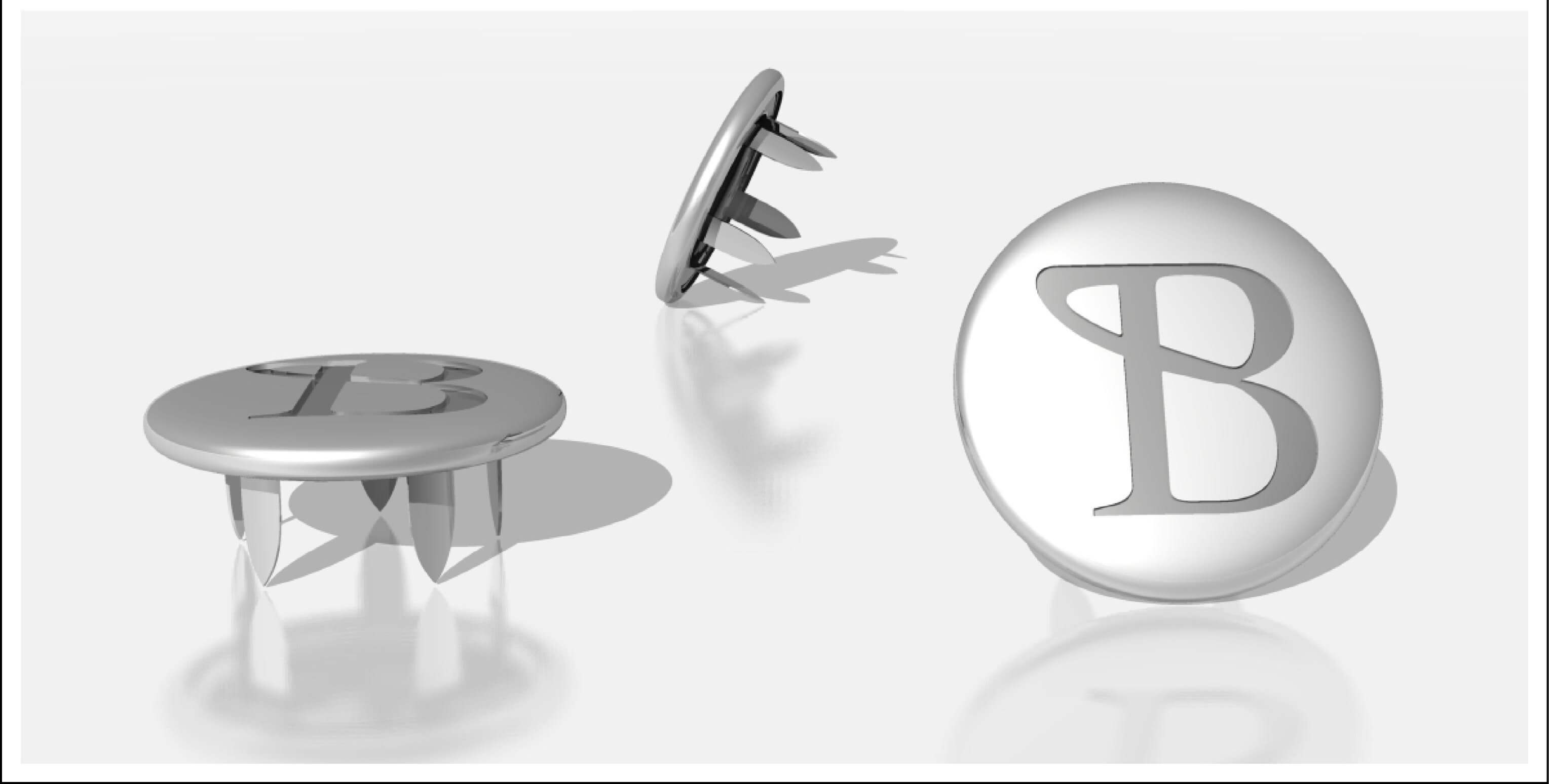
For both shank and sew-through button groups, production is available with your brand's logo, pattern and surface finish.
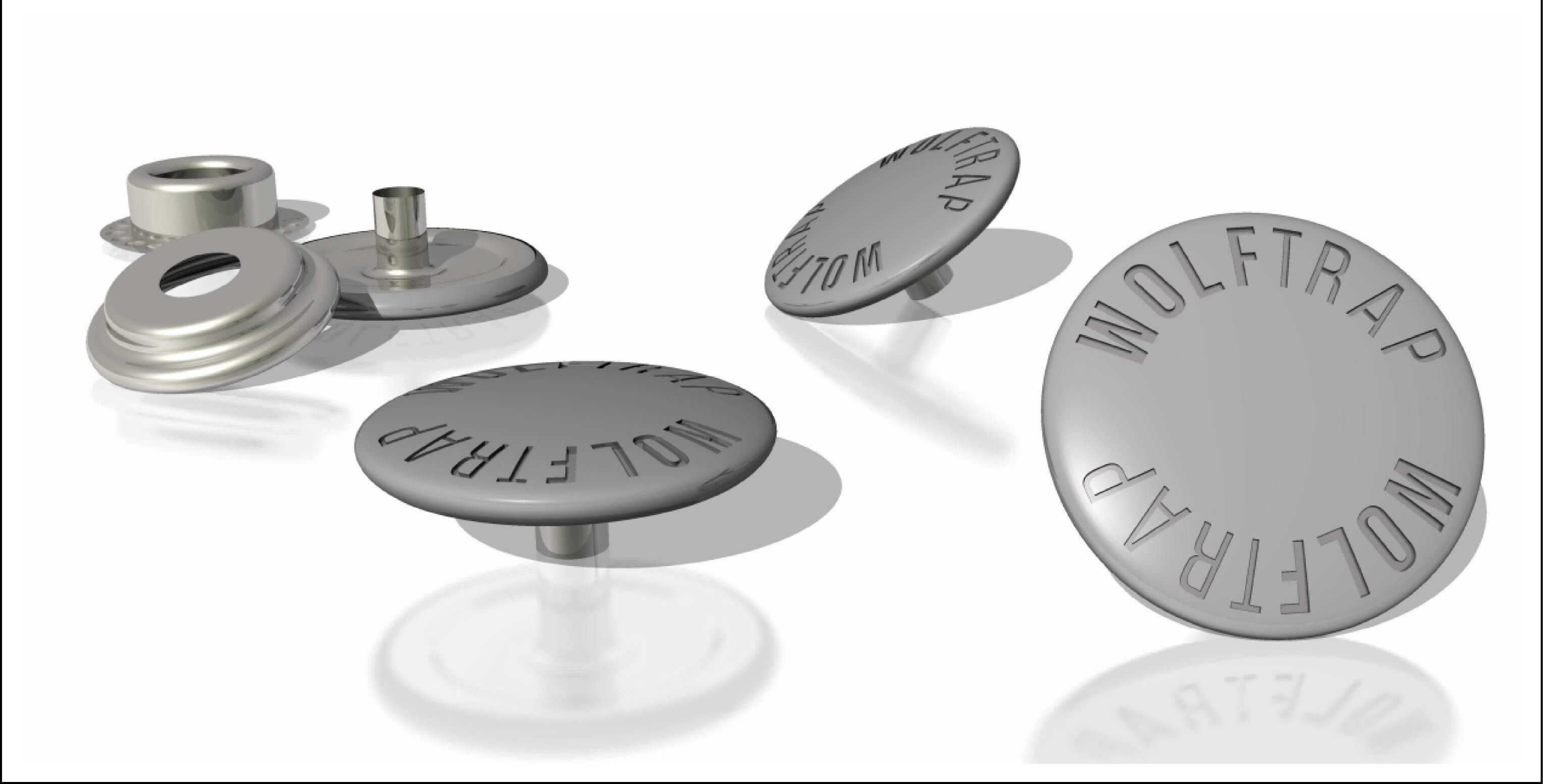
We offer logo-branded jeans buttons custom to your brand, made from zamak and brass.
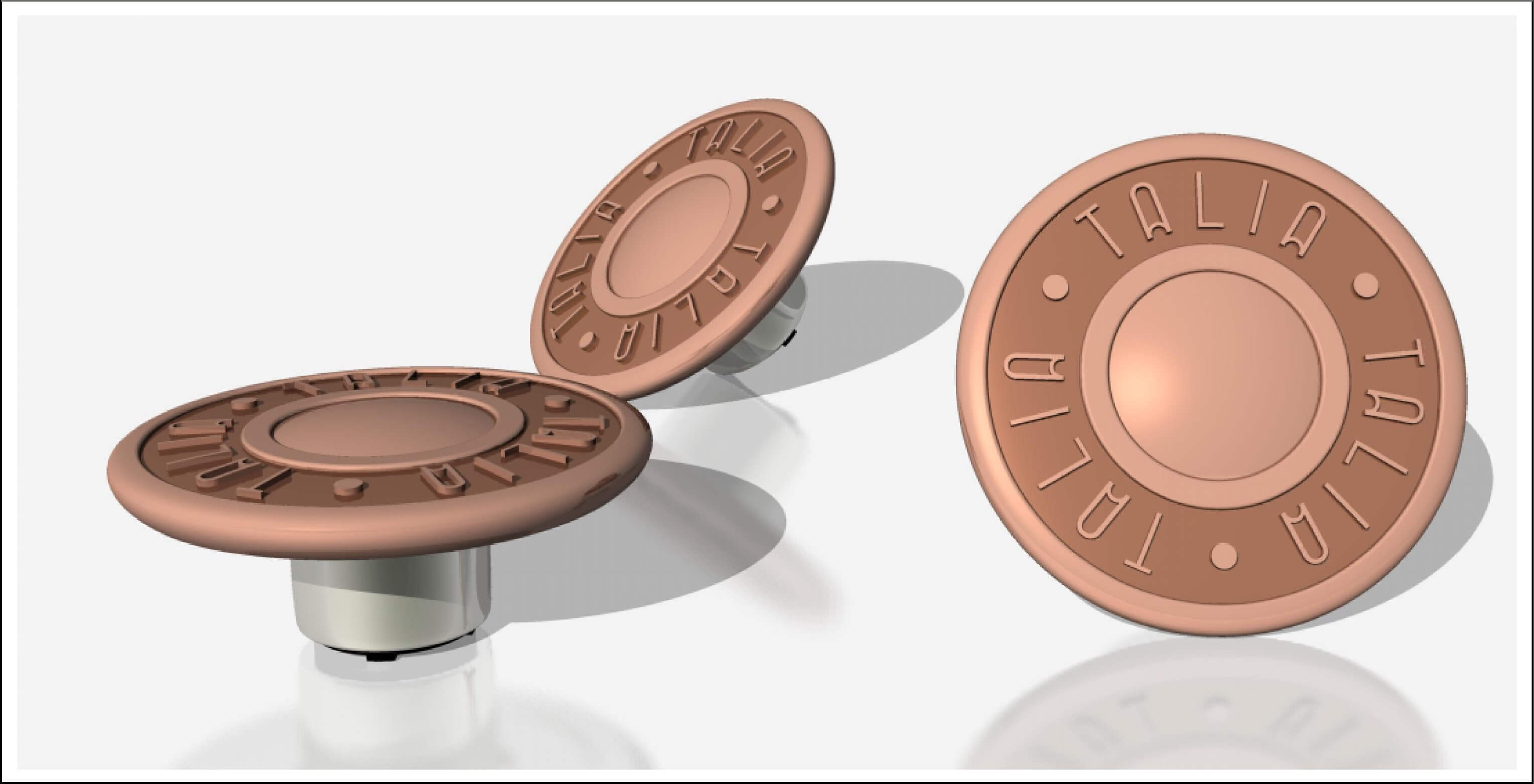
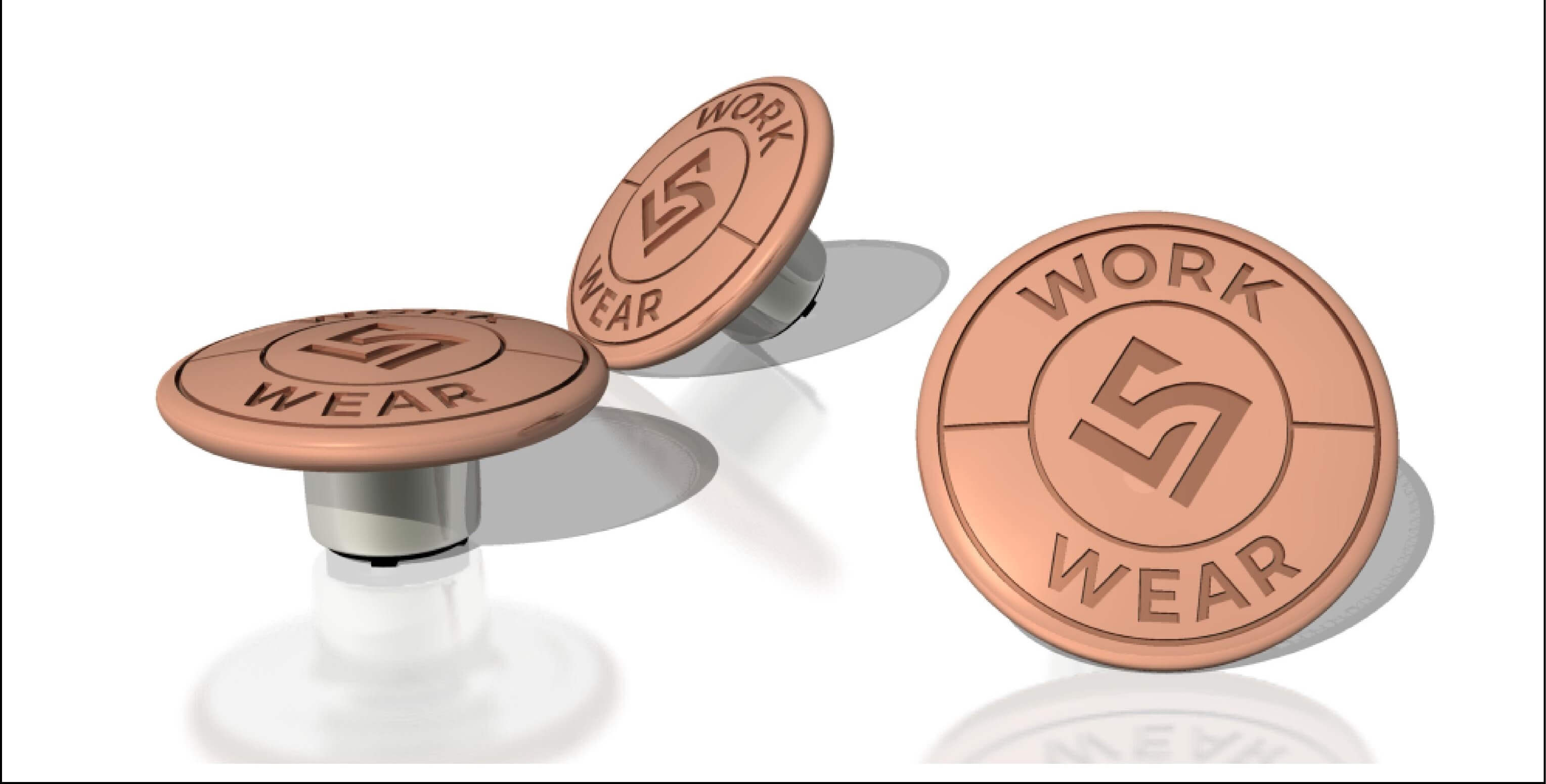
We produce branded, logo-marked rivets in a range of plating options, custom to your company.
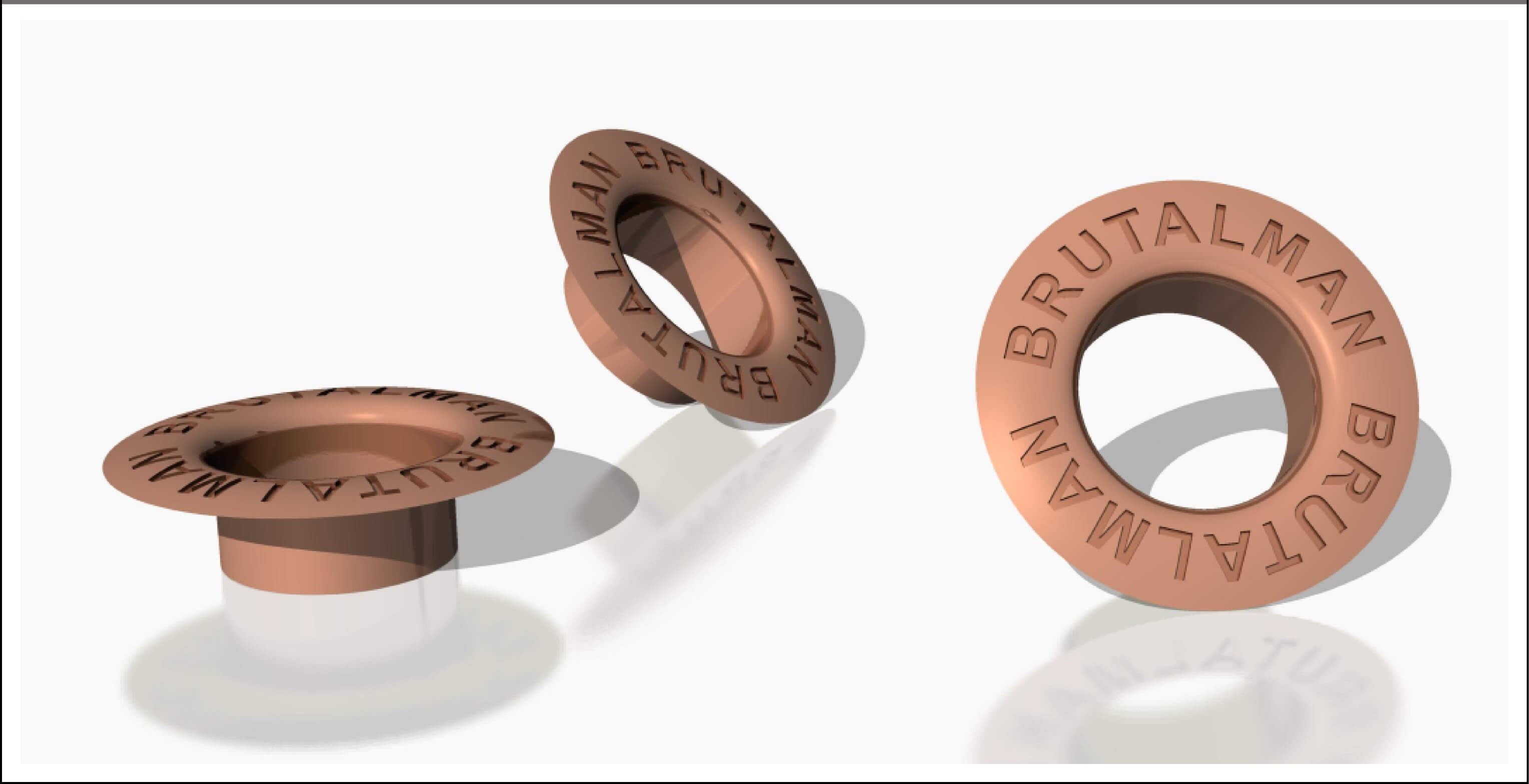
Custom eyelets and grommets can be produced for your brand in a range of sizes, colors and surface finishes.
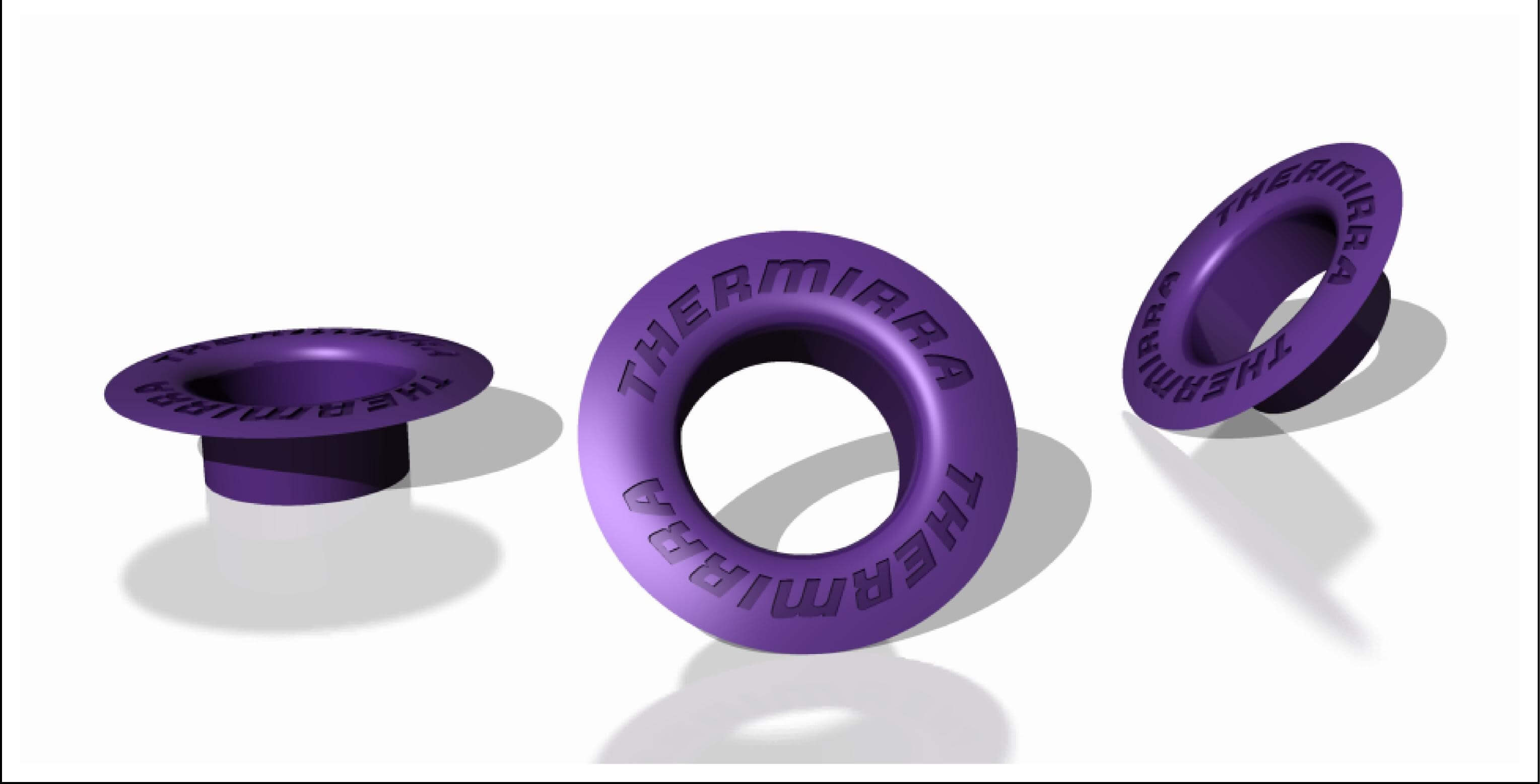
We offer buckle production in custom sizes and designs for your brand, for bra straps, belts and other applications.
Within our textile accessory groups, we provide custom production solutions that match your brand's design language.
For apparel, jewelry and accessory groups, we produce custom labels, ribbons and appliqués with your logo and text.
Before production begins, electronic mockups and sample work can be provided, depending on your request, to help with the approval process. Production and delivery times are planned according to the product group and the finish details involved.
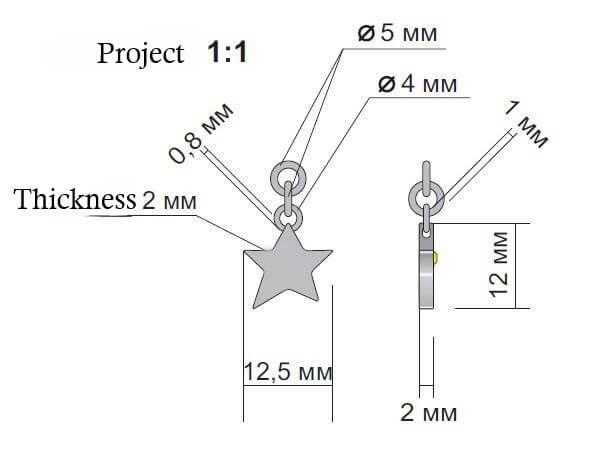
Sample drawings showing product materials, dimensions and finish details can be prepared upon request.
.webp-185x185.webp "11 mm / 0.43 in Zamak Bra Strap Hook PIR750011Z")
.webp-185x185.webp "11 mm / 0.43 in Zamak Bra Strap Ring PIR720011Z")
.webp-185x185.webp "11 mm / 0.43 in Zamak Bra Strap Slider and Ring 2-Piece Set PIR700011Z")
.webp-185x185.webp "11 mm / 0.43 in Zamak Bra Strap Slider PIR710011Z")
.webp-185x185w.webp "11 mm / 0.43 in Zamak Bra Strap Slider, Ring and Hook 3-Piece Set PIR770011Z")
.webp-185x185.webp "15 mm / 0.59 in Zamak Bra Strap Ring PIR720015Z")
.webp-185x185.webp "15 mm / 0.59 in Zamak Bra Strap Slider PIR710015Z")
Let us help you quickly with product, size, and quantity questions.
.png-185x185.webp "9.5 mm / 0.37 in Painted Stainless Steel Capped Prong Snap Fasteners, 144 Sets C0014")
-C0012-edited_2.png-185x185.webp "9.5 mm Dyed Prong Snap Button 3/8")
.webp-185x185.webp "Ring-Style Prong Snap Setting Die for 9.5 mm / 0.37 in Snap Fasteners KLP0095")
.jpeg-185x185.webp "Manual Hand Press Machine for Eyelets, Snaps, Rivets and Fabric Covered Buttons M0099")
.webp-185x185.webp "Ring-Style Prong Snap Setting Die for 10.5 mm / 0.41 in Snap Fasteners KLP0094")
.webp-185x185.webp "Capped Prong Snap Setting Die for 9.5 mm / 0.37 in Snap Fasteners KLP0092")
.jpg-185x185.webp "Pants and Skirt Metal Zipper 18 cm / 7.1 in #4.5 Nickel-Plated Navy Blue ZPM0001PNT")
.webp-185x185.webp "15 mm Snap Button Color and Finish Test Set – 4 Color Snap Packs + KLP0015 Mounting Die Included – Hand Press Not Included SET-15MM-CITCIT-400")
.jpeg-185x185.webp "15 mm Plastic Snap Fastener Stainless Bottom Piece Set 100 pcs/pkt ERC0015PLPPK")
.jpeg-185x185.webp "Alfa Snap Button 15 mm / 0.59 in Stainless Steel 75 Sets C0001PPK")
.jpeg-185x185.webp "17 mm / 0.67 in Stainless Steel Alpha Curved Snap Fasteners, 75 Sets C0001P17PK")
.jpeg-185x185.webp "10 mm / 0.39 in VT2 Mini 54 Stainless Steel Wallet Snap Fasteners, 100 Sets ERC00P10PK")
.jpeg-185x185.webp "15 mm / 0.59 in Stainless Steel 61 System Curved Snap Fasteners, 75 Sets C0004P15PK")