



Subcategories
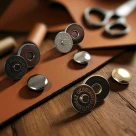
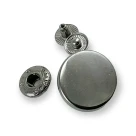
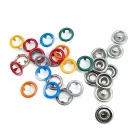
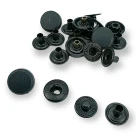
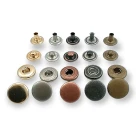
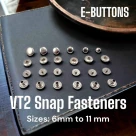
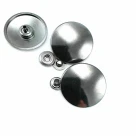
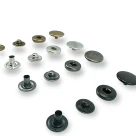
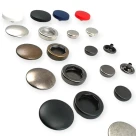
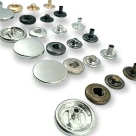
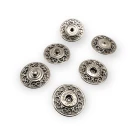
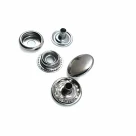
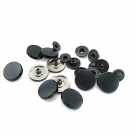
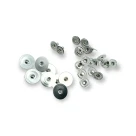
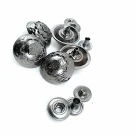
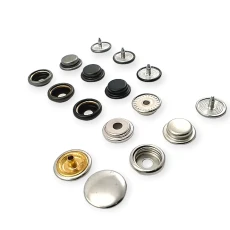
The Brass Snap Button Deluxe Series PRTR500B is crafted to meet the highest quality standards. It stands out with its durability, aesthetic appearance, and easy installation. This snap is especially ideal for jackets, coats, and outerwear. Made of brass, it minimizes the risk of rust and deformation..
0.39 USD
Ex Tax:0.35 USD
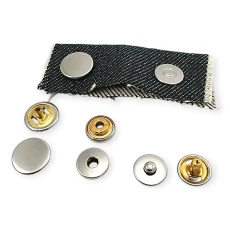
The Brass Snap Button Deluxe Series PRTR600B is crafted to meet the highest quality standards. It stands out with its durability, aesthetic appearance, and easy installation. This snap is especially ideal for jackets, coats, and outerwear. Made of brass, it minimizes the risk of rust and deformation..
0.30 USD
Ex Tax:0.27 USD
On sale
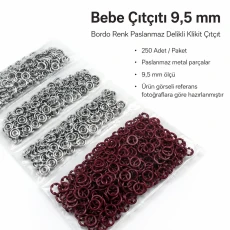
Burgundy Ring-Style Prong Baby Snap Fastener in 9.5 mm / 0.37 in Size
This burgundy stainless ring-style prong baby snap fastener is a functional and decorative fastening solution for babywear, children’s clothing and light textile applications. The burgundy top piece creates a warm visible detai..
7.28 USD 7.28 USD
Ex Tax:6.62 USD

Product Description:
Caas 120 model 54 system brass snap fastener set offers a high-quality, durable, and long-lasting solution for the apparel, bag, and accessories industries. Its brass material ensures strength and durability, while the systematic design and reliable functionality provide great ..
0.17 USD
Ex Tax:0.15 USD
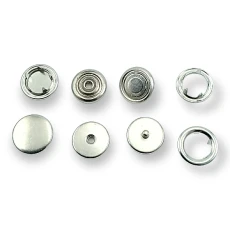
Special system coat snap, Deluxe Series inner closing system is suitable for outerwear products and bags, the visible part of the cover is made of brass (stainless) material. The product is resistant to rust. Special system Deluxe Series outerwear snap buttons serve as special stylish snap..
0.60 USD
Ex Tax:0.55 USD
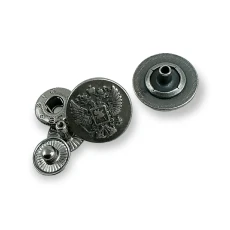
17 mm snap fastener is made of zamak material. The product is resistant to rust. 15 mm zamak snap button helps to eliminate image distortion by remaining a cover (top part) inside the fabrics of coats, coats, jackets, home textile products, outerwear, shirts, bodysuits, jean shirts an..
0.39 USD
Ex Tax:0.35 USD
Product Description:
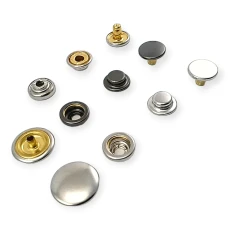
The Deluxe system snap button is an excellent solution that combines aesthetics, functionality, and durability in the clothing, fashion, and textile industries. Especially preferred for outerwear such as jackets, coats, and sportswear, this snap reflects the elegance of Italian..
0.18 USD
Ex Tax:0.16 USD
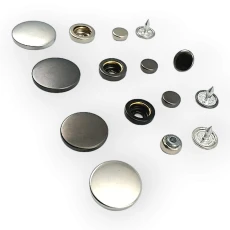
Italian-style Deluxe 501C snap
Italian-style Deluxe 501C coat snap fasteners feature a stainless steel cap, stainless steel socket and post, and zinc alloy stud. The cap options are 12.5 mm (0.49 in) / 15 mm (0.59 in). This four-part snap is intended for outerwear closures and appropriate accesso..
0.16 USD
Ex Tax:0.15 USD
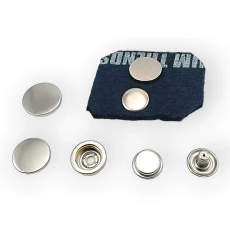
Italian-style Deluxe 503 for outerwearItalian-style Deluxe 503 coat snap fasteners are four-piece closures for coats, jackets and suitable bag flaps. The cap is stainless steel, the socket and post are stainless steel, and the stud is stainless steel. Choose a 12.5 mm (0.49 in) / 15 mm (0.59 in) cap..
0.14 USD
Ex Tax:0.13 USD
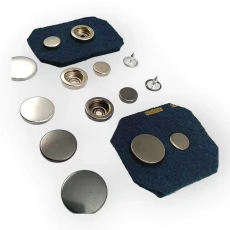
Italian-style Deluxe 503C for outerwearItalian-style Deluxe 503C coat snap fasteners are four-piece closures for coats, jackets and suitable bag flaps. The cap is stainless steel, the socket and post are stainless steel, and the stud is zinc alloy. Choose a 12.5 mm (0.49 in) / 15 mm (0.59 in) cap an..
0.14 USD
Ex Tax:0.13 USD
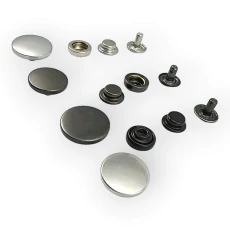
Italian-style snap fastener for outerwear
The Italian-style Deluxe 501 coat snap fastener is a four-part fastening system for coats, jackets and suitable accessories. The listed cap options are 15 mm (0.59 in). The cap is stainless steel. The socket, stud and post are also made of stainless steel..
0.17 USD
Ex Tax:0.16 USD
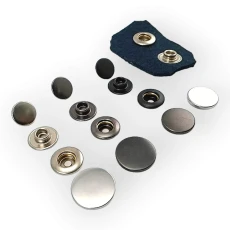
Italian-style Deluxe 884 snap fastenerDeluxe 884 Italian-style coat snap fasteners have a stainless steel cap and stainless steel socket, stud and post. Choose 12.5 mm (0.49 in) and 15 mm (0.59 in) cap sizes for coat, jacket and suitable bag closures. This four-part snap system is fitted with the de..
0.17 USD
Ex Tax:0.16 USD
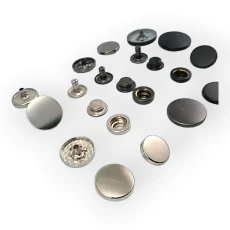
Italian-style Deluxe 501 for outerwearItalian-style Deluxe 501 coat snap fasteners pair a zinc alloy cap with stainless steel socket, stud and post components. The cap sizes offered are 12.5 mm (0.49 in) / 15 mm (0.59 in) / 17 mm (0.67 in). The large Deluxe 501 system has a 14 mm (0.55 in) socket, 1..
0.23 USD
Ex Tax:0.21 USD
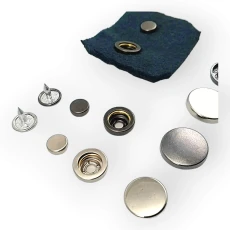
Italian-style Deluxe 501C snap
Italian-style Deluxe 501C coat snap fasteners combine a zinc alloy cap and stud with stainless steel socket and post components. Choose a cap size of 12.5 mm (0.49 in) / 15 mm (0.59 in) / 17 mm (0.67 in). This four-piece snap system is intended for coat, jacket and ..
0.23 USD
Ex Tax:0.21 USD
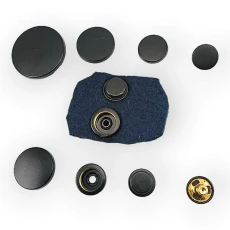
Italian-style outerwear snapItalian-style Deluxe 503 coat snap fasteners combine a zinc alloy cap with a stainless steel socket and post and a stainless steel stud. Select 12.5 mm (0.49 in) / 15 mm (0.59 in) cap sizes to suit your coat, jacket or suitable bag design. The four-piece fastening system ..
0.21 USD
Ex Tax:0.19 USD
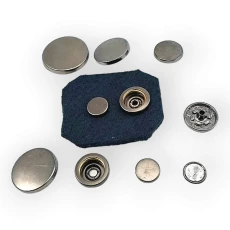
Italian-style outerwear snapItalian-style Deluxe 503C coat snap fasteners combine a zinc alloy cap with a stainless steel socket and post and a zinc alloy stud. Select 12.5 mm (0.49 in) / 15 mm (0.59 in) cap sizes to suit your coat, jacket or suitable bag design. The four-piece fastening system uses..
0.21 USD
Ex Tax:0.19 USD