Menu
Menu
Filter
Your Cart

D Rings, O Rings, Frame Rings and Strap Adjustment Buckles

What Are D Rings, O Rings and Strap Adjustment Buckles Used For?

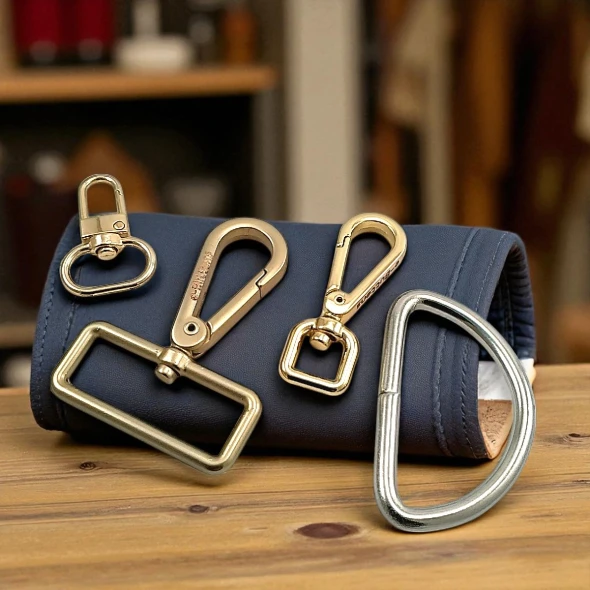
D rings, O rings, frame rings and strap adjustment buckles are used to create attachment points, guide webbing, adjust strap length and build complete connection systems for bags and accessories. They are widely used in handbags, backpacks, belt bags, luggage, belts, pet leashes, collars, outdoor equipment, workwear, textile straps and leather goods.

These components may look similar, but they do not perform the same task. A D ring or O ring usually creates a fixed connection point. A square or rectangular frame ring guides a strap through a straight path. A strap adjuster or ladder lock changes the usable length of webbing. A removable shoulder strap normally combines several components: a ring on the bag body, a snap hook at the strap end and an adjuster when the strap length must be changed.

For the wider product family, browse the bag buckles, rings and hooks collection. This helps match D rings, O rings and strap adjusters with related hooks, sliders, chains and other visible hardware parts.

D Ring, O Ring and Strap Adjuster: What Is the Difference?

D rings and O rings are mainly fixed connection parts. They give a strap, hook, chain or tab a secure attachment point. Strap adjusters are moving hardware components that allow the user to shorten or lengthen webbing. A bag strap can use both components at the same time: the ring connects the strap to the bag, while the adjuster controls the strap length.

Hardware Type Main Function Typical Application
D Ring Fixed attachment point and strap guidance Bag bodies, shoulder straps, belts, leashes and backpack fittings
O Ring Round connection point Bag straps, chain details, keychains, decorative accessories and leash systems
Square or Rectangular Frame Ring Controlled straight strap routing Bag handles, flat webbing, belts, strap tabs and textile connections
Triangle Ring Angled strap connection Backpack straps, outdoor equipment, leashes and angled webbing systems
Ladder Lock Webbing guidance and adjustment Backpacks, collars, outdoor products and adjustable strap systems
Strap Adjustment Buckle Length adjustment Shoulder straps, bag straps, belts, leashes and textile webbing

D Rings for Bag Bodies, Straps and Leashes

A D ring has one straight side and one curved outer side. This shape helps it sit neatly against a bag body, leather tab, belt end or webbing connection. D rings are commonly used on shoulder bags, backpacks, belts, collars, leashes, luggage straps and outdoor products.

The most important measurement is the inner width. The finished strap or webbing should pass through the D ring smoothly without excessive looseness or compression. For example, a 20 mm / 0.79 in strap should be paired with a D ring that provides approximately 20 mm / 0.79 in of usable internal width.

For a removable shoulder strap, the D ring usually acts as the fixed bag-body connection point. Pair it with a compatible snap hook, carabiner clip or swivel hook. The hook gate must pass over the D ring thickness smoothly and close without pinching the ring.

O Rings for Round Connections and Chain Details

O rings are circular connection components used in bag straps, keychains, chain details, decorative bag hardware, leash systems and textile accessories. Their round shape allows hooks, chain links and strap ends to move more freely than they do on a flat-sided ring.

When choosing an O ring, check both the inner diameter and the wire thickness. The selected hook, chain link or strap tab must fit around the ring without forcing the connection. A small O ring can be difficult to use with a large hook gate, while an oversized ring may create unnecessary movement in a narrow strap system.

For keychains, bag charms and small removable accessories, O rings can be combined with spring rings and snap rings when faster attachment and removal is required.

Square and Rectangular Frame Rings

Square and rectangular frame rings guide webbing through a straighter, more controlled path. They are useful for bag handles, flat straps, belt systems, webbing loops, leather tabs and structured textile accessories. Their form can be more suitable than a D ring when the strap needs to remain aligned on a flat axis.

Select the frame ring by internal width and internal height. The width should match the finished webbing width, while the available height must suit the thickness of the strap, folded tab or layered material passing through the frame.

Frame rings can be used with hooks for removable straps or with strap adjusters for adjustable webbing systems. For belts, bag flaps or decorative straps that require a tongue-and-hole closure, browse collar buckles, strap buckles and pin buckle styles.

Ladder Locks and Strap Adjustment Buckles

Ladder locks and strap adjustment buckles are used to shorten, lengthen, guide or secure webbing. They are commonly used in backpacks, belt bags, shoulder straps, camera straps, collars, leashes, outdoor equipment and adjustable textile products.

A single-slide strap adjuster changes strap length by allowing the webbing to move through the buckle and hold at the selected position. A ladder lock offers more than one routing point and can provide a more controlled path for the strap. The weave, thickness and surface friction of the webbing influence how well the buckle holds the selected length.

A strap adjuster is not the same as a quick-release closure. When the product needs to open and close quickly, use a suitable side-release buckle, slider buckle or strap buckle system alongside the adjustment component.

How to Choose the Correct Webbing Width

The key technical measurement for D rings, O rings, frame rings and strap adjustment buckles is the finished width of the strap or webbing passing through the hardware. The inner width of the selected component should closely match that measurement. Overall product length is a separate dimension and should not be used as the main compatibility reference.

Strap / Webbing Width Approx. Inch Typical Application
10 mm 0.39 in Keychains, narrow straps, small accessories and lightweight textile connections
15 mm 0.59 in Small shoulder bags, bag handles, belts and medium-light strap systems
20 mm 0.79 in Bag straps, belt bags, leashes and standard webbing systems
25 mm 0.98 in Backpacks, collars, belts and stronger bag strap connections
30 mm 1.18 in Wide shoulder straps, outdoor products and carrying systems
40 mm 1.57 in Backpacks, workwear, technical webbing and wider connection systems
50 mm 1.97 in Wide belts, heavy webbing and larger outdoor connection systems

Material and Finish Selection

D rings, O rings and strap adjustment buckles can be made from iron, sheet metal, plastic or zinc alloy, also known as zamak. Iron and sheet-metal fittings are common in standard rings, frames, ladder locks and webbing adjusters. Plastic components can be useful where lower weight or colour variation is important. Zinc alloy parts can be selected where cast form, decorative detail and plated surface options are needed.

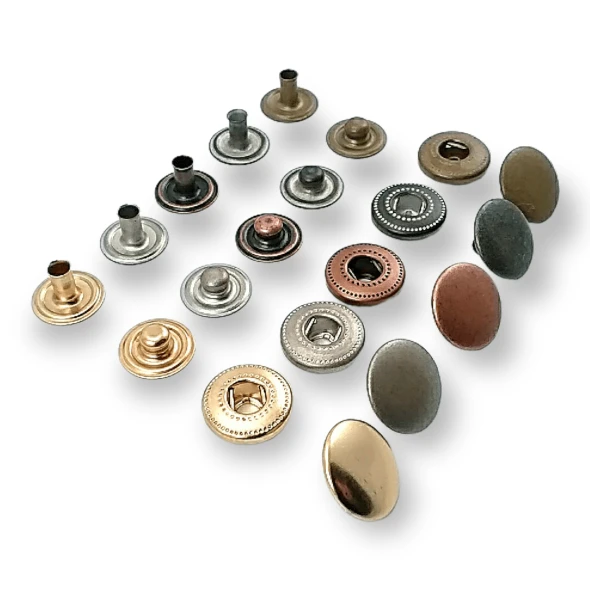
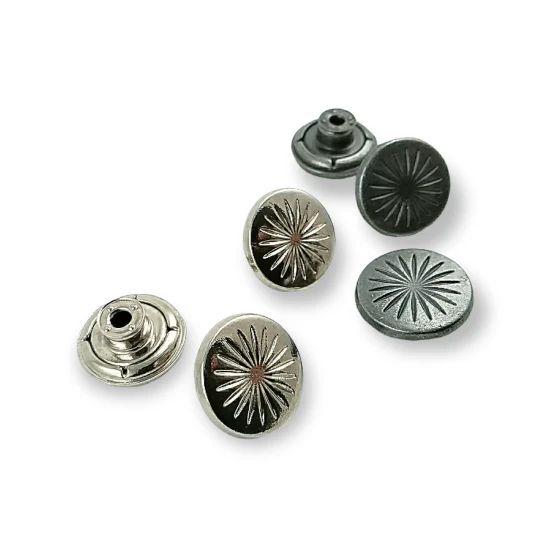
Finish options vary by model and can include nickel, black nickel, gold, antique brass, black oxide, copper, gunmetal, black, white, navy, red and other project-specific colours. When a bag has several visible metal parts, the ring, hook, slider, chain and rivet finish should be selected together for a more consistent product appearance.

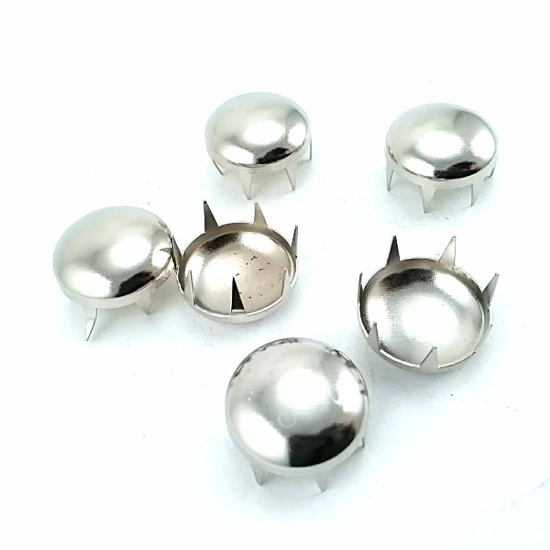
For leather tabs, bag handles and reinforced strap ends, use compatible rivets for bags and leather goods. Rivets can help secure layered leather, folded strap ends and connection tabs around rings or frame fittings.

Complete the Strap System with Compatible Components

D rings, O rings and strap adjusters work best when the entire connection system is planned together. The hook opening, ring thickness, slider width, chain link size and strap width must be compatible with one another.

  • Removable shoulder strap: D ring + snap hook or carabiner clip + compatible strap.
  • Adjustable bag strap: D ring or frame ring + strap adjustment buckle + webbing in the same inner width.
  • Backpack strap: ladder lock + strap adjuster + webbing; add a suitable side-release or slider buckle where fast opening is needed.
  • Leash or collar system: D ring + adjustable slider + hook + correctly sized webbing.
  • Chain strap bag: D ring or O ring + chain accessory + compatible hook or connector fitting.
  • Controlled detachable fitting: ring + locking ring or another controlled closure component.
  • Keychain or small accessory: O ring + spring ring + hook, chain or decorative attachment.

Related Components for Bags and Textile Products

For drawstring bags, sports bags, leather goods and outdoor textile products, eyelets can reinforce the holes where cord or webbing passes through the material. Browse eyelets and grommets for suitable hole-reinforcement components.

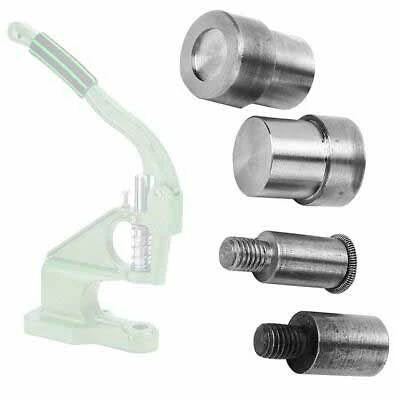
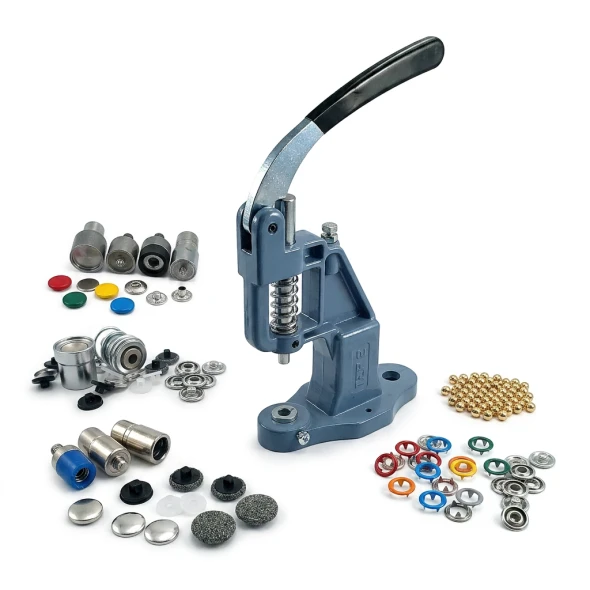
When a project includes installed rivets, eyelets or other assembled hardware, check the correct setting dies, fastening tools and application equipment before starting production. Component size, material thickness, tool system and the construction of the bag or strap should be checked together.

Common Selection Mistakes

  • Treating a D ring and a strap adjuster as if they perform the same function
  • Choosing hardware by total length instead of webbing inner width
  • Ignoring O ring wire thickness when selecting a hook or chain link
  • Selecting a strap adjuster without considering webbing thickness and friction behaviour
  • Using a strap adjuster alone where a quick-release closure is required
  • Combining visibly mismatched finishes on rings, hooks, sliders, chains and rivets
  • Ignoring package quantity when planning sampling, repairs or production

Buying Checklist

  • Measure the finished width of the strap, belt or webbing.
  • Define whether the hardware is needed for a fixed connection, strap adjustment, guided routing or quick release.
  • Select the correct form: D ring, O ring, square ring, rectangular ring, triangle ring, ladder lock or strap adjuster.
  • Check whether the webbing thickness is suitable for the internal height of the component.
  • When using a hook, confirm that the hook opening fits the selected ring thickness.
  • Choose material and finish according to the product design and intended application.
  • Match visible hardware finishes across hooks, rings, chains, sliders and rivets.
  • Confirm package quantity before ordering for assembly or production.

Frequently Asked Questions

What is the difference between a D ring and an O ring?

A D ring has one straight side and one curved outer edge. An O ring is fully round. D rings often sit more neatly against bag bodies and strap tabs, while O rings allow more free movement for hooks, chains and decorative connections.

What size strap adjuster should I use?

Select a strap adjuster with an inner width that matches the finished width of the webbing. For example, use a 20 mm / 0.79 in strap adjuster with approximately 20 mm / 0.79 in webbing.

What is a ladder lock used for?

A ladder lock guides webbing through more than one routing point and helps adjust or secure the strap length. It is commonly used in backpacks, collars, outdoor equipment and adjustable webbing systems.

Can I use a D ring with a snap hook?

Yes. A D ring can provide the fixed attachment point on the bag body, while a snap hook or carabiner clip creates the removable connection for the strap. The hook opening must fit the D ring thickness.

Should I choose plastic or metal strap hardware?

The right choice depends on the intended product, weight requirement, visual style, mechanism and usage conditions. Plastic can be suitable for lightweight systems, while iron, sheet metal or zinc alloy can be selected for metal appearance, body structure or decorative finishing needs.

Is a pin buckle the same as a strap adjuster?

No. A pin buckle closes a strap or belt through a tongue-and-hole system. A strap adjuster changes the usable strap length. For belt-style and tongue buckle options, see the collar buckle and strap buckle category.

Which products can be used together with D rings and strap adjusters?

Common companion products include snap hooks, carabiner clips, locking rings, spring rings, chains, rivets, eyelets and suitable fastening tools where installation is required.

Filter Products