


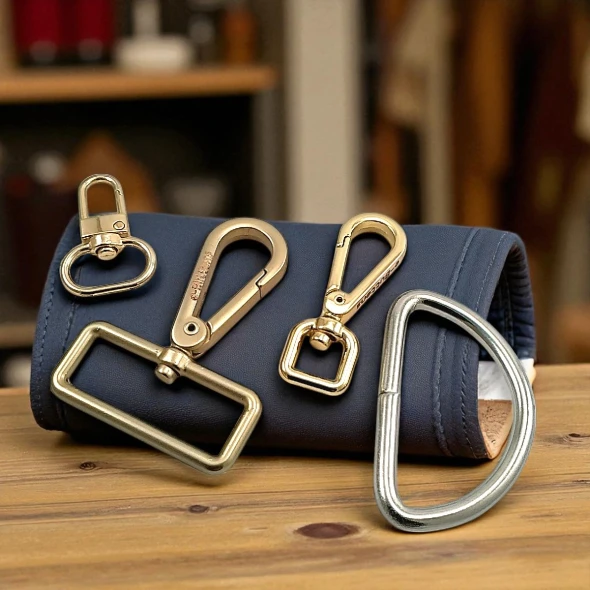

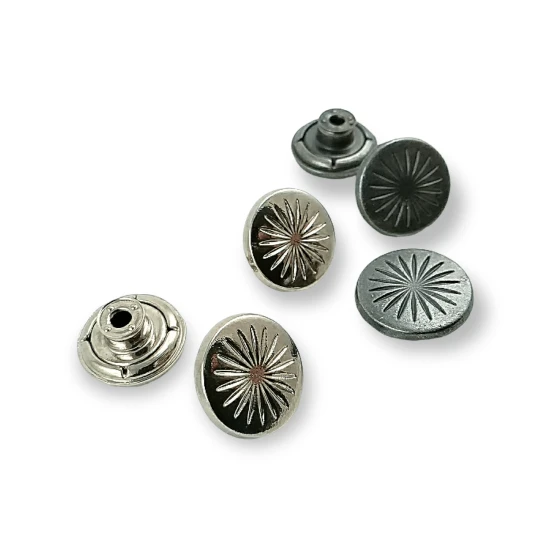
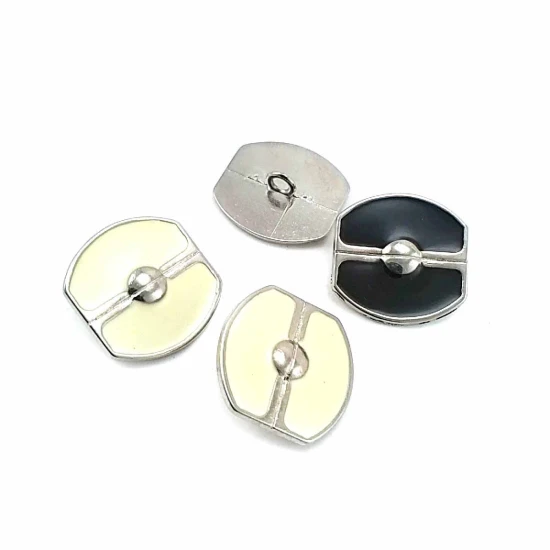
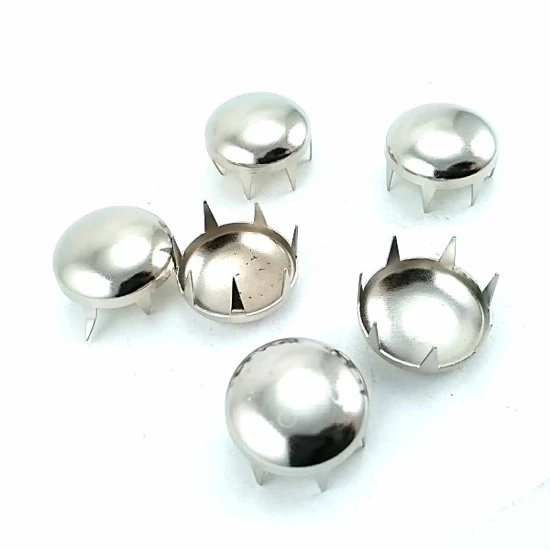



Subcategories
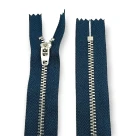

This 100 cm / 39.37 in N5 nylon coil open-end separating zipper is a ready-length zipper option for evening dresses, ferace garments, abayas, long dresses, long modest outerwear, long cardigans and similar zip-front apparel. It is designed for garments that need the front closure to open completely...
2.20 USD
Ex Tax:2.00 USD
This 120 cm / 47.24 in N5 nylon coil open-end separating zipper is a ready-length zipper option for evening dresses, ferace garments, abayas, long dresses, long modest outerwear, long cardigans and similar zip-front apparel. It is designed for garments that need the front closure to open completely...
2.20 USD
Ex Tax:2.00 USD
14 cm #3 5,51" pants, skirt and dress zipper #3 nylon zipper, closed-ended - bottomed zippers are used as a functional accessory on skirts, pants, dresses, duvet cover sets, pillows, covers and many different sectors. . #3 zipper is called Nylon coil zipper or spiral zipper abroad. Abroad, #3 nylon..
0.10 USD
Ex Tax:0.09 USD
What Is a 16 cm / 6.30 in #3 Reverse Pocket Zipper Used For?A 16 cm / 6.30 in #3 black nylon reverse pocket zipper is used to create a short closure line on jacket pockets, coat pockets, vest pockets, bags, inner pockets, outer pockets, cases, organizers and textile accessories.This product ..
0.38 USD
Ex Tax:0.35 USD
16 cm #3 6,30" pants, skirt and dress zipper #3 nylon zipper, closed-ended - bottomed zippers are used as a functional accessory on skirts, pants, dresses, duvet cover sets, pillows, covers and many different sectors. . #3 zipper is called Nylon coil zipper or spiral zipper abroad. Abroad, #3 nylon ..
0.10 USD
Ex Tax:0.09 USD
This 18 cm / 7.09 in N3 nylon pants and skirt zipper is a closed-end garment zipper designed for pants, skirts, shorts, dresses, and other lightweight apparel. The bottom stop keeps the zipper tapes connected at the lower end, creating a controlled opening for a trouser fly, skirt opening, dress bac..
0.21 USD
Ex Tax:0.19 USD
18 Cm #3 7,10" hidden tulle zipper, with bottom - closed-end zippers are ideal for use on dresses, skirts, children's clothing, pillow cases, home textiles, inner bag pockets and as functional accessories in many different sectors. Concealed tulle zippers are ideal for use as one-way zippers, closed..
0.14 USD
Ex Tax:0.12 USD
18 cm #3 7,10" pants, skirt and dress zipper #3 nylon zipper, closed-ended - bottomed zippers are used as a functional accessory on skirts, pants, dresses, duvet cover sets, pillows, covers and many different sectors. . #3 zipper is called Nylon coil zipper or spiral zipper abroad. Abroad, #3 nylon ..
0.10 USD
Ex Tax:0.09 USD
20 cm #3 7,90" hidden tulle zipper, with bottom - closed-end zippers are ideal for use on dresses, skirts, children's clothing, pillow cases, home textiles, inner bag pockets and as functional accessories in many different sectors. Concealed tulle zippers are ideal for use as one-way zippers, closed..
0.14 USD
Ex Tax:0.13 USD
20 cm #3 7,90" pants, skirt and dress zipper #3 nylon zipper, closed-ended - bottomed zippers are used as a functional accessory on skirts, pants, dresses, duvet cover sets, pillows, covers and many different sectors. . #3 zipper is called Nylon coil zipper or spiral zipper abroad. Abroad, #3 nylon ..
0.10 USD
Ex Tax:0.09 USD
On sale
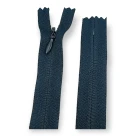
The product is export surplus. It is offered for sale at a discount. The product is dark blue in color.
20 cm #3 7,90" pants, skirt and dress zipper #3 nylon zipper, closed-ended - bottomed zippers are used as a functional accessory on skirts, pants, dresses, duvet cover sets, pillows, covers and m..
0.09 USD 0.10 USD
Ex Tax:0.08 USD
What Is a 22 cm / 8.66 in Woven Tape Pocket Zipper Used For?A 22 cm / 8.66 in woven tape pocket zipper is used to create a practical closure line on bags, inner pockets, outer pockets, cases, organizers, portfolios, pencil cases, cosmetic bags and small textile accessories.This product is be..
0.36 USD
Ex Tax:0.33 USD
22 Cm #3 8,66" hidden tulle zipper, with bottom - closed-end zippers are ideal for use on dresses, skirts, children's clothing, pillow cases, home textiles, inner bag pockets and as functional accessories in many different sectors. Concealed tulle zippers are ideal for use as one-way zippers, closed..
0.14 USD
Ex Tax:0.13 USD
22 cm #3 8,66" pants, skirt and dress zipper #3 nylon zipper, closed-ended - bottomed zippers are used as a functional accessory on skirts, pants, dresses, duvet cover sets, pillows, covers and many different sectors. . #3 zipper is called Nylon coil zipper or spiral zipper abroad. Abroad, #3 nylon ..
0.11 USD
Ex Tax:0.10 USD
25 Cm #3 9,84" hidden tulle zipper, with bottom - closed-end zippers are ideal for use on dresses, skirts, children's clothing, pillow cases, home textiles, inner bag pockets and as functional accessories in many different sectors. Concealed tulle zippers are ideal for use as one-way zippers, closed..
0.14 USD
Ex Tax:0.13 USD
25 cm #3 9,84" pants, skirt and dress zipper #3 nylon zipper, closed-ended - bottomed zippers are used as a functional accessory on skirts, pants, dresses, duvet cover sets, pillows, covers and many different sectors. . #3 zipper is called Nylon coil zipper or spiral zipper abroad. Abroad, #3 nylon ..
0.11 USD
Ex Tax:0.10 USD