
.jpg-40x40.webp "Magnetic Snaps Buttons")

.jpg-40x40.webp "Prong Snap Fasteners for Baby Clothes")


.jpg-40x40.webp "Curved Snaps Buttons")


.jpg-40x40.webp "Snap Fasteners Half Dome type")
-no5-k0010%20(3).jpg-40x40.webp "Eyetlets")


-K0014.png-40x40.webp "Steel Eyelets and Iron Metal Grommets")

.jpg-40x40.webp "Flat Brass Eyelets and Grommets")

.jpg-40x40.webp "Aluminum Eyelets and Grommets")


.jpg-40x40.webp "Galvanized Eyelets and Grommets")


.jpg-40x40.webp "Hole Cutter Tools and Punching Dies")

.jpg-40x40.webp "Grommet Punching Dies")


.jpg-40x40.webp "Pearls Types")


.jpg-40x40.webp "Rivets")


.jpg-40x40.webp "Water-Repellent Jacket Zippers")


.jpg-40x40.webp "Tires")

.jpg-40x40.webp "Round Braided Elastic Cord")


.png-40x40.webp "Enameled Buttons")


.png-40x40.webp "Two Hole Sewing Buttons")


.jpg-40x40.webp "Carabiner Clips, Snap Hooks and Bag Hooks")


-PhotoRoom.png-40x40.webp "Spring Rings, Key Rings and Snap Clamps")


.png-40x40.webp "Hook and Eye Closures Sew-On")


.png-40x40.webp "Bag Making Kits")

.png-40x40.webp "Continuous Zipper Sets")


.jpg-40x40.webp "Bra Underwires")




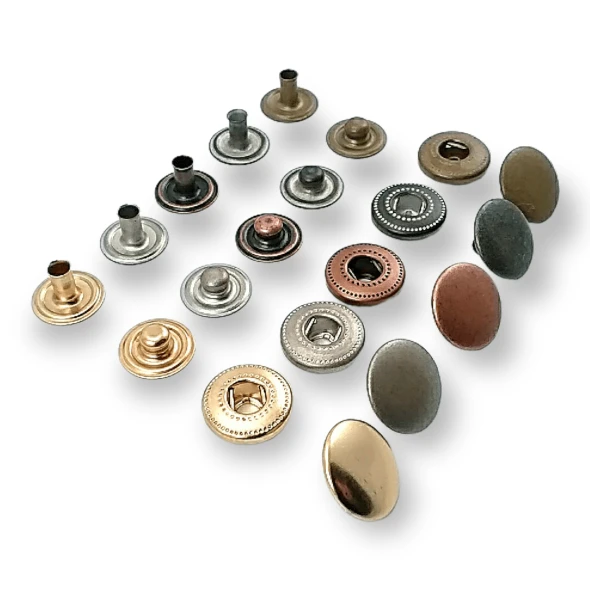
-no5-k0010%20(3).jpg-590x590.webp "Eyelets and Grommets")
.jpg-590x590.webp "Rivets")
.jpg-100x100.webp "Braided Elastic Planter Blue 3 mm Tres Rubber 5 meters LYV0005PK213")
.jpg-100x100.webp "Round Rubber, Dark Blue, 3 mm, Tres Rubber, 5 meters LYV0005PK330")
.jpg-100x100.webp "1 cm - 0,39\" Ring - Chain Link Ring 5000 pcs/ Pack A000H1")
.webp-100x100.webp "1 cm / 0.39 in Oval Eyelet Setting Die for Oval Grommet Installation KLPK0010OVLNO2")
.webp-100x100.webp "1–15 mm / 0.039–0.591 in Padova Hole Cutter Collection with 18 Cutter Sets and Long-Handle Striking Tool PDVSET0015EL")
.webp-100x100.webp "1.5 cm / 0.59 in Oval Eyelet Setting Die for Oval Grommet Installation KLPK0015OVLNO3")
.jpeg-100x100.webp "10 mm / 0.39 in Gold Zamak Bra Strap Slider and Ring Set, 500 Pairs PBT0006PROMO")
.webp-100x100.webp "10 mm / 0.39 in Inner Diameter Antique Brass-Tone Stainless Metal Eyelet Capsule, 250 pcs/Pack ER0024PPKAS")
.webp-100x100.webp "10 mm / 0.39 in Inner Diameter Antique Silver-Tone Stainless Metal Eyelet Capsule, 250 pcs/Pack ER0024PPKKO")
On sale
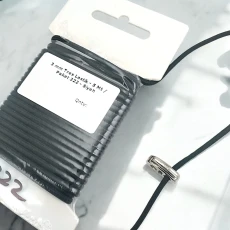
The Essential for Every Project: Black Round Elastic
Black round elastic is the most basic material for textile production and home sewing kits. With its standard 3 mm thickness, it is the most preferred size. Offered in a practical 5-meter pack, this product is used everywhere from hooded sweats..
2.82 USD 3.92 USD
Ex Tax:2.56 USD
On sale
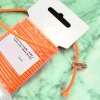
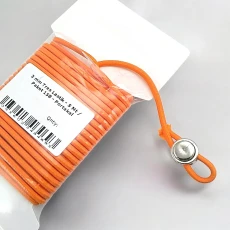
Add Energy to Your Projects: Orange Round Elastic
For those tired of ordinary colors, the Orange round elastic adds dynamism to your projects with its vibrant and eye-catching tone. With its standard 3 mm thickness, it offers a wide range of uses from hoodies to drawstring bags, party decorations..
2.82 USD 3.92 USD
Ex Tax:2.56 USD
On sale
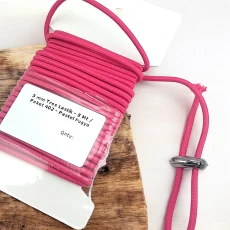
Design with Trendy Colors: Pastel Fuchsia Round Elastic
Add a modern and stylish touch to your projects with the "Pastel Fuchsia" tone, which is neither too neon nor too pale. With its standard 3 mm thickness, it can be used in many areas from hoodies to baby clothes, from mask making to colorful..
2.82 USD 3.92 USD
Ex Tax:2.56 USD

On sale
The Most Vibrant Tone: Neon Pink Round Elastic
If you want your designs to be noticed from miles away, Neon Pink (Fluorescent) round elastic is just for you. This high-energy color adds movement to every project, from sportswear to children's clothing, party costumes to summer accessories. It off..
2.82 USD 3.92 USD
Ex Tax:2.56 USD
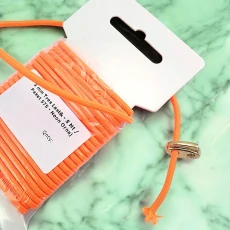
On sale
Energetic and Eye-Catching: Neon Orange Round Elastic
Much brighter and more vibrant than ordinary orange tones, Neon Orange elastic adds dynamism to your designs. It is a perfect complement especially for summer collections, beachwear, and children's clothing. With its standard 3 mm thickness, i..
2.82 USD 3.92 USD
Ex Tax:2.56 USD
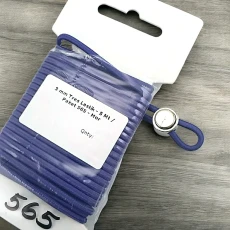
On sale
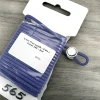
Add Elegance to Your Projects: Purple Round Elastic
For those looking for a deep and impressive color far from ordinary, Purple (Violet) round elastic is a great choice. With its standard 3 mm thickness, it offers a wide range of uses from textiles to stationery, jewelry design to mask making. Id..
2.82 USD 3.92 USD
Ex Tax:2.56 USD
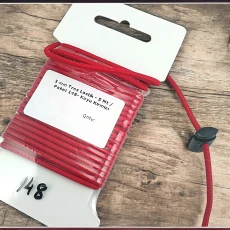
On sale
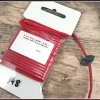
Character and Style: Dark Red Round Elastic
For those looking for a more grounded and noble tone rather than the vividness of standard red, Dark Red (Maroon/Burgundy) is ideal. It is frequently preferred especially in school uniforms, winter jackets, and sportswear details. It offers a wide range..
2.82 USD 3.92 USD
Ex Tax:2.56 USD
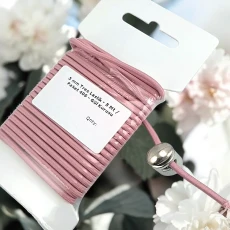
On sale
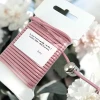
Elegant and Modern Tones: Dusty Rose Round Elastic
More grounded than bright pink, warmer than brown... The "Dusty Rose" color is one of the most sought-after tones, especially in women's clothing, home textiles, and modest fashion. With its standard 3 mm thickness, it offers a wide range of uses..
2.82 USD 3.92 USD
Ex Tax:2.56 USD
On sale
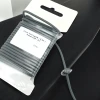
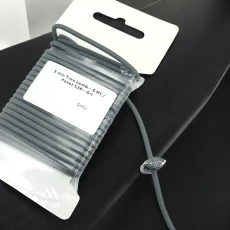
The Most Versatile Complement: Grey Round Elastic
After black and white, Grey is the most used color in the textile world and acts as a "savior" material. It blends perfectly with every color (especially black, navy, and heathered fabrics) from tracksuits to hooded sweatshirts, shorts to technica..
2.82 USD 3.92 USD
Ex Tax:2.56 USD
On sale
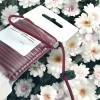
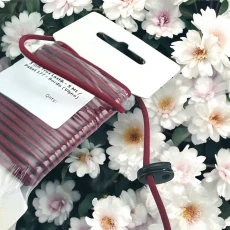
The Color of Winter and School Fashion: Burgundy Round Elastic
A timeless classic, Burgundy is essential, especially for school uniforms, college-style sweatshirts, and winter coats. With its standard 3 mm thickness, it can be used safely in both clothing products, home textiles, and hobby projec..
2.82 USD 3.92 USD
Ex Tax:2.56 USD
On sale
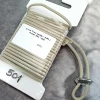
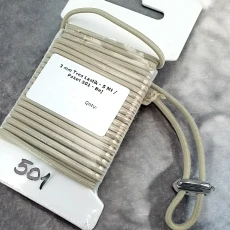
Natural and Simple: Beige Round Elastic
The best complement for light-colored fabrics and natural tones, Beige (Cream/Tan) round elastic provides a soft transition for your projects. It is an ideal alternative for those who want to avoid the harshness of black. With its standard 3 mm thickness, i..
2.82 USD 3.92 USD
Ex Tax:2.56 USD
On sale
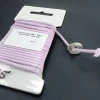
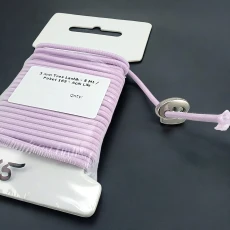
Spring Vibes: Light Lilac Round Elastic
Reflecting the freshness of spring and the tranquility of pastel tones, Light Lilac (Lavender) round elastic is designed for elegant projects. It is frequently preferred especially in baby and children's clothing, summer dresses, and mask making. It is easy..
2.82 USD 3.92 USD
Ex Tax:2.56 USD
On sale
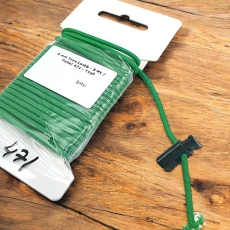
Color of Nature: Green Round Elastic
Ideal for those looking for an energetic and natural look, this vibrant Green tone adds freshness to your projects. It can be used in many areas from sportswear to garden accessories, school projects to costume designs. It is very practical to use thanks to it..
2.82 USD 3.92 USD
Ex Tax:2.56 USD
On sale
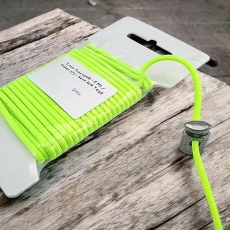
Add Flexibility and Color to Your Projects: Neon Light Green Round Elastic
Round elastics, an indispensable part of textile and hobby projects, now complement your designs in the most vibrant shade of Neon Light Green. Thanks to its standard 3mm thickness, it can be used in many areas, from hoodi..
2.82 USD 3.92 USD
Ex Tax:2.56 USD
On sale
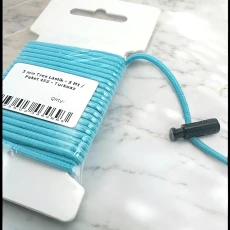
Add Flexibility and Color to Your Projects: Turquoise Round Elastic
Round elastics, an indispensable part of textile and hobby projects, now complement your designs in the most vibrant shade of turquoise. Thanks to its standard 3mm thickness, it can be used in many areas, from hoodies and bracele..
2.82 USD 3.92 USD
Ex Tax:2.56 USD
On sale
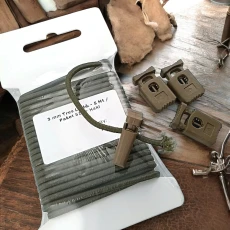
Add Flexibility and Color to Your Projects: Khaki Round Elastic
Round elastics, an indispensable part of textile and hobby projects, now complement your designs in the most vibrant khaki shade. Thanks to its standard 3mm thickness, it can be used in many areas, from hoodies and bracelets to mask ..
2.82 USD 3.92 USD
Ex Tax:2.56 USD